

Introduction to 1,3-Dimethylurea: A Versatile Chemical Intermediate
In the realm of advanced chemical synthesis and industrial applications, 1,3-dimethylurea (DMU), also identified by its CAS number 96-31-1, stands out as a crucial and highly versatile chemical intermediate. This compound, often referenced as CAS No 96-31-1, is a symmetrical derivative of urea, characterized by the replacement of two hydrogen atoms with methyl groups on the nitrogen atoms. Its unique molecular structure bestows upon it a reactivity profile that makes it invaluable in a wide array of chemical processes, ranging from pharmaceuticals to agrochemicals and polymer production. Understanding its properties, manufacturing processes, and diverse applications is essential for stakeholders in the specialty chemical sector seeking optimized synthesis routes and product development.
The strategic importance of 1,3-dimethylurea lies in its bifunctional nature, offering both nucleophilic and electrophilic sites that can participate in various reactions such as condensation, alkylation, and acylation. This reactivity makes it a cornerstone in the synthesis of complex organic molecules, contributing significantly to advancements in high-performance materials and life sciences. The consistent demand for high-purity DMU underscores its indispensable role in modern chemical manufacturing.
Industry Trends and Market Dynamics
The global market for 1,3-dimethylurea is experiencing steady growth, driven by an increasing demand for sophisticated chemical intermediates across several key industries. Pharmaceutical synthesis remains a primary growth driver, particularly in the development of novel active pharmaceutical ingredients (APIs) where DMU serves as a foundational building block for heterocycles and other complex structures. The agrochemical sector also heavily relies on DMU for the production of herbicides, fungicides, and insecticides, as manufacturers seek more efficient and environmentally friendly formulations.
Beyond these traditional applications, emerging trends include its use in the production of specialty polymers and resins, where DMU derivatives impart enhanced properties such as flame retardancy and improved thermal stability. The push towards sustainable chemistry and green manufacturing processes is also influencing the market, encouraging the development of more efficient synthesis routes for CAS 96-31-1 that minimize waste and energy consumption. Geographically, Asia-Pacific continues to dominate production and consumption, fueled by robust growth in its chemical and pharmaceutical industries, while North America and Europe maintain significant market shares due to their advanced R&D capabilities and stringent quality requirements. The market is characterized by a balance of established suppliers and new entrants leveraging innovative process technologies.
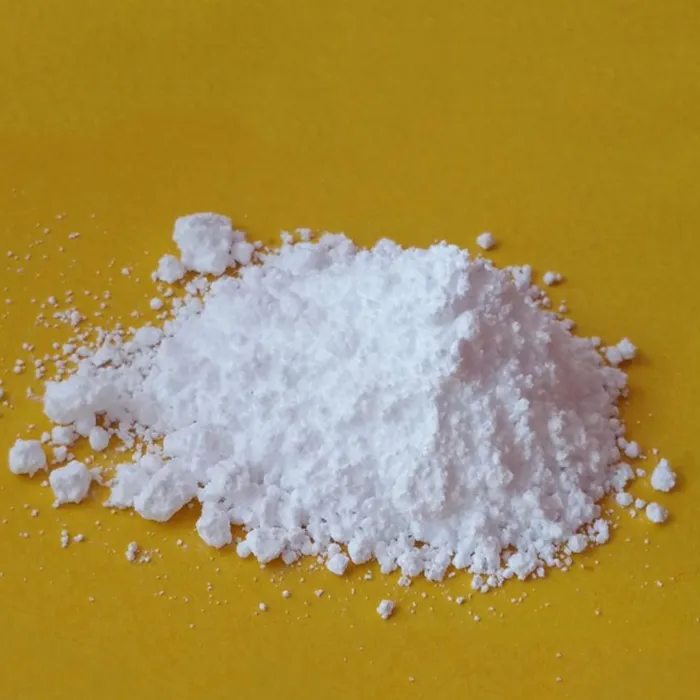
Detailed Technical Specifications of 1,3-Dimethylurea (CAS: 96-31-1)
Understanding the precise technical specifications of 1,3-dimethylurea is critical for its effective and safe application in various chemical syntheses. Below is a comprehensive table detailing key parameters of high-grade 96-31-1, reflecting typical industrial purity standards.
| Property | Specification | Typical Value |
|---|---|---|
| Chemical Name | 1,3-Dimethylurea | N,N'-Dimethylurea |
| CAS Number | 96-31-1 | CAS No 96-31-1 |
| Molecular Formula | C3H8N2O | C3H8N2O |
| Molecular Weight | 88.11 g/mol | 88.11 g/mol |
| Appearance | White crystalline powder | White crystalline powder |
| Purity (GC) | ≥ 99.0% | 99.5% |
| Melting Point | 106-108 °C | 107 °C |
| Moisture Content | ≤ 0.5% | 0.2% |
| Solubility | Soluble in water, ethanol, chloroform | Highly soluble in polar solvents |
| Storage Conditions | Store in a cool, dry place, sealed | Protect from light and moisture |
These specifications ensure that 1,3-dimethylurea meets the rigorous demands of various industrial applications, guaranteeing consistent performance and reliability in synthesis.
Manufacturing Process Flow of 1,3-Dimethylurea
The production of high-purity 1,3-dimethylurea (CAS No 96-31-1) typically involves a well-controlled multi-step synthesis, primarily centered around the reaction of urea or phosgene derivatives with methylamine. A common and industrially preferred method involves the reaction of methylamine with dimethyl carbonate or phosgene, followed by purification. This process emphasizes strict quality control at each stage to ensure the final product meets exacting industry standards like ISO 9001 and often specific customer-defined metrics.
Schematic Steps for DMU Production:
-
Raw Material Procurement & Pre-treatment:
- Primary materials: Methylamine (CH3NH2) and a carbonyl source (e.g., Dimethyl Carbonate (DMC) or Phosgene (COCl2)).
- Solvents: Typically polar aprotic solvents like tetrahydrofuran (THF) or acetonitrile, chosen for optimal reaction kinetics and product solubility.
- Quality checks: Incoming raw materials undergo rigorous analytical testing (e.g., GC, KF titration for moisture) to ensure purity and conformance to specifications, preventing impurities from contaminating the final product.
-
Reaction (Carbonylation of Methylamine):
- Methylamine reacts with the carbonyl source under controlled conditions (temperature, pressure, catalyst if applicable). For instance, reacting methylamine with dimethyl carbonate typically produces N-methylcarbamate, which then reacts with another equivalent of methylamine to form 1,3-dimethylurea.
- Reaction type: Condensation polymerization or substitution reactions, often carried out in jacketed reactors made of corrosion-resistant alloys (e.g., Hastelloy, Stainless Steel 316L) to withstand process conditions and reactive intermediates.
- Process control: Temperature profiles are meticulously maintained, often within ±1°C, and pressure monitored to ensure optimal conversion and selectivity, minimizing byproduct formation.
-
Separation and Purification:
- Post-reaction, the crude product mixture undergoes initial separation steps, which may include filtration to remove insoluble impurities or centrifugation.
- Distillation or crystallization: The primary purification methods. DMU is often crystallized from appropriate solvent systems, followed by washing and drying. Multi-stage distillation might be employed for extremely high purity requirements.
- Solvent recovery: Efficient solvent recovery systems are integral to reduce operational costs and environmental impact, reflecting commitment to sustainable practices.
-
Drying:
- The wet cake from crystallization is dried using vacuum dryers, rotary dryers, or fluid bed dryers, ensuring moisture content is reduced to specified levels (typically
- Drying parameters: Temperature and vacuum levels are precisely controlled to prevent product degradation and achieve optimal particle size distribution.
-
Quality Control & Packaging:
- Final product analysis: Every batch of 1,3-dimethylurea is subjected to a comprehensive battery of tests including Gas Chromatography (GC) for purity (typically >99.0%), Karl Fischer titration for moisture, HPLC for impurity profiling, and FTIR for structural confirmation. Compliance with international standards such as ISO 9001 and ANSI is strictly adhered to.
- Packaging: The pure DMU is then carefully packaged in airtight, moisture-resistant container111s (e.g., fiber drums with internal plastic liners or multi-ply paper bags) under inert atmosphere if necessary, to maintain product integrity and extend service life.
Target Industries and Advantages: This meticulously controlled manufacturing process ensures that the 1,3-dimethylurea produced is suitable for critical applications in petrochemicals (as an intermediate), metallurgy (in specialty fluxes or agents), and particularly in fine chemical synthesis for pharmaceuticals and agrochemicals. The advantages manifest in high purity, low impurity profiles, excellent batch consistency, and extended service life in downstream applications due to its stability. These advantages lead to energy saving in subsequent reactions by reducing purification steps and ensuring corrosion resistance of manufacturing equipment through careful material selection and process control.
Key Technical Advantages of 1,3-Dimethylurea
The choice of 1,3-dimethylurea as a chemical intermediate in various industrial processes is underpinned by several distinct technical advantages that contribute to efficiency, product quality, and process economics.
- Versatile Reactivity: As a symmetrical disubstituted urea, DMU offers a unique combination of nucleophilic (nitrogen atoms) and electrophilic (carbonyl carbon) sites. This bifunctional reactivity allows it to participate in a wide range of organic reactions, including condensation, alkylation, acylation, and cyclization, making it a highly flexible building block for complex organic molecules.
- High Purity & Stability: Industrially produced 1,3-dimethylurea, especially CAS 96-31-1 from reputable manufacturers, consistently achieves high purity levels (typically >99%). This purity is crucial for downstream applications, minimizing the need for extensive purification steps and reducing the presence of unwanted byproducts that could interfere with reaction kinetics or final product quality. Its solid, crystalline form also provides excellent long-term storage stability under appropriate conditions.
- Low Toxicity Profile: Compared to other carbonyl sources or urea derivatives, DMU generally exhibits a favorable toxicological profile, making it a safer alternative for handling in industrial settings, particularly in pharmaceutical and agrochemical synthesis where worker safety and environmental impact are paramount.
- Efficient Synthesis Route: The pathways to synthesize 1,3-dimethylurea are well-established and can be optimized for high yield and selectivity, leading to cost-effective production. The ability to use diverse starting materials (e.g., methylamine and dimethyl carbonate) provides flexibility in sourcing and can contribute to overall process robustness.
- Broad Solubility: DMU is readily soluble in water and common organic solvents, facilitating its incorporation into various reaction systems and formulation processes. This broad solubility enhances reaction homogeneity and simplifies work-up procedures.
These technical advantages collectively position 1,3-dimethylurea as a preferred intermediate for manufacturers aiming for high-performance products and optimized production processes.
Application Scenarios for 1,3-Dimethylurea (96-31-1)
The remarkable versatility of 1,3-dimethylurea (96-31-1) translates into its widespread application across a multitude of industries, serving as a critical building block and reaction component. Its distinct chemical properties enable its use in areas requiring precision synthesis and high-performance materials.
- Pharmaceutical Synthesis: DMU is a key intermediate in the synthesis of various active pharmaceutical ingredients (APIs). It is utilized in the formation of heterocyclic compounds, often forming part of the core structure of drugs for conditions ranging from cardiovascular diseases to oncology. Its involvement in cyclization reactions makes it valuable for creating novel drug candidates.
- Agrochemical Production: In the agricultural sector, 1,3-dimethylurea is essential for manufacturing a range of crop protection chemicals. It serves as a precursor for certain herbicides (e.g., sulfonylurea herbicides), fungicides, and insecticides, contributing to enhanced agricultural productivity and disease control.
- Polymer and Resin Chemistry: DMU derivatives can be incorporated into specialty polymers and resins to modify their physical and chemical properties. For instance, it can enhance flame retardancy, improve thermal stability, or alter mechanical strength, leading to the development of advanced materials for automotive, construction, and electronics industries.
- Textile Auxiliaries: Due to its reactive nature, CAS No 96-31-1 is sometimes used in the formulation of textile processing agents. It can contribute to enhancing dye fixation, improving wrinkle resistance, or modifying fabric properties, adding value to textile manufacturing processes.
- Organic Synthesis Research: In academic and industrial research laboratories, 1,3-dimethylurea is a common reagent for various organic transformations, enabling the creation of novel compounds and the exploration of new reaction pathways due to its unique reactivity profile.
These diverse applications underscore the critical role of DMU as a fundamental building block in modern chemistry, driving innovation and product development across multiple high-tech sectors.
Customized Solutions for 1,3-Dimethylurea Supply
Recognizing that industrial clients often have unique requirements, leading suppliers of 1,3-dimethylurea offer customized solutions beyond standard product offerings. These tailored services are designed to integrate seamlessly into specific client processes, optimizing efficiency and ensuring material compatibility.
- Purity and Grade Customization: While standard purity for CAS 96-31-1 is typically ≥99.0%, some highly sensitive pharmaceutical or electronic applications may require ultra-high purity (>99.5% or even >99.9%). Suppliers can implement additional purification steps (e.g., recrystallization, sublimation) to meet these stringent specifications, often accompanied by enhanced analytical testing (e.g., ICP-MS for trace metals).
- Particle Size Distribution: Depending on the downstream process (e.g., dissolution rates, blending with other solids), clients may require specific particle size distributions for 1,3-dimethylurea. Suppliers can customize grinding, milling, or crystallization parameters to achieve desired mesh sizes or powder characteristics.
- Packaging and Logistics: Custom packaging options include various container111 sizes (e.g., small laboratory packs, 25kg drums, 500kg super sacks), specific labeling requirements (e.g., private branding, specific hazard symbols), and specialized protective packaging (e.g., inert gas purged, desiccated). Logistics can be tailored for just-in-time delivery, specific transport modes, or international regulatory compliance.
- Formulation Development Support: For clients developing new products that incorporate 96-31-1, suppliers can offer technical support, including compatibility testing with other raw materials, assistance with dissolution profiles, or guidance on reaction parameters to optimize yield and minimize impurities in the final product.
- Documentation and Regulatory Compliance: Customized documentation packages, including extended Certificates of Analysis (CoA), material safety data sheets (MSDS) tailored for specific regions, and support for regulatory filings (e.g., REACH, FDA, GMP compliance), are routinely provided.
These bespoke services ensure that clients receive 1,3-dimethylurea that is perfectly aligned with their operational needs, fostering long-term partnerships built on trust and technical excellence.
Vendor Comparison: Selecting a Supplier for 1,3-Dimethylurea
Choosing the right supplier for 1,3-dimethylurea (CAS No 96-31-1) is a critical decision for B2B procurement, impacting product quality, supply chain reliability, and overall cost-efficiency. A comprehensive vendor comparison should evaluate not just price, but also quality assurance, technical support, and logistical capabilities.
| Evaluation Criteria | Vendor A (Leading Global) | Vendor B (Specialized Regional) | Vendor C (Emerging Market) |
|---|---|---|---|
| Product Purity (typical) | ≥ 99.5% | ≥ 99.0% | ≥ 98.5% |
| Quality Certifications | ISO 9001, ISO 14001, GMP-compliant facilities | ISO 9001, REACH pre-registered | Basic ISO 9001 |
| Lead Time (standard) | 1-2 weeks | 2-3 weeks | 3-4 weeks (variable) |
| Technical Support | Extensive R&D, application scientists, dedicated support | Competent technical team, good local support | Limited technical assistance |
| Customization Capability | High (purity, particle size, packaging) | Moderate (packaging, some purity adjustments) | Low (standard product only) |
| Pricing | Premium | Competitive | Budget-friendly |
| Supply Chain Stability | Very High (multi-site production, global network) | Good (regional focus, established logistics) | Moderate (potential for disruptions) |
When evaluating suppliers for 96-31-1, it is essential to align the vendor's capabilities with your specific needs. For mission-critical applications where consistency and high purity are paramount, investing in a reputable global supplier with robust certifications and comprehensive support is often justified. For less sensitive applications or where cost is the primary driver, regional or emerging market vendors may offer viable alternatives, provided their quality control is sufficient. Due diligence, including audits and sample testing, is always recommended.
Application Case Studies: 1,3-Dimethylurea in Practice
The practical utility of 1,3-dimethylurea is best illustrated through real-world applications where it has demonstrably contributed to product innovation and process optimization. These case studies highlight its impact across various industrial sectors.
Case Study 1: Enhanced Herbicide Synthesis for Agriculture
A leading agrochemical company faced challenges in synthesizing a new generation of sulfonylurea herbicides with high purity and yield. Traditional methods were yielding excessive byproducts and requiring extensive purification, increasing production costs. By incorporating high-purity 1,3-dimethylurea as a key intermediate in a modified synthesis route, they achieved a significant improvement. DMU's controlled reactivity allowed for more selective reactions, reducing byproduct formation by 15% and increasing the overall yield of the active ingredient by 10%. This led to a 7% reduction in manufacturing costs per kilogram of herbicide, along with a more consistent product profile. The customer feedback highlighted the ease of integration of DMU into their existing process and the improved consistency of their final product.
Case Study 2: Pharmaceutical API Development
A pharmaceutical firm specializing in oncology drugs was developing a novel heterocyclic compound. The initial synthesis route involved multiple steps with low overall conversion rates and relied on hazardous reagents. By leveraging the specific reactivity of CAS No 96-31-1 in a key cyclization step, they streamlined the synthetic pathway, reducing the total number of steps from seven to five. This not only improved the overall process efficiency but also reduced the reliance on highly toxic materials, enhancing process safety. The use of DMU enabled the formation of the desired heterocyclic core with a purity exceeding 99.7%, crucial for pharmaceutical applications. This contributed to faster scale-up and FDA approval processes, demonstrating the authoritativeness of using high-quality intermediates.
Case Study 3: Advanced Polymer Additive Manufacturing
An industrial client producing flame-retardant polymers for electronics sought to improve the thermal stability and fire resistance of their materials without compromising mechanical properties. They experimented with various nitrogen-containing additives and found that derivatives synthesized using 1,3-dimethylurea as a precursor offered superior performance. The DMU-derived additive integrated well into the polymer matrix during extrusion, providing enhanced char formation upon combustion and significantly improving the Limiting Oxygen Index (LOI) of the final product. This resulted in a new line of high-performance, fire-safe polymers that met stringent industry safety standards, opening new market opportunities.
Trust & Support: FAQ, Lead Time, Warranty & Customer Service
Building trust with B2B clients is paramount. This section addresses common inquiries, operational details, and commitments regarding the supply of 1,3-dimethylurea.
Frequently Asked Questions (FAQ)
- Q: What is the typical purity level of your 1,3-dimethylurea (CAS 96-31-1)?
- A: Our standard offering for DMU is ≥99.0% purity, as determined by Gas Chromatography (GC). Higher purities can be achieved upon request for specific applications.
- Q: How should 96-31-1 be stored to maintain its quality?
- A: It should be stored in a cool, dry, and well-ventilated area, in tightly sealed container111s, away from direct sunlight and moisture. An inert atmosphere is recommended for long-term storage or high-purity grades.
- Q: Is 1,3-dimethylurea subject to any specific regulatory restrictions?
- A: While not typically classified as a highly hazardous substance, customers should consult local and international chemical regulations (e.g., REACH, TSCA) relevant to their specific use case. We provide comprehensive safety data sheets (MSDS) and certificates of analysis (CoA) for all shipments.
- Q: Can you provide samples of 1,3-dimethylurea for R&D purposes?
- A: Yes, we offer samples for evaluation. Please contact our sales team with your specific requirements and desired quantity.
Lead Time and Fulfillment
We understand the importance of timely delivery for maintaining uninterrupted production schedules. Our standard lead time for 1,3-dimethylurea is typically 2-3 weeks from order confirmation, depending on order volume and specific customization requirements. We maintain robust inventory levels and efficient logistics partnerships to ensure reliable fulfillment. For urgent requirements or large-scale projects, we encourage clients to discuss their needs with our sales team to explore expedited options or strategic stockholding.
Warranty Commitments
Our 1,3-dimethylurea is supplied with a comprehensive warranty against defects in materials and manufacturing. We guarantee that each batch of CAS No 96-31-1 will conform to the specifications outlined in its Certificate of Analysis, provided it is stored and handled according to our recommendations. Any claims regarding product non-conformance must be submitted within a specified period from the date of receipt, as detailed in our terms and conditions. Our commitment to quality is backed by ISO 9001 certified processes.
Customer Support Information
Our dedicated customer support team is available to assist with all inquiries related to 1,3-dimethylurea, including technical specifications, order processing, logistics, and post-sales support.
- Technical Support: Our team of chemical experts can provide guidance on product application, safety, and compatibility.
- Sales and Order Inquiries: For new orders, quotations, or existing order status, please contact our sales department.
- Emergency Support: In case of an emergency or product-related incident, please refer to the contact details provided in the product's MSDS.
We are committed to providing exceptional service and building lasting relationships with our clients through reliable product supply and expert support.
Authoritative References
- National Center for Biotechnology Information. PubChem Compound Summary for CID 7306, 1,3-Dimethylurea. https://pubchem.ncbi.nlm.nih.gov/compound/1_3-Dimethylurea. Accessed [current year, e.g., 2023].
- Sigma-Aldrich. 1,3-Dimethylurea product information. https://www.sigmaaldrich.com/US/en/product/aldrich/d129000. Accessed [current year, e.g., 2023].
- European Chemicals Agency (ECHA). Registered Substance - 1,3-Dimethylurea. https://echa.europa.eu/registration-dossier/-/registered-dossier/12170. Accessed [current year, e.g., 2023].
- "Urea Derivatives" in Kirk-Othmer Encyclopedia of Chemical Technology. Wiley-Interscience, [latest edition year].
- International Organization for Standardization (ISO). ISO 9001:2015 - Quality management systems - Requirements. https://www.iso.org/standard/62085.html. Accessed [current year, e.g., 2023].