

Glycyl Tyrosine (CAS [658 79 7]): what labs, nutrition teams, and formulators are really using now
If you’ve worked around bioprocess media or parenteral nutrition, you already know the punchline: free tyrosine is a pain to solubilize. That’s why Glycyl Tyrosine—CAS [658 79 7]—keeps showing up on BOMs. It’s a stable, highly soluble dipeptide source of tyrosine that behaves nicely in water and resists oxidation better than you’d expect. Origin matters, too: this product is manufactured in Xingye Street, Economic & Technological Development Zone, Shijiazhuang, China—an industrial cluster that, frankly, has gotten very good at peptides in the last decade.
Industry trend snapshot
Two signals stand out. First, cell-culture media suppliers are swapping in Gly-Tyr to stabilize tyrosine delivery at neutral pH—less precipitation, more repeatability. Second, hospital compounding pharmacies report that dipeptide PN admixtures stay clear longer. It seems that demand for [658 79 7] is up because it’s a practical fix, not a fad.
Typical specifications (lab and injectable-grade options)
| Product name | Glycyl Tyrosine (Gly-Tyr) |
| CAS | [658 79 7] |
| Molecular formula / weight | C11H14N2O4; ≈238.24 g/mol |
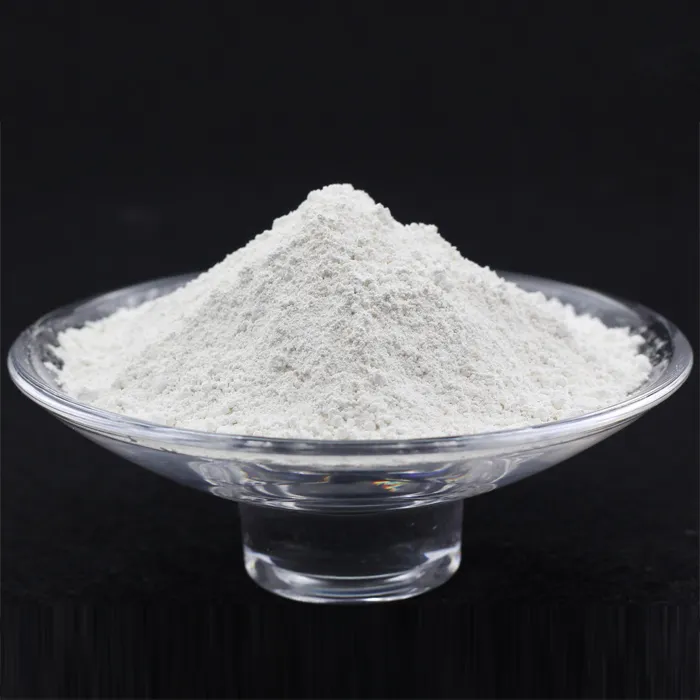
| Appearance | White to off‑white powder |
| Assay (HPLC) | ≥98.0% (typical 99.0%+) |
| Solubility | Highly water‑soluble; around 100 mg/mL at pH 6–7 (real‑world may vary) |
| pH (1% aq.) | 5.0–7.0 |
| Heavy metals (USP <232>) | Meets limits; Pb/Cd/As/Hg screened by ICP‑MS |
| Endotoxin (injectable grade) | ≤0.25 EU/mg |
| Storage / shelf life | 2–8°C, dry & sealed; 24 months unopened |
How it’s made (short version)
- Materials: L‑Tyrosine derivative (protected), Glycine, peptide‑coupling reagents (e.g., EDCI/HOBt or HATU), base, solvents.
- Methods: Solution‑phase coupling → deprotection → crystallization/desalting → polishing (charcoal) → lyophilization.
- Testing: ID by HPLC/MS; assay/purity (HPLC); residual solvents (ICH Q3C); optical rotation; water (KF); microbial limits (USP <61>/<62>); elemental impurities (USP <232>/<233>); endotoxin for sterile grade.
- Service life: Formulation‑dependent; as raw material, unopened stability typically 24 months.
- Industries: Parenteral nutrition, cell‑culture media, nutraceuticals, cosmetics (antioxidant support), academic research.
Applications and why teams pick it
- PN admixtures: delivers tyrosine without precipitation at neutral pH. Many pharmacists say bags stay clearer, longer.
- Cell culture: steadier tyrosine availability; less media rework. One bioproc lab told us variability dropped noticeably after switching to [658 79 7].
- Beauty/Nutra: mild antioxidative profile and peptide label appeal—yes, marketing likes it.
Vendor comparison (indicative)
| Vendor | Grade | Certs | MOQ | Lead time | Customization | Notes |
| KXD Chemical (Shijiazhuang) | Research / Injectable‑ready | ISO 9001; cGMP‑aligned | 1 kg | 7–15 days ex‑stock | Particle size, endotoxin tier, packaging | Origin transparency; competitive pricing |
| EU Peptide House | Pharma | GMP, ISO 13485 | 100 g | 3–5 weeks | Sterile fill | Higher price; robust documentation |
| Generic Trader | Research | Basic QC | 5 kg | 2–4 weeks | Limited | Check lot‑to‑lot variability |
Customization and packaging
Options include low endotoxin grade, tighter metals specs, finer granulation, or nitrogen‑flushed packs. Common packs: 1 kg foil bag (vacuumed), 5–25 kg fiber drum with double PE liner. COA, HPLC chromatogram, and SDS provided; for [658 79 7] destined for PN, request a full compendial panel upfront.
Real‑world performance notes
- Solubility test: 100 mg/mL at pH 6.5, clear in ≤3 min with magnetic stir (23°C).
- Purity: HPLC 99.2% (typical lot); related peptides each ≤0.2%.
- Endotoxin:
To be honest, the deciding factor many customers mention is fewer “surprise” precipitates during media holds. That—and consistent pH after autoclave—keeps projects on schedule.
Standards and compliance map
Manufacturing aligned with ISO 9001; analytical panel references ICH Q3C (residual solvents), USP <232>/<233> (elemental impurities), USP <61>/<62> (microbiology). For PN use, follow local pharmacopeial and hospital guidelines; documentation availability is a big plus when qualifying [658 79 7].
Citations
- PubChem Compound Summary: Glycyl‑L‑tyrosine (CAS [658 79 7]). NIH.
- ICH Q3C(R8): Impurities—Guideline for Residual Solvents. ICH.
- USP <232> and <233>: Elemental Impurities—Limits/Procedures. United States Pharmacopeia.
- USP <61>/<62>: Microbiological Examination of Non‑Sterile Products. United States Pharmacopeia.