

Introduction to D,L-α-Hydroxymethionine Calcium
In the highly competitive and evolving animal nutrition industry, the demand for superior methionine sources that enhance animal performance, reduce environmental impact, and ensure feed safety is paramount. Among the various forms, 4857 44 7, also known as D,L-α-Hydroxymethionine Calcium, stands out as a highly effective and innovative solution. This calcium salt of α-hydroxymethionine is a metabolically active form of methionine, an essential amino acid crucial for protein synthesis, immune function, and various metabolic pathways in livestock and aquaculture. Its unique chemical structure and physiological benefits position it as a preferred choice for feed manufacturers aiming to optimize animal growth and health. This article delves into its technical specifications, manufacturing processes, application advantages, and market dynamics, offering a comprehensive overview for B2B stakeholders.
Industry Trends and Market Dynamics
The global methionine market is experiencing significant growth, driven by increasing meat and aquaculture consumption, particularly in developing economies. Key trends influencing the demand for D,L-α-Hydroxymethionine Calcium include:
- Sustainability Focus: Growing pressure to reduce the environmental footprint of livestock production drives the adoption of feed additives that improve nutrient utilization and reduce nitrogen excretion. 4857 44 7 contributes by enhancing feed conversion efficiency.
- Performance Optimization: Advanced animal nutrition strategies focus on precision feeding to maximize growth rates, feed efficiency, and product quality (e.g., meat, eggs, milk). D,L-α-Hydroxymethionine Calcium's high bioavailability makes it ideal for these strategies.
- Disease Prevention: With the global push to reduce antibiotic use in animal agriculture, feed additives that bolster animal immunity and health are gaining prominence. Methionine plays a vital role in immune function, making D,L-α-Hydroxymethionine Calcium a critical component.
- Regulatory Landscape: Stricter regulations on feed safety and quality, along with increasing scrutiny on the efficacy of feed ingredients, favor well-researched and certified products like D,L-α-Hydroxymethionine Calcium.
The shift towards more sustainable and efficient production methods ensures a robust and expanding market for advanced methionine sources.
Manufacturing Process of D,L-α-Hydroxymethionine Calcium
The production of 4857 44 7 involves a sophisticated multi-step chemical synthesis designed to yield a high-purity, stable, and bioavailable product. The general process flow emphasizes precision and adherence to stringent quality control standards.
Process Flow Schematic:
Step 1: Raw Material Sourcing
High-grade methionine precursor (e.g., methional or α-hydroxy-γ-methylthiobutyric acid) and calcium source (e.g., calcium carbonate or calcium hydroxide) are carefully selected and tested for purity (ISO 9001 compliance).
Step 2: Reaction and Synthesis
Controlled reaction of the methionine precursor with the calcium source under specific temperature and pH conditions to form D,L-α-Hydroxymethionine Calcium. This often involves aqueous solution chemistry.
Step 3: Purification and Filtration
Removal of impurities, unreacted raw materials, and by-products through filtration, crystallization, and washing steps. This ensures high purity and reduces potential contaminants.
Step 4: Drying and Granulation
The purified product is dried using advanced techniques (e.g., spray drying or fluid bed drying) to achieve desired moisture content, followed by granulation to ensure optimal particle size and flowability for feed applications.
Step 5: Quality Control & Packaging
Comprehensive testing (e.g., HPLC for purity, atomic absorption for calcium, Karl Fischer for moisture) according to ISO and ANSI standards. Packaged in moisture-resistant bags (e.g., 25kg PP woven bags) for long shelf life and stability.
Throughout this process, stringent quality control measures are implemented at each stage, ensuring that the final product meets the highest standards of purity, efficacy, and safety. Typical service life for D,L-α-Hydroxymethionine Calcium under recommended storage conditions is 24-36 months. While the process itself doesn't involve "casting" or "forging," modern chemical engineering techniques focus on energy efficiency and waste reduction, contributing to an environmentally responsible manufacturing footprint. The controlled conditions ensure minimal corrosion of processing equipment, guaranteeing product integrity.
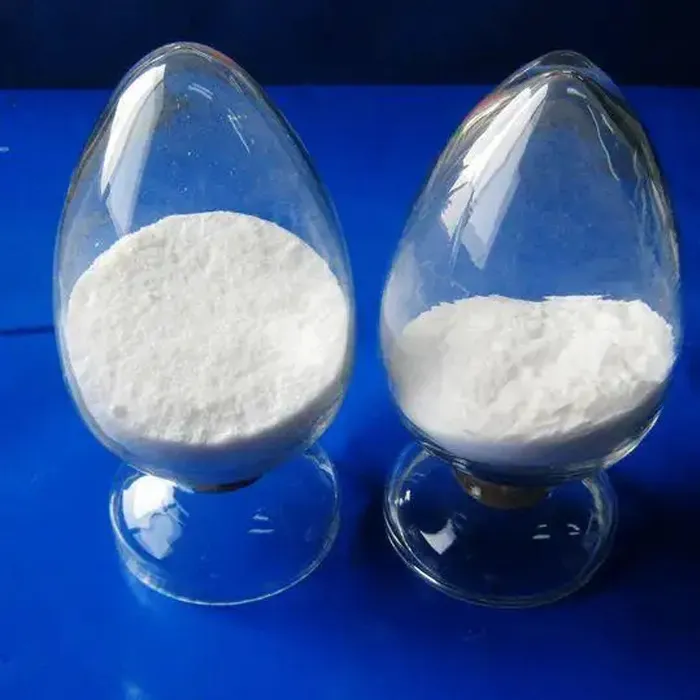
Figure 1: Typical appearance of D,L-α-Hydroxymethionine Calcium powder.
Technical Specifications and Parameters
Understanding the precise technical parameters of D,L-α-Hydroxymethionine Calcium is crucial for feed formulators and quality assurance professionals. The product is typically supplied as a white to off-white crystalline powder, characterized by excellent flowability and stability.
Product Specification Table: D,L-α-Hydroxymethionine Calcium
| Parameter | Specification | Testing Method |
|---|---|---|
| Chemical Name | D,L-α-Hydroxymethionine Calcium | N/A |
| CAS Number | 4857 44 7 | N/A |
| Purity (on dry basis) | ≥ 84% | HPLC |
| Calcium Content | ≥ 14% | AAS (Atomic Absorption Spectroscopy) |
| Methionine Equivalent | ≥ 72% | Calculation based on purity |
| Moisture Content | ≤ 5.0% | Karl Fischer Titration |
| Appearance | White to off-white crystalline powder | Visual Inspection |
| Particle Size (e.g., 95% pass 40 mesh) | Customizable, typically >95% pass 40 mesh | Sieve Analysis |
| pH (10% solution) | 6.0 - 8.0 | pH Meter |
| Heavy Metals (Pb, As, Cd, Hg) | ≤ ppm limits (e.g., Pb ≤ 2 ppm) | ICP-MS/AAS |
These specifications highlight the product's high quality and suitability for various animal feed applications, adhering to international standards like those set by FDA (for feed ingredients) and ISO for manufacturing processes.
Application Scenarios and Target Industries
D,L-α-Hydroxymethionine Calcium is a versatile feed additive with broad applications across various segments of the animal agriculture industry. Its role extends beyond merely supplying methionine, encompassing improved animal health, productivity, and sustainability.
- Poultry Industry (Broilers, Layers): Essential for feather development, optimal growth rates, and egg production. It significantly improves feed conversion ratio (FCR), leading to lower production costs and enhanced profitability. In broilers, it supports rapid muscle deposition, while in layers, it contributes to egg mass and shell quality.
- Swine Industry (Piglets, Growers, Sows): Crucial for skeletal development, lean meat deposition, and reproductive performance in sows. Supplementation with 4857 44 7 helps meet the high methionine requirements during critical growth phases, preventing deficiencies that can lead to reduced weight gain and poor feed efficiency.
- Aquaculture (Fish, Shrimp): Methionine is often a limiting amino acid in aquatic feeds. D,L-α-Hydroxymethionine Calcium ensures balanced nutrition, promoting faster growth, improved flesh quality, and enhanced disease resistance in various aquatic species. Its stability in water is also an advantage.
- Ruminant Nutrition (Dairy, Beef Cattle): Though microbial synthesis provides methionine in ruminants, supplemental protected methionine sources are increasingly used to meet high production demands, especially in high-yielding dairy cows. D,L-α-Hydroxymethionine Calcium, if specifically protected, can bypass rumen degradation to be absorbed in the intestine, boosting milk protein synthesis and improving fertility.
The advantages in these scenarios are tangible: improved feed conversion efficiency translates to energy saving in terms of feed input per unit of output, while its robust chemical structure ensures stability in complex feed matrices, indirectly aiding in the longevity of feed handling systems by not contributing to their corrosion.
Technical Advantages of D,L-α-Hydroxymethionine Calcium
Compared to traditional DL-Methionine or Methionine Hydroxy Analog (MHA-FA), D,L-α-Hydroxymethionine Calcium offers several distinct technical and physiological advantages:
- High Bioavailability: As a calcium salt, it's highly stable and efficiently converted to L-methionine in the animal's body. Studies suggest comparable or superior efficacy to DL-Methionine, particularly in situations of high metabolic demand.
- Improved Stability: Unlike liquid MHA-FA, the solid calcium salt form offers superior handling properties and stability in various feed processing conditions, including pelleting and extrusion, without degradation. This ensures consistent nutrient delivery.
- Reduced Acidity: DL-Methionine and MHA-FA can contribute to feed acidity. As a calcium salt, D,L-α-Hydroxymethionine Calcium has a neutral to slightly alkaline pH, which can be beneficial in maintaining gut health and reducing the need for buffering agents in certain feed formulations.
- Enhanced Calcium Source: Provides a readily available source of calcium, contributing to the overall mineral balance in the diet, which is especially beneficial for bone development and eggshell quality.
- Better Palatability: The absence of strong odors often associated with other methionine sources can lead to improved feed intake, particularly in sensitive animal species or during stress periods.
Comparison with Other Methionine Sources
| Feature | D,L-α-Hydroxymethionine Calcium (4857 44 7) | DL-Methionine (Powder) | MHA-FA (Liquid) |
|---|---|---|---|
| Physical State | Solid (Powder/Granular) | Solid (Crystalline Powder) | Liquid |
| Methionine Activity Equivalent | ~72% | ~99% | ~88% |
| Bioavailability | High, comparable to DL-Met | High (Gold Standard) | Good, variable |
| Feed Stability (Pelleting) | Excellent | Excellent | Moderate (volatility) |
| Effect on Feed pH | Neutral to slightly alkaline | Acidic | Acidic |
| Handling & Storage | Easy, low corrosivity | Easy, low corrosivity | Requires specialized liquid handling, corrosive |
| Additional Benefits | Calcium source | None beyond Met | Organic acid properties |
Vendor Comparison and Customized Solutions
Choosing the right supplier for D,L-α-Hydroxymethionine Calcium involves evaluating not just the product's quality but also the vendor's capabilities in terms of consistency, reliability, and technical support. Leading manufacturers differentiate themselves through:
- Purity and Consistency: Adherence to strict specifications for methionine and calcium content, and minimal impurities, consistently across batches.
- Certifications: Compliance with international standards such as FAMI-QS, ISO 22000, HACCP, and specific regional registrations (e.g., FDA-GRAS status).
- Supply Chain Robustness: Ability to ensure stable supply, competitive pricing, and efficient logistics.
- Technical Support and R&D: Providing expert advice on feed formulation, application best practices, and ongoing research into product optimization.
Customized Solutions
Recognizing that each client's needs can vary, reputable suppliers offer customized solutions for D,L-α-Hydroxymethionine Calcium, including:
- Particle Size Tailoring: Adjusting the granulation to suit specific mixing equipment or feed types (e.g., finer powder for premixes, coarser for complete feeds).
- Packaging Options: Offering various packaging sizes (e.g., 20kg, 25kg bags, bulk bags) and materials to meet handling and storage requirements, optimizing logistics for different operational scales.
- Blend Formulations: Creating customized blends with other amino acids or essential nutrients to provide a holistic solution for specific nutritional challenges or target species.
- Regulatory Documentation: Providing comprehensive documentation to support regulatory approvals in different regions, crucial for international clients.
Figure 2: Quality control ensures optimal particle size and consistency.
Application Case Studies
The practical benefits of D,L-α-Hydroxymethionine Calcium are best illustrated through real-world applications. These case studies highlight the product's impact on animal performance and profitability.
Case Study 1: Broiler Chicken Performance Enhancement
A large-scale broiler farm sought to improve feed conversion ratio (FCR) and live weight gain while reducing the overall cost of methionine supplementation. They replaced a portion of their DL-Methionine with 4857 44 7 in a 42-day feeding trial involving 20,000 birds.
- Result: The group supplemented with D,L-α-Hydroxymethionine Calcium showed a 2.5% improvement in FCR and a 1.8% increase in average daily gain (ADG) compared to the control group. The robust pelleting stability of the product ensured consistent delivery of active ingredient even after rigorous feed processing.
- Benefit: Significant economic savings due to less feed required per kg of live weight, coupled with faster growth cycles.
Case Study 2: Aquaculture Feed Efficiency in Shrimp
An aquaculture producer faced challenges with inconsistent growth rates and susceptibility to disease in their whiteleg shrimp (Litopenaeus vannamei) due to sub-optimal amino acid profiles in their commercial feed. They integrated D,L-α-Hydroxymethionine Calcium into their shrimp feed formulation.
- Result: Over an 8-week grow-out period, shrimp fed the D,L-α-Hydroxymethionine Calcium-supplemented diet exhibited a 15% increase in specific growth rate (SGR) and a 10% reduction in mortality rate compared to the standard diet. Improved protein utilization was confirmed through biochemical analysis.
- Benefit: Higher yield, healthier stock, and reduced losses, significantly boosting farm profitability and sustainability.
Trustworthiness and Support Information
Building long-term partnerships relies on transparency, reliability, and robust support infrastructure. We are committed to providing exceptional service and product assurance.
Frequently Asked Questions (FAQ)
Q: What is the recommended storage condition for D,L-α-Hydroxymethionine Calcium?
A: It should be stored in a cool, dry place, away from direct sunlight and moisture. The original sealed packaging helps maintain stability. Optimal temperature is typically below 25°C.
Q: How does its bioavailability compare to other methionine sources?
A: Research indicates that D,L-α-Hydroxymethionine Calcium has excellent bioavailability, often comparable to or slightly better than DL-Methionine, and generally superior to liquid MHA-FA, especially considering its stability in feed processing.
Q: Is 4857 44 7 safe for all animal species?
A: Yes, it is widely recognized as a safe and effective methionine source for poultry, swine, aquaculture, and ruminants when used according to recommended dosage levels. It adheres to international feed safety standards.
Lead Time and Fulfillment
We maintain robust inventory levels and efficient logistics networks to ensure timely delivery. Standard lead times typically range from 7 to 14 business days for domestic orders and 3-6 weeks for international shipments, depending on destination and customs procedures. Expedited options are available upon request. We partner with established logistics providers to ensure secure and efficient transportation globally.
Warranty Commitments
Our D,L-α-Hydroxymethionine Calcium products are backed by a comprehensive quality warranty. We guarantee that all products meet the published specifications at the time of delivery, provided they are stored and handled according to our recommendations. Any deviation from specified quality parameters will be addressed promptly through our quality assurance process, including replacement or credit.
Customer Support and Technical Assistance
Our dedicated team of animal nutrition experts and technical specialists is available to provide comprehensive pre-sales and after-sales support. This includes:
- Consultation on optimal dosage and application in various feed formulations.
- Troubleshooting and problem-solving related to product usage.
- Regulatory guidance and provision of necessary documentation (e.g., Certificates of Analysis, Safety Data Sheets).
- Ongoing research updates and market insights.
Figure 3: Commitment to quality and customer satisfaction.
Conclusion
D,L-α-Hydroxymethionine Calcium (4857 44 7) represents a significant advancement in animal nutrition, offering a highly efficient, stable, and safe source of essential methionine. Its unique properties, including superior bioavailability, handling advantages, and added calcium benefit, make it an indispensable ingredient for modern feed formulations across poultry, swine, aquaculture, and ruminant sectors. As the animal agriculture industry continues to evolve towards greater sustainability and efficiency, products like D,L-α-Hydroxymethionine Calcium will play a pivotal role in meeting the nutritional demands of livestock, ensuring optimal performance and profitability for producers worldwide.
References
- NRC. (2012). Nutrient Requirements of Swine, Eleventh Revised Edition. Washington, DC: The National Academies Press.
- Sklan, D., et al. (2000). Relative bioavailability of methionine sources in poultry. Poultry Science, 79(7), 1017-1021.
- AOAC International. (2016). Official Methods of Analysis of AOAC International, 20th Edition. Gaithersburg, MD: AOAC International.
- FAMI-QS Code of Practice for Feed Additive and Premixture Operators. (2020). Version 6.0.
- ISO 22000:2018. Food safety management systems — Requirements for any organization in the food chain.
- National Institute of Health (NIH) PubChem Compound Summary for CID 9673895, D,L-alpha-Hydroxymethionine Calcium Salt.