

β-Nicotinamide Mononucleotide (β-NMN), also known as NMN, is a bioactive compound that has garnered significant attention in the fields of biotechnology, anti-aging research, and metabolic health. As a precursor to nicotinamide adenine dinucleotide (NAD+), NMN plays a critical role in cellular energy metabolism and DNA repair. This article provides an in-depth analysis of NMN's properties, applications, and the scientific advancements surrounding its use. The content is structured to highlight its technical specifications, functional advantages, and the credibility of its producer, Shijiazhuang Kunxiangda Technology Co., Ltd..
Product Overview
β-Nicotinamide Mononucleotide (β-NMN) is a nucleotide derived from nicotinamide, a form of vitamin B3. It is a key intermediate in the biosynthesis of NAD+, a coenzyme essential for cellular energy production and metabolic processes. The compound is available as a white to yellowish crystalline powder with no obvious odor, as described in the product specifications.
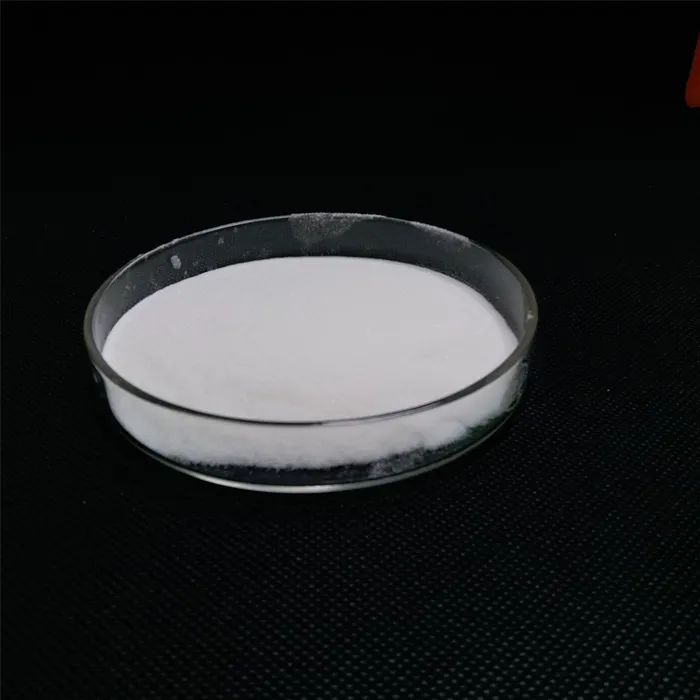
With a molecular formula of C11H15N2O8P and a molecular weight of 334.22 g/mol, β-NMN is a stable compound that can be synthesized through enzymatic or chemical processes. Its CAS number is 1094-61-7, and it is classified under EINECS 214-136-5. The melting point of β-NMN is 166°C (decomposing), making it suitable for storage under controlled conditions.
Key Features and Functional Advantages
β-Nicotinamide Mononucleotide is widely recognized for its role in enhancing cellular energy production and supporting metabolic health. Here are some of its key features:
- Direct NAD+ Precursor: NMN is a direct precursor to NAD+, a critical coenzyme involved in redox reactions and energy metabolism. By supplementing NMN, the body can efficiently generate NAD+, which declines with age.
- Cellular Repair and Anti-Aging Effects: Research suggests that NMN enhances DNA repair mechanisms, potentially reversing age-related cellular damage. This has led to its exploration as a potential anti-aging agent.
- Metabolic Regulation: NMN activates sirtuins, a class of proteins linked to longevity and metabolic regulation. This makes it a promising compound for managing conditions like diabetes and obesity.
- Neuroprotection: Studies in animal models indicate that NMN may improve cognitive function and protect against neurodegenerative diseases by supporting mitochondrial health.
Technical Specifications
| Parameter | Details |
|---|---|
| Chemical Name | β-Nicotinamide Mononucleotide |
| Common Names | BETA-NMN, NMN, Nicotinamide Ribotide |
| CAS Number | 1094-61-7 |
| Molecular Formula | C11H15N2O8P |
| Molecular Weight | 334.22 g/mol |
| EINECS Number | 214-136-5 |
| Melting Point | 166°C (decomposing) |
| Appearance | White to yellowish, crystalline powder |
| Odor | No obvious odor |
Applications in Science and Industry
β-Nicotinamide Mononucleotide has a wide range of applications across multiple industries, including pharmaceuticals, cosmetics, and nutraceuticals. Its primary uses include:
- Anti-Aging Research: NMN is extensively studied for its potential to slow aging and extend lifespan. Clinical trials are ongoing to evaluate its efficacy in humans.
- Metabolic Health: It is used in supplements to support energy metabolism, improve insulin sensitivity, and manage age-related metabolic disorders.
- Neurological Health: Research explores its role in preventing neurodegenerative diseases such as Alzheimer's and Parkinson's by enhancing mitochondrial function.
- Biotechnology: NMN is a key component in the production of NAD+ for laboratory research and therapeutic applications.
Company Background: Shijiazhuang Kunxiangda Technology Co., Ltd.
Shijiazhuang Kunxiangda Technology Co., Ltd. is a leading provider of high-purity chemical compounds, including β-Nicotinamide Mononucleotide. With a focus on quality and innovation, the company has established itself as a trusted supplier in the global market. Their commitment to scientific research and development ensures that their products meet the highest standards of purity and efficacy.
As a reputable manufacturer, Shijiazhuang Kunxiangda Technology Co., Ltd. adheres to rigorous quality control protocols to guarantee the consistency and reliability of their NMN products. Their facilities are equipped with advanced analytical tools to ensure compliance with international standards, making them a preferred partner for researchers and industries worldwide.
Scientific Validation and Regulatory Considerations
The scientific community has extensively studied β-Nicotinamide Mononucleotide, with numerous peer-reviewed studies highlighting its biological significance. According to the National Institute of Standards and Technology (NIST), the accurate measurement and characterization of compounds like NMN are critical for advancing scientific research and ensuring product safety. NIST's role in establishing metrological standards underscores the importance of precise analytical methods in the production and application of NMN.
While NMN is generally considered safe for human consumption, regulatory frameworks vary by region. The U.S. Food and Drug Administration (FDA) and the European Food Safety Authority (EFSA) continue to evaluate its safety and efficacy. Consumers are advised to consult healthcare professionals before using NMN supplements.
Conclusion
β-Nicotinamide Mononucleotide (NMN) represents a groundbreaking advancement in the field of biotechnology and metabolic health. Its ability to enhance NAD+ levels, support cellular repair, and improve metabolic function makes it a valuable compound for research and therapeutic applications. With the expertise of Shijiazhuang Kunxiangda Technology Co., Ltd., NMN continues to drive innovation in science and industry. As research progresses, the potential of NMN to address age-related health challenges remains a promising frontier.
References
National Institute of Standards and Technology (NIST). (2025). Standards for Scientific Measurement. Retrieved from https://www.nist.gov/
For further information on β-Nicotinamide Mononucleotide, visit the product page.