

β-Nicotinamide Mononucleotide (NMN), a derivative of nicotinamide, has emerged as a key molecule in the field of anti-aging research and cellular health. With its chemical formula C11H15N2O8P and CAS number 1094-61-7, NMN plays a critical role in the biosynthesis of nicotinamide adenine dinucleotide (NAD+), a coenzyme essential for energy metabolism and DNA repair. This article delves into the scientific properties, applications, and significance of NMN, while also highlighting the research and development efforts of its manufacturer, Shijiazhuang Kunxiangda Technology Co., Ltd..
Product Overview
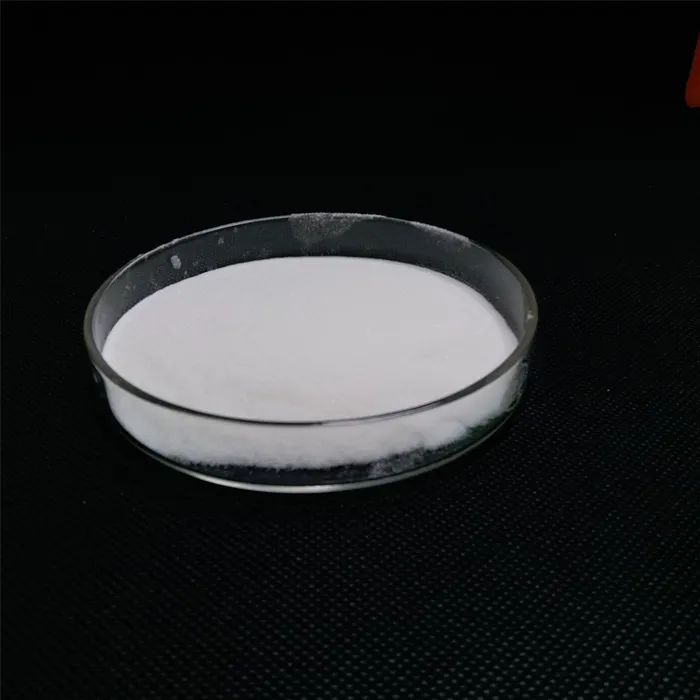
NMN is a white to yellowish crystalline powder with no distinct odor, as described in its product specifications. It is synthesized through enzymatic reactions involving nicotinamide phosphoribosyltransferase (Nampt), which converts nicotinamide into NMN. This intermediate is then converted into NAD+ by nicotinamide mononucleotide adenylyltransferase (NMNAT). The process underscores NMN's role as a direct precursor to NAD+, a molecule vital for cellular energy production and longevity.
Key Technical Specifications
| Parameter | Details |
|---|---|
| Chemical Name | β-Nicotinamide Mononucleotide |
| CAS Number | 1094-61-7 |
| Molecular Formula | C11H15N2O8P |
| Molecular Weight | 334.22 g/mol |
| Melting Point | 166 °C (decomposes) |
| Appearance | White to yellowish crystalline powder |
Scientific Function and Benefits
NMN's primary function is to replenish NAD+ levels in the body, which decline with age. NAD+ is a critical coenzyme involved in redox reactions, DNA repair, and mitochondrial function. Research suggests that NMN supplementation can enhance cellular energy production, improve metabolic health, and delay age-related degeneration. For instance, studies on mice have demonstrated that NMN activates sirtuins, a class of proteins linked to longevity and metabolic regulation [1].
The potential applications of NMN span multiple fields, including:
- Anti-aging Therapies: NMN's role in NAD+ synthesis makes it a promising candidate for combating age-related diseases such as diabetes, neurodegenerative disorders, and cardiovascular conditions.
- Metabolic Health: By improving insulin sensitivity and glucose metabolism, NMN may aid in the management of metabolic syndromes.
- Cellular Repair: NMN enhances DNA repair mechanisms, potentially reducing the risk of cancer and other genetic disorders.
Applications in Research and Industry
NMN is widely used in biomedical research, pharmaceutical development, and nutraceutical formulations. Its ability to cross the blood-brain barrier makes it a valuable tool for studying neurodegenerative diseases like Alzheimer's and Parkinson's. Additionally, NMN is incorporated into dietary supplements, where it is marketed for its potential to boost energy levels, support weight management, and enhance overall vitality.
Industrial applications include its use in cosmetic products and functional foods, where it is touted for its antioxidant properties and skin health benefits. The compound's stability and solubility in aqueous solutions further expand its utility in formulation science.
Company Background: Shijiazhuang Kunxiangda Technology Co., Ltd.
As a leading manufacturer and supplier of chemical compounds, Shijiazhuang Kunxiangda Technology Co., Ltd. specializes in the production of high-purity NMN and related intermediates. The company's commitment to quality is reflected in its adherence to international standards for chemical safety and efficacy. With a focus on innovation, Kunxiangda provides customized solutions for clients in the pharmaceutical, biotechnology, and health industries.
The company's product portfolio includes a range of nicotinamide derivatives, ensuring a comprehensive offering for researchers and manufacturers. Kunxiangda's state-of-the-art facilities and rigorous quality control processes position it as a trusted partner in the global chemical supply chain.
Scientific Validation and Regulatory Considerations
While NMN's therapeutic potential is supported by preclinical studies, its efficacy in humans requires further validation through large-scale clinical trials. Regulatory agencies such as the U.S. Food and Drug Administration (FDA) and the European Medicines Agency (EMA) are actively evaluating NMN's safety profile and potential applications. As of now, NMN is classified as a dietary supplement in many regions, with specific guidelines governing its labeling and marketing.
The importance of standardized measurements in scientific research cannot be overstated. The National Institute of Standards and Technology (NIST) provides critical resources for ensuring accuracy and consistency in chemical analysis. By adhering to NIST's guidelines, manufacturers like Kunxiangda contribute to the reliability of NMN products and the broader scientific community [2].
Conclusion
β-Nicotinamide Mononucleotide (NMN) represents a significant advancement in the field of cellular health and anti-aging research. Its role in NAD+ biosynthesis, coupled with its diverse applications, underscores its importance in both scientific and commercial contexts. As research continues to uncover its mechanisms and benefits, NMN is poised to become a cornerstone of modern medicine and wellness.
For further information on NMN and its applications, visit Shijiazhuang Kunxiangda Technology Co., Ltd. or explore the latest scientific literature on NAD+ metabolism.
References
- National Institute of Standards and Technology (NIST). Retrieved from https://www.nist.gov/measurements
- NIST Guide to the SI. Retrieved from https://www.nist.gov/measurements