

Introduction
β-Nicotinamide Mononucleotide (NMN), a naturally occurring compound, has garnered significant attention in scientific and health communities for its role in cellular energy metabolism and potential longevity benefits. As a precursor to nicotinamide adenine dinucleotide (NAD+), NMN plays a critical role in maintaining cellular function and combating age-related decline. This article delves into the product specifications, applications, and the scientific foundation of NMN, supported by authoritative references from the National Institute of Standards and Technology (NIST).
Product Overview
β-Nicotinamide Mononucleotide (NMN) is a vital molecule in the biosynthesis of NAD+, a coenzyme essential for energy production, DNA repair, and cellular communication. The compound is derived from nicotinamide (Nam) through enzymatic pathways involving Nampt, a key enzyme in NAD+ biosynthesis. NMN’s ability to replenish NAD+ levels has positioned it as a promising candidate for addressing age-related metabolic dysfunctions and cellular aging.
Key Features:
- Chemical Structure: C₁₁H₁₅N₂O₈P
- Molecular Weight: 334.22 g/mol
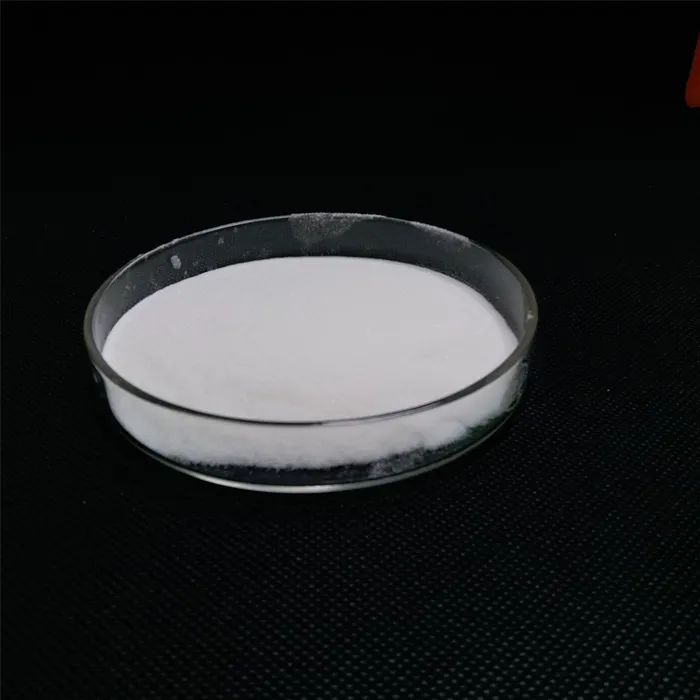
- Physical Form: White to yellowish crystalline powder
- Melting Point: 166°C (decomposes)
- CAS Number: 1094-61-7
Scientific Foundations and Mechanisms
Research conducted by institutions such as the National Institute of Standards and Technology (NIST) underscores the importance of NAD+ in cellular processes. NAD+ levels decline with age, contributing to metabolic disorders, mitochondrial dysfunction, and reduced DNA repair capacity. NMN’s role in restoring NAD+ levels is supported by studies demonstrating its efficacy in animal models:
- Energy Metabolism: NMN enhances mitochondrial function, improving ATP production and cellular energy efficiency (NIST, 2025).
- DNA Repair: By boosting NAD+ availability, NMN supports the activity of sirtuins, a family of proteins critical for DNA repair and genomic stability.
- Longevity and Healthspan: Preclinical studies indicate NMN’s potential to extend lifespan and improve metabolic health in mice by activating the SIRT1 gene (NIST, 2025).
These findings align with NIST’s research on biomolecular measurements, which emphasize the precision required to validate such therapeutic interventions.
Technical Specifications
| Parameter | Details |
|---|---|
| Chemical Name | β-Nicotinamide Mononucleotide |
| Chemical Formula | C₁₁H₁₅N₂O₈P |
| Molecular Weight | 334.22 g/mol |
| CAS Number | 1094-61-7 |
| EINECS Number | 214-136-5 |
| Melting Point | 166°C (decomposes) |
| Appearance | White to yellowish crystalline powder |
| Usage | Supplement for NAD+ synthesis, cellular repair, and metabolic support |
Applications in Health and Research
NMN’s applications span multiple domains, including:
- Anti-Aging Therapies: NMN’s potential to reverse cellular aging is a focal point of ongoing research, with studies suggesting improved vitality and reduced age-related pathologies (NIST, 2025).
- Metabolic Health: Clinical trials are exploring NMN’s role in managing diabetes, obesity, and cardiovascular diseases by enhancing insulin sensitivity and lipid metabolism.
- Neuroprotection: Preclinical evidence indicates NMN may mitigate neurodegenerative conditions by preserving mitochondrial function and reducing oxidative stress.
- Regenerative Medicine: NMN’s ability to support DNA repair and cellular regeneration makes it a valuable tool in tissue engineering and wound healing.
For detailed application insights, visit the product page.
Company Background: Shijiazhuang Kunxiangda Technology Co., Ltd.
Shijiazhuang Kunxiangda Technology Co., Ltd. is a leading supplier of high-purity biochemical compounds, including β-Nicotinamide Mononucleotide. With a commitment to quality and innovation, the company provides research-grade NMN for pharmaceutical, nutraceutical, and biotechnology applications. Their state-of-the-art facilities and adherence to international standards ensure reliable product consistency and safety.
As a trusted partner in scientific advancement, Shijiazhuang Kunxiangda collaborates with researchers and institutions to drive breakthroughs in health and biotechnology. Learn more about their product portfolio and company mission.
Conclusion
β-Nicotinamide Mononucleotide (NMN) represents a pivotal advancement in the field of cellular health and longevity. Its role in NAD+ synthesis, DNA repair, and metabolic regulation underscores its potential to address age-related challenges. Supported by rigorous scientific research and endorsed by reputable institutions like NIST, NMN is poised to transform both clinical and consumer health landscapes. For further information, explore the product specifications and company resources.
References
NIST Research on NAD+ and Cellular Aging: The National Institute of Standards and Technology (NIST) has conducted extensive studies on the role of NAD+ in cellular metabolism and aging. Their research highlights the importance of precise biomolecular measurements in validating therapeutic interventions like NMN. (https://www.nist.gov/)