9:00-17:30 If you have any questions, please feel free to ask us
0%

Table of Contents

Pharma intermediates manufacturers play a critical role in the global pharmaceutical supply chain, acting as the crucial link between basic chemical production and the creation of finished drug products. These manufacturers specialize in synthesizing complex organic molecules, offering pharmaceutical companies a cost-effective and efficient pathway to drug development and production. The demand for high-quality pharma intermediates is consistently rising, driven by factors like an aging global population, increasing prevalence of chronic diseases, and ongoing pharmaceutical innovation, making this a strategically important industry.

The global market for pharma intermediates is experiencing substantial growth, fueled by expanding pharmaceutical manufacturing in emerging economies such as India and China. These regions offer lower production costs and a skilled workforce, attracting significant investment and driving competition. However, this growth is also accompanied by increasing scrutiny regarding quality control, regulatory compliance, and supply chain security, posing challenges for both manufacturers and their clients. Understanding the complexities of this industry is essential for stakeholders across the pharmaceutical landscape.

Investing in robust research and development capabilities, embracing sustainable manufacturing practices, and adhering to stringent quality standards are now essential for success in the pharma intermediates manufacturing sector. Effective collaboration between manufacturers, pharmaceutical companies, and regulatory bodies is vital to ensure the timely and safe delivery of life-saving medications worldwide. pharma intermediates manufacturers are key to this global effort.
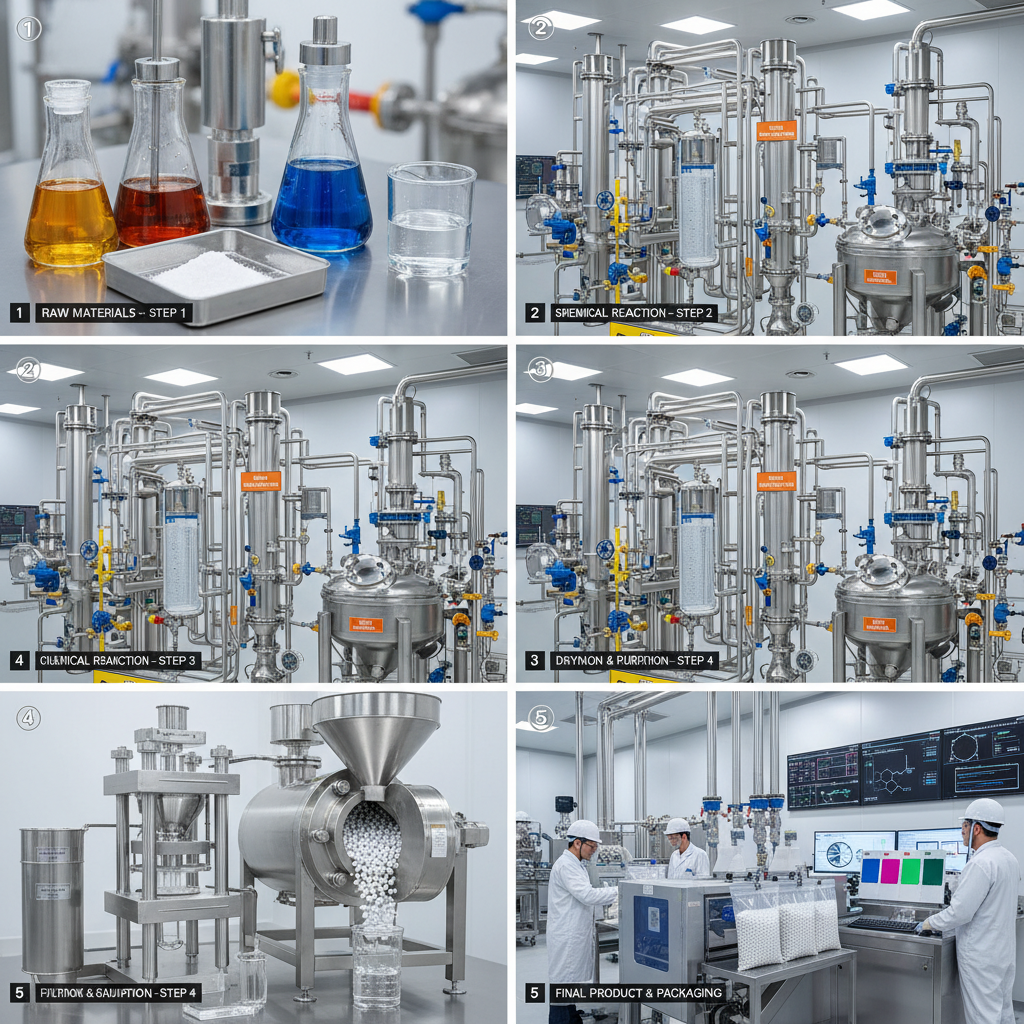
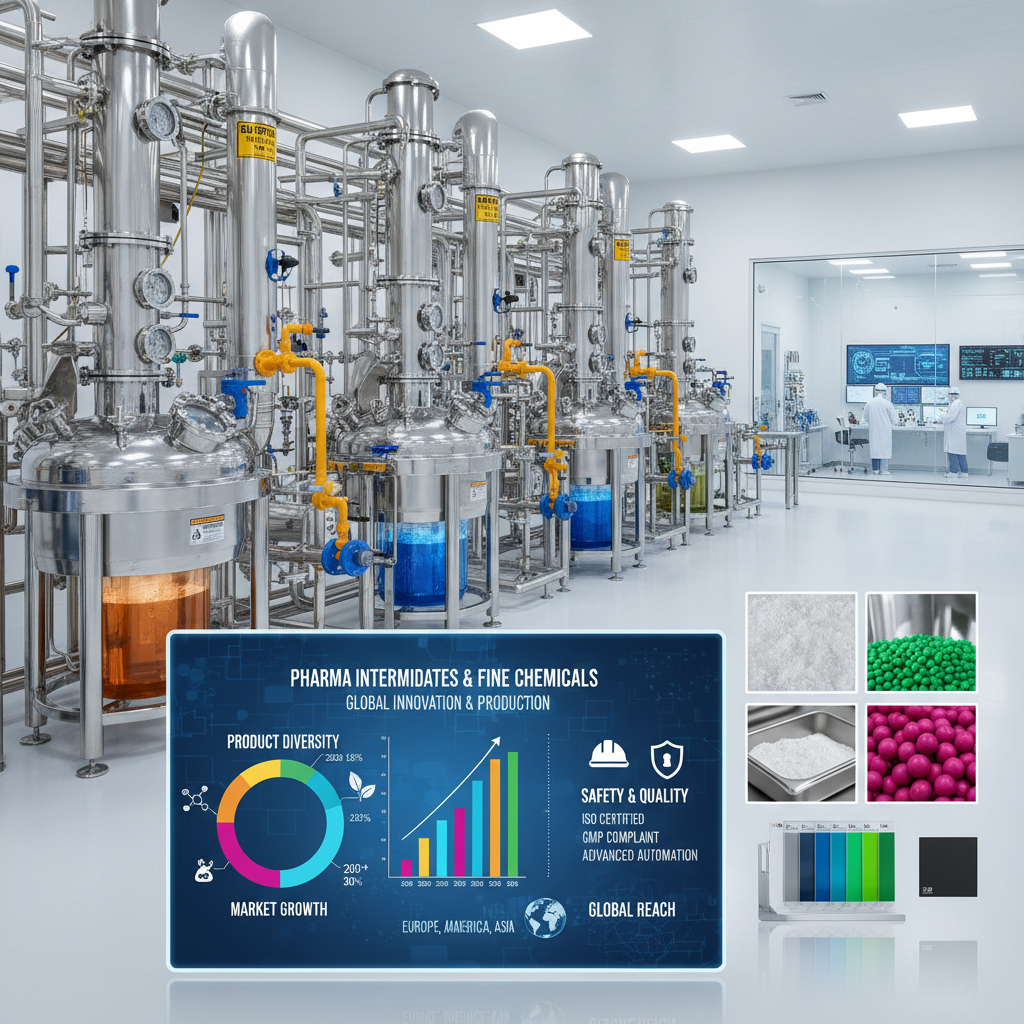
The Vital Role of Pharma Intermediates Manufacturers in Global Drug Supply

Introduction: Global Context

The Vital Role of Pharma Intermediates Manufacturers in Global Drug Supply

The global pharmaceutical industry relies heavily on a network of specialized pharma intermediates manufacturers. According to a 2023 report by the United Nations Conference on Trade and Development (UNCTAD), the value of the global pharmaceutical trade exceeded $1.4 trillion, a significant portion of which is attributable to the trade of intermediates. These manufacturers are pivotal in producing the building blocks for countless life-saving medications, impacting public health worldwide. pharma intermediates manufacturers are therefore a critical component of global healthcare infrastructure.

The concentration of pharmaceutical manufacturing has historically been in developed nations, but there has been a marked shift towards emerging economies in recent decades. This is partly driven by cost advantages, but also by the increasing capabilities of manufacturers in countries like India and China. The World Bank estimates that over 70% of pharmaceutical ingredients used globally are now sourced from these regions. This shift has created both opportunities and challenges regarding supply chain resilience, quality control, and intellectual property protection.

A major challenge facing the pharma intermediates sector is maintaining consistent quality standards across diverse manufacturing locations. International Organization for Standardization (ISO) certifications are increasingly important, but verification and enforcement can be complex. Furthermore, ensuring the ethical and sustainable sourcing of raw materials is becoming a critical concern for pharmaceutical companies and their customers. Effective solutions require collaboration across the entire supply chain and a commitment to transparency and responsible manufacturing practices.

Defining Pharma Intermediates Manufacturers

Pharma intermediates manufacturers are companies that synthesize organic compounds used as raw materials in the production of active pharmaceutical ingredients (APIs). These intermediates are not the final drug product themselves, but rather the precursor molecules that undergo further chemical processing to create the API. The manufacturing process often involves multi-step organic synthesis, requiring specialized expertise in chemistry, process engineering, and analytical techniques.

The distinction between a pharma intermediate manufacturer and an API manufacturer is crucial. Intermediate manufacturers focus on the early stages of the drug production process, while API manufacturers handle the final steps to create the pharmacologically active compound. This specialization allows for economies of scale and the development of unique expertise in specific chemical transformations.

The role of these manufacturers is intrinsically linked to modern healthcare. Without a reliable supply of high-quality intermediates, the production of essential medicines would be severely hampered. They are the unsung heroes of the pharmaceutical industry, enabling the development and affordable production of treatments for a wide range of diseases, addressing critical humanitarian needs and bolstering global health security.

Key Factors in Pharma Intermediate Manufacturing

Several key factors determine the success and competitiveness of pharma intermediates manufacturers. One critical aspect is process optimization. Developing efficient and scalable synthetic routes that minimize waste and maximize yield is essential for cost-effectiveness. Another vital element is regulatory compliance. Adherence to stringent standards set by agencies like the FDA and EMA is non-negotiable, requiring robust quality control systems and meticulous documentation.

Analytical capabilities are also paramount. Sophisticated analytical techniques, such as HPLC, NMR, and mass spectrometry, are needed to ensure the purity, identity, and potency of intermediates at each stage of the manufacturing process. Furthermore, supply chain management plays a crucial role in ensuring a consistent and reliable supply of raw materials, mitigating risks associated with disruptions or shortages.

Finally, intellectual property protection is a significant concern. Many intermediates are subject to patent protection, and manufacturers must respect these rights while also developing their own innovative processes. Strong relationships with pharmaceutical companies and a commitment to confidentiality are essential for fostering trust and collaboration. pharma intermediates manufacturers that excel in these areas are well-positioned for long-term success.

Global Applications & Use Cases

Pharma intermediates manufactured globally find application across a vast spectrum of therapeutic areas. For instance, intermediates used in the synthesis of anti-cancer drugs are produced in specialized facilities adhering to the highest quality standards. Similarly, intermediates for cardiovascular medications are sourced from manufacturers with expertise in complex organic chemistry.

Regions like India and China are dominant players in the production of generic drug intermediates, supplying a significant portion of the global market. These manufacturers benefit from lower labor costs and a well-developed chemical industry infrastructure. However, increasing attention is being paid to environmental sustainability and ethical sourcing practices in these regions.

In post-disaster relief operations, access to essential medicines is critical, and a reliable supply of intermediates is essential for rapidly scaling up production. In remote industrial zones, local pharma intermediate manufacturing can contribute to economic development and provide vital healthcare access.

Comparative Analysis of Pharma Intermediates Manufacturing Methods


Advantages & Long-Term Value

Partnering with reliable pharma intermediates manufacturers offers numerous tangible benefits. Cost savings are significant, as manufacturers can leverage economies of scale and efficient production processes. Sustainability is enhanced through optimized resource utilization and reduced waste generation.

Beyond the economic advantages, there's a profound social impact. A stable supply of intermediates ensures access to essential medicines, improving public health outcomes and reducing healthcare disparities. This fosters trust between pharmaceutical companies and their patients, strengthening brand reputation and promoting ethical business practices. pharma intermediates manufacturers that prioritize these values are building a more sustainable and equitable future for healthcare.

Future Trends & Innovations

The future of pharma intermediates manufacturing will be shaped by several key trends. Green chemistry principles, focused on minimizing environmental impact and utilizing renewable resources, are gaining prominence. Digital transformation, including the adoption of artificial intelligence and machine learning, is optimizing process control and improving predictive maintenance.

Continuous manufacturing, a departure from traditional batch processing, is expected to become more widespread, offering greater efficiency and flexibility. Automation and robotics are streamlining production lines, reducing labor costs and improving quality control. The integration of blockchain technology is enhancing supply chain transparency and combating counterfeit intermediates.

Challenges & Solutions

Despite the growth and innovation in the sector, pharma intermediates manufacturers face several challenges. Maintaining consistent quality and regulatory compliance across global supply chains is a major hurdle. Managing the risk of supply disruptions due to geopolitical instability or natural disasters is also critical.

Solutions involve investing in robust quality management systems, diversifying sourcing strategies, and building strong relationships with suppliers. Embracing advanced analytical techniques and implementing real-time monitoring systems can enhance quality control. Collaborative partnerships between manufacturers, pharmaceutical companies, and regulatory bodies are essential for addressing systemic challenges.

Developing closed-loop manufacturing processes, where waste materials are recycled and reused, can improve sustainability and reduce environmental impact. Investing in employee training and development ensures a skilled workforce capable of adapting to evolving technologies and regulatory requirements.

Overview of Key Considerations in Pharma Intermediates Manufacturing

Manufacturing Process Complexity Regulatory Compliance Level Raw Material Sourcing Risk Environmental Sustainability Rating (1-10)
High (Multi-step synthesis) Strict (FDA/EMA Audited) Moderate (Diversified Suppliers) 7
Medium (Few Steps) Moderate (ICH Q7 Compliant) Low (Local Sourcing) 8
High (Chiral Synthesis) Strict (GMP Certified) High (Single Source) 5
Low (Simple Reaction) Basic (Quality Control) Moderate (Global Market) 6
Medium (Scale-Up Challenges) Moderate (Regular Inspections) Low (Long-Term Contracts) 9
High (Hazardous Chemistry) Strict (Specialized Handling) High (Political Instability) 4

FAQS

What quality control measures do pharma intermediates manufacturers typically employ?

Pharma intermediates manufacturers utilize a multi-layered quality control system. This includes rigorous testing of raw materials, in-process controls during synthesis, and final product analysis using techniques like HPLC, GC-MS, NMR, and IR spectroscopy. They adhere to Good Manufacturing Practices (GMP) guidelines, maintain detailed documentation, and undergo regular audits by regulatory agencies to ensure product quality, purity, and consistency. They also implement stringent change control procedures to validate any modifications to the manufacturing process.

How do pharma intermediates manufacturers ensure supply chain security?

Supply chain security is paramount for pharma intermediates manufacturers. They achieve this through supplier qualification programs, regular audits of their suppliers, and the establishment of long-term contracts with multiple sourcing options to mitigate disruption risks. They also implement robust inventory management systems, track shipments in real-time, and employ security measures to prevent counterfeiting and diversion of intermediates. Increasingly, blockchain technology is being explored to enhance transparency and traceability within the supply chain.

What are the key regulatory requirements for pharma intermediates manufacturers?

Key regulatory requirements for pharma intermediates manufacturers vary by region but generally include adherence to Good Manufacturing Practices (GMP) as defined by agencies like the FDA (US), EMA (Europe), and PMDA (Japan). This encompasses stringent requirements for facility design, equipment validation, personnel training, documentation, and quality control. Manufacturers must also comply with environmental regulations, health and safety standards, and intellectual property laws. Regular inspections and audits are conducted to verify compliance.

What is the role of continuous manufacturing in the pharma intermediates industry?

Continuous manufacturing is a paradigm shift in pharma intermediates production, moving away from traditional batch processing. It offers several advantages, including increased efficiency, reduced waste, improved product quality, and lower production costs. By operating processes continuously, manufacturers can achieve greater consistency and scalability. However, implementing continuous manufacturing requires significant investment in advanced process control systems and analytical technologies.

How are sustainability practices being implemented by pharma intermediates manufacturers?

Sustainability is increasingly important. Manufacturers are adopting green chemistry principles to minimize waste, reduce energy consumption, and utilize renewable resources. They are investing in technologies for solvent recovery and recycling, and exploring alternative, less hazardous reagents. They also focus on responsible waste management, reducing carbon emissions, and improving water usage efficiency. Many companies are reporting on their sustainability performance and setting targets for continuous improvement.

What are the challenges related to scaling up pharma intermediate manufacturing?

Scaling up pharma intermediate manufacturing can present significant challenges. Reaction kinetics, heat transfer, and mass transfer characteristics can change dramatically when moving from laboratory-scale synthesis to large-scale production. Maintaining product quality and consistency across different batch sizes requires careful process optimization and control. Ensuring adequate safety measures are in place to handle larger volumes of chemicals is also critical. Thorough process validation and risk assessment are essential steps in successful scale-up.

Conclusion

In summary, pharma intermediates manufacturers are a cornerstone of the global pharmaceutical industry, providing essential building blocks for life-saving medications. The industry is characterized by complex chemical processes, stringent regulatory requirements, and a growing emphasis on sustainability and supply chain security. Key factors for success include process optimization, analytical capabilities, and a commitment to quality. pharma intermediates manufacturers play a pivotal role in the health and wellbeing of people worldwide.

Looking ahead, innovation in areas like continuous manufacturing, green chemistry, and digital transformation will drive further advancements in the sector. Collaborative partnerships between manufacturers, pharmaceutical companies, and regulatory bodies are crucial for addressing emerging challenges and ensuring a resilient and sustainable pharmaceutical supply chain. Investing in research and development, embracing new technologies, and fostering a culture of continuous improvement will be key to unlocking the full potential of the pharma intermediates industry.

Caleb Thompson

Caleb Thompson

Caleb Thompson is the International Sales Manager for South America and Asia at Shijiazhuang Kunxiangda Technology. He brings over 7 years of experience in international business development, specializing in the fine chemical sector. Caleb focuses on expanding the company's reach in emerging markets, building strong relationships with distributors and end-users.
Previous Advancements in Pharmaceutical Formulation Intermediates for Drug Development
Next Understanding the Critical Role of Bulk Drug Intermediates in Pharmaceutical Production