Look, the pharmaceutical intermediates market...it's been a wild ride these last few years. Seems like everyone and their brother is trying to source stuff cheaper, faster. You see a lot of talk about new regulations coming down the pipe, too. Honestly, it's making things… complicated. It used to be you knew who your suppliers were, shook their hand, and things moved. Now it's layers of distributors, QC checks that feel more like box-ticking exercises, and everyone's worried about getting caught in a supply chain mess. The cost of everything's just… going up.
And it’s not just the big players feeling the squeeze. Smaller companies, the ones trying to innovate, they’re really getting hammered. They don’t have the buying power, the in-house legal teams to navigate this stuff. It's a real shame, because some of the best ideas come from those guys. You see them getting swallowed up, or just… giving up. It’s a tough market.
The whole focus on sustainability is good, don't get me wrong. But it adds another layer of cost and complexity. Everyone wants "green" intermediates, but they still expect them to be cheap. It's a balancing act. A really frustrating balancing act, to be honest.
The Current Landscape of pharmaceutical intermediates market
Have you noticed how everything is focused on supply chain resilience now? It's all anyone talks about. It's not just about price anymore, it’s about knowing where things are coming from, ensuring consistent quality, and having backups. I was talking to a guy at a supplier last week, and he was saying they’re investing heavily in dual-sourcing strategies – basically, having two suppliers for every critical intermediate. It drives up costs, naturally, but it gives them peace of mind.
And the regulations, oh man, the regulations. Every country seems to have their own little tweaks and requirements. It’s a logistical nightmare, especially for smaller companies trying to export. You really need a dedicated regulatory affairs team, which, let’s be honest, is expensive.
Defining Pharmaceutical Intermediates & Their Importance
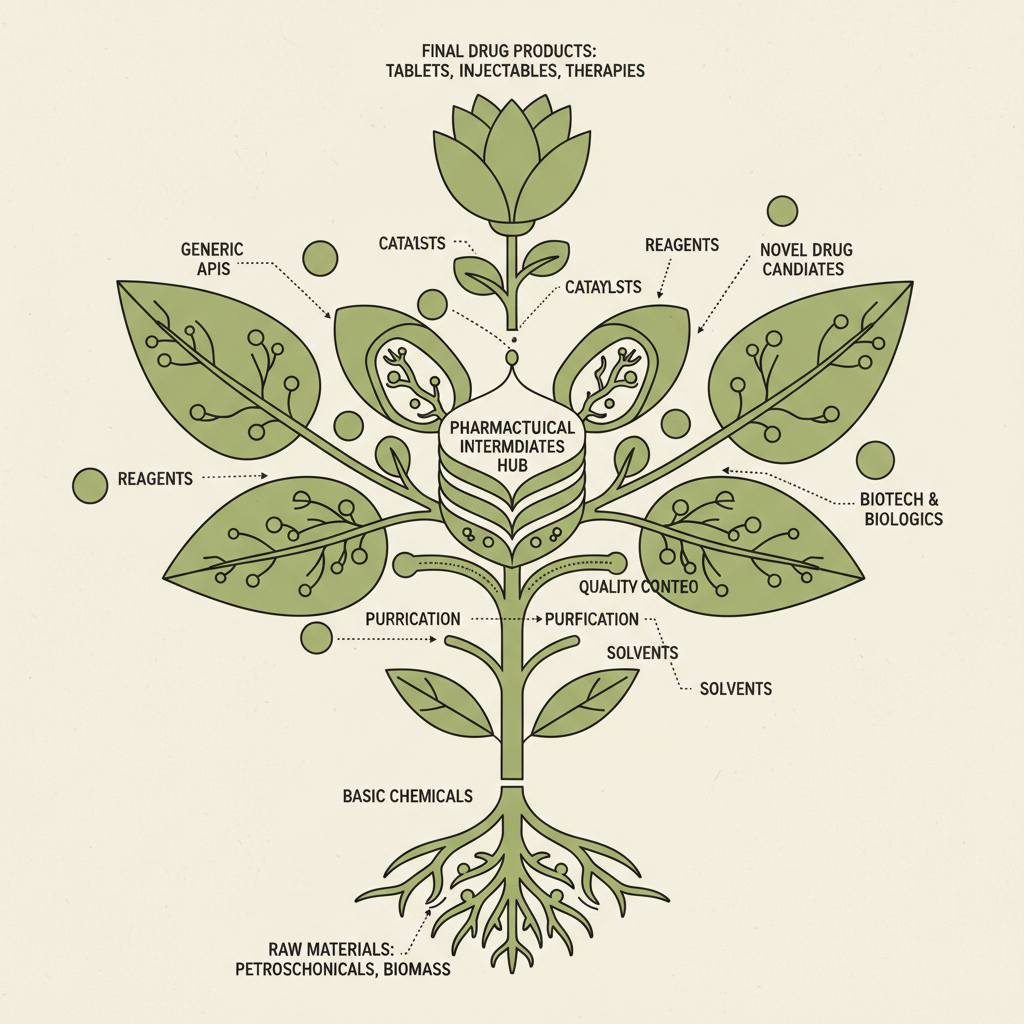
Okay, so what are pharmaceutical intermediates? Basically, they're the building blocks. They're the chemicals that go into making the active pharmaceutical ingredient (API) – the stuff that actually does something in the medicine. Think of it like building a house; the intermediates are the bricks, the lumber, the wiring. You need good quality materials to build a good quality house, right? Same with drugs.
They’re crucial because the quality of the intermediate directly impacts the quality and safety of the final drug. If you have a bad intermediate, you can end up with impurities, reduced efficacy, or even dangerous side effects. It’s a really sensitive process, and that's why the scrutiny is so high.
It's not just about safety, though. Efficient intermediate production is also vital for keeping drug prices down. Anything that makes the process cheaper and faster ultimately benefits the patient. But balancing cost with quality… that’s the tricky part.
Key Factors Influencing the pharmaceutical intermediates market
To be honest, cost is always going to be a huge factor. But it’s not just about the lowest price. It's about total cost of ownership – including quality control, shipping, lead times, and regulatory compliance. You can find a supplier offering a ridiculously low price, but if their quality is questionable, or their lead times are long, you end up paying more in the long run.
Then there’s scalability. Can the supplier ramp up production quickly if your demand increases? That's a big one, especially for new drugs that are showing promising results. You don’t want to be stuck waiting months for intermediates when you’re trying to meet market demand.
And increasingly, sustainability is becoming a key consideration. Companies are looking for suppliers who are using environmentally friendly manufacturing processes and minimizing their carbon footprint. It's not just about doing the right thing; it's also about meeting the demands of investors and consumers. It's a whole new ballgame.
Global Applications & Diverse Use Cases
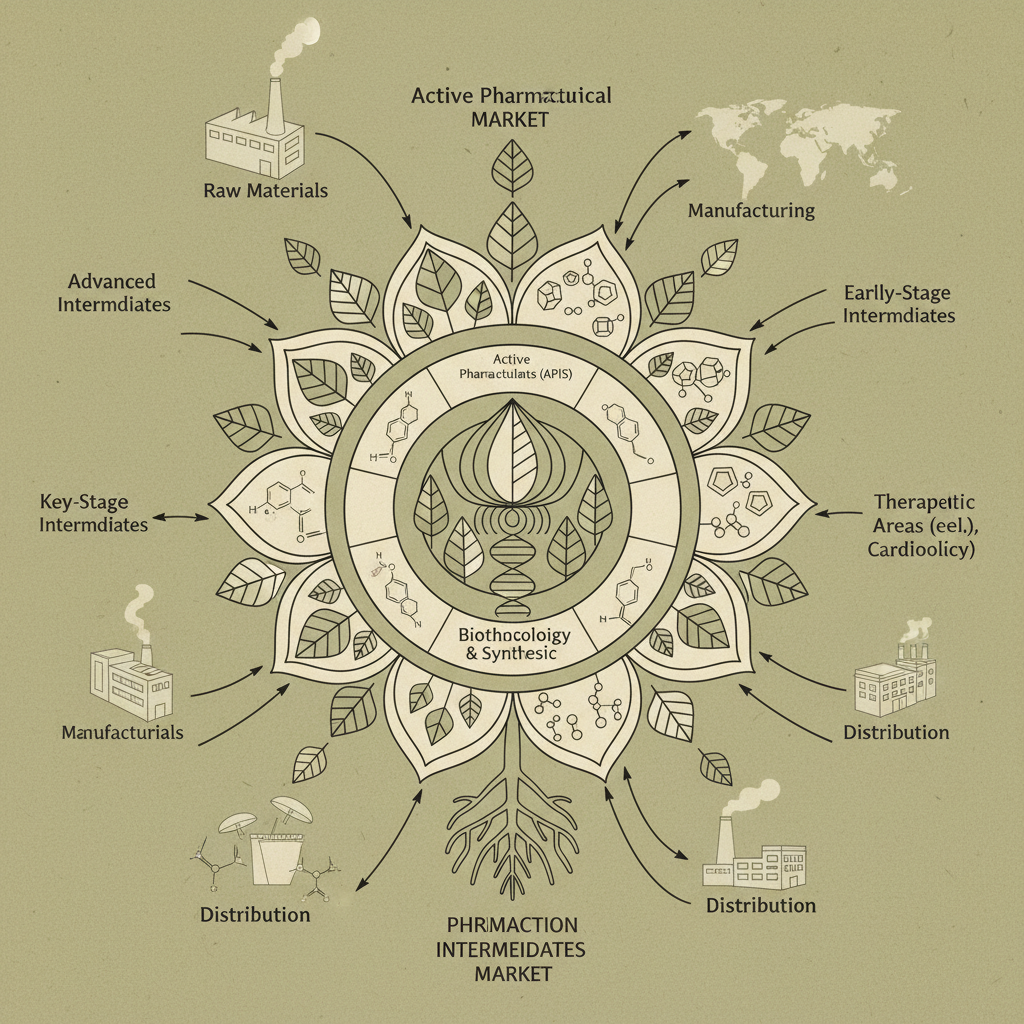
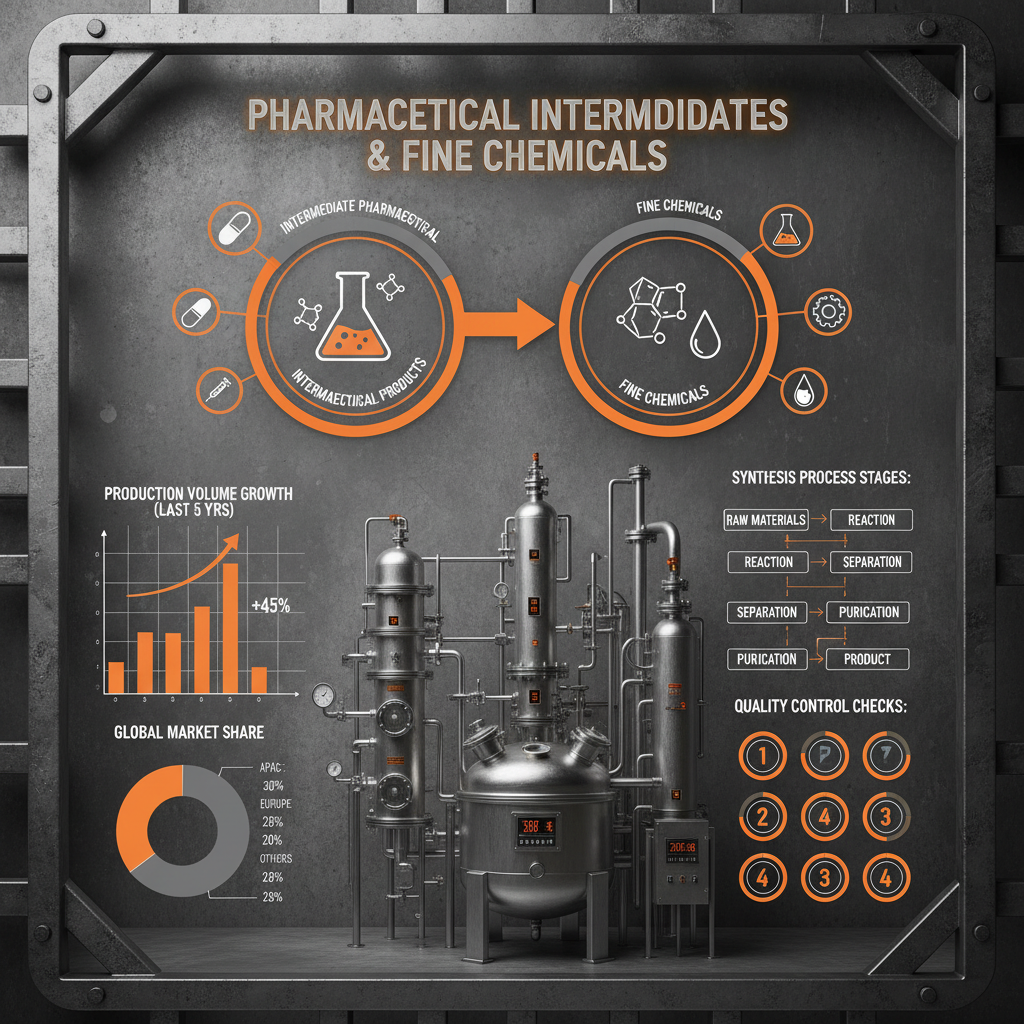
The pharmaceutical intermediates market is truly global. You've got major manufacturing hubs in China and India, of course, but also significant activity in Europe, North America, and increasingly, Southeast Asia. Each region has its own strengths and weaknesses. China is known for its scale and cost competitiveness, India for its expertise in complex chemistries, and Europe and North America for their focus on quality and innovation.
It's used in everything from generic drugs to innovative new therapies. You’ll find intermediates going into antibiotics, antivirals, cancer treatments, cardiovascular medications… the list goes on and on. Essentially, any drug that requires chemical synthesis will rely on pharmaceutical intermediates.
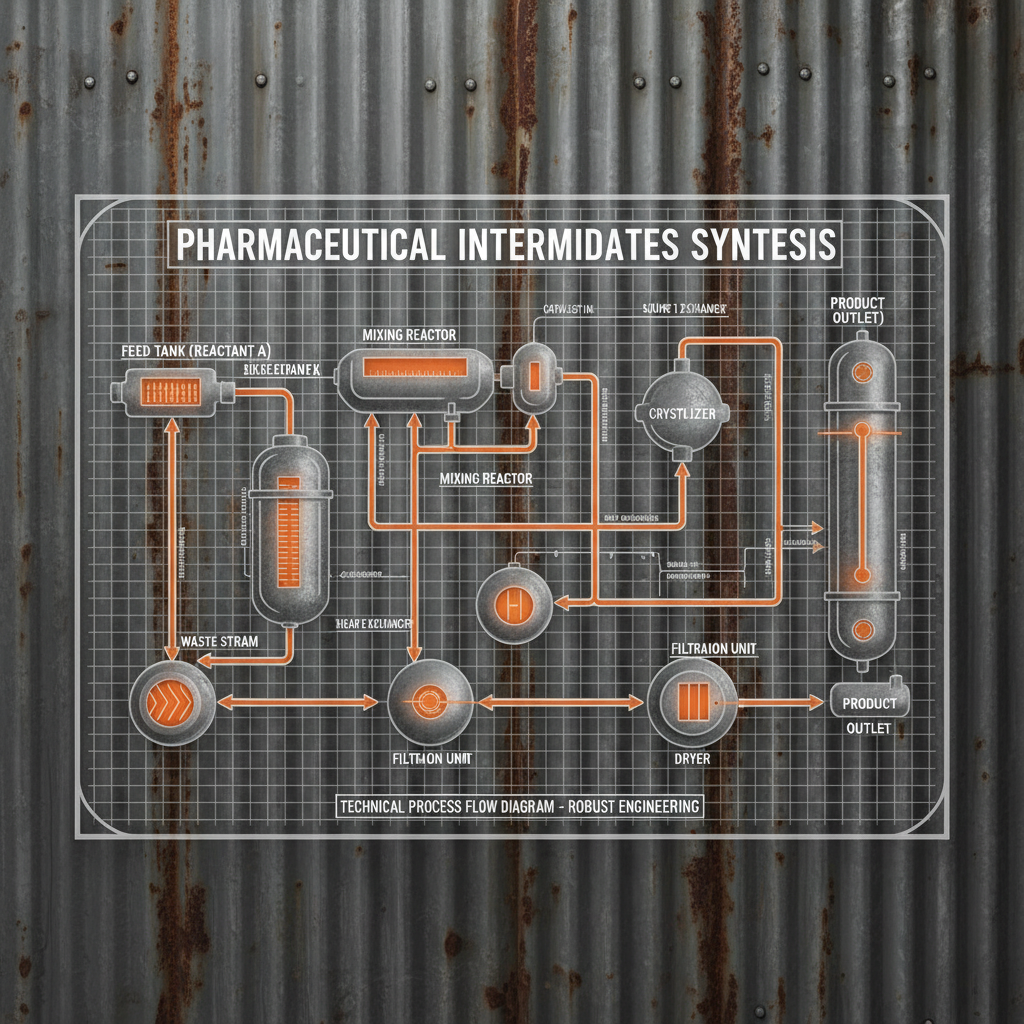
Pharmaceutical Intermediate Production Methods
Advantages & Long-Term Value Proposition
The biggest advantage is cost savings, obviously. But it’s more nuanced than that. Access to high-quality intermediates allows companies to develop and manufacture drugs more efficiently, leading to lower prices for patients. It also fosters innovation by enabling the development of new and more effective therapies.
From a long-term perspective, a robust pharmaceutical intermediates market contributes to global health security. By diversifying supply chains and reducing reliance on single sources, we can minimize the risk of drug shortages and ensure that essential medicines are available when and where they’re needed.
Future Trends & Emerging Innovations
I think we’re going to see a lot more emphasis on green chemistry and sustainable manufacturing. Companies are under pressure to reduce their environmental impact, and that’s going to drive demand for more eco-friendly intermediates and production processes.
Also, continuous manufacturing is gaining traction. It’s basically moving away from batch processing to a continuous flow system. It’s more efficient, more scalable, and can lead to better quality control. Strangely, getting people to adopt it is the biggest hurdle. It's a mindset shift, you know?
Digitalization is playing a role too, with AI and machine learning being used to optimize production processes and predict demand. It's still early days, but I think it has the potential to revolutionize the industry.
Challenges & Potential Solutions in the pharmaceutical intermediates market
The biggest challenge, in my opinion, is maintaining quality and transparency in a complex global supply chain. It’s too easy for substandard intermediates to slip through the cracks, especially when you’re dealing with multiple layers of suppliers and distributors.
One solution is to invest in more robust quality control measures, including on-site audits and independent testing. But that’s expensive and time-consuming. Another approach is to use blockchain technology to track intermediates throughout the supply chain, providing a secure and transparent record of their origin and quality.
Last month, that small boss in Shenzhen who makes smart home devices insisted on changing the interface to , and the result was a three-week delay in getting the intermediates we needed. He swore it was more “modern” and “user-friendly," but it threw a wrench in everything! Anyway, I think the key is building strong relationships with your suppliers and being proactive about identifying and mitigating risks.
Summary of Key Challenges and Solutions in Pharmaceutical Intermediate Sourcing
| Challenge |
Impact on Supply Chain |
Potential Solution |
Implementation Difficulty (1-10) |
| Quality Control Issues |
Risk of impure APIs, reduced drug efficacy |
Enhanced on-site audits & independent testing |
7 |
| Supply Chain Disruptions |
Drug shortages, increased costs |
Dual-sourcing strategies & buffer stock |
5 |
| Regulatory Compliance |
Delays, penalties, market access barriers |
Dedicated regulatory affairs team & compliance software |
8 |
| Lack of Transparency |
Difficulty tracing origin, verifying quality |
Blockchain technology for supply chain tracking |
6 |
| Rising Costs |
Reduced profit margins, higher drug prices |
Negotiating long-term contracts & optimizing processes |
4 |
| Sustainability Concerns |
Environmental impact, regulatory pressure |
Adopting green chemistry principles & sustainable sourcing |
6 |
FAQS
APIs are the biologically active components in a drug that produce the intended effects. Pharmaceutical intermediates are the precursor compounds used in the synthesis of APIs. Essentially, intermediates are building blocks, while APIs are the final product. Quality of the intermediates directly impacts the final API's purity and efficacy. Think of it like making a cake – the intermediates are the flour, sugar, and eggs, while the cake itself is the API.
Regulatory bodies like the FDA and EMA don’t directly regulate intermediates to the same extent as APIs, but they do expect manufacturers to have robust quality control systems in place. This includes supplier qualification, testing protocols, and traceability measures. The responsibility ultimately falls on the drug manufacturer to ensure the quality and safety of the entire supply chain, including the intermediates. A lot of it’s about documenting everything and being able to prove compliance.
Continuous manufacturing is a process where intermediates are produced in a continuous flow, rather than in batches. This can lead to increased efficiency, lower costs, and improved quality control. It’s still relatively new in the pharmaceutical industry, but it’s gaining traction. The biggest challenge is getting the technology validated and accepted by regulatory authorities, but it's going to be big.
Definitely. Biocatalysis – using enzymes to catalyze chemical reactions – is a big one. It can be more environmentally friendly and selective than traditional chemical methods. Also, flow chemistry and microreactors are gaining popularity, allowing for faster and more precise reactions. And, of course, AI and machine learning are being used to optimize production processes and predict demand.
China and India are currently the dominant players, accounting for a significant share of global production. However, we’re seeing increased activity in Europe and North America, particularly for high-value intermediates. Southeast Asia is also emerging as a potential hub, driven by lower labor costs and government incentives. Diversification of the supply chain is a major trend right now, so expect to see more regional hubs popping up.
Sustainability is becoming increasingly important. Companies are looking for intermediates that are produced using environmentally friendly processes, minimizing waste and reducing carbon emissions. Green chemistry principles, such as using renewable feedstocks and avoiding hazardous solvents, are gaining traction. It’s not just about being environmentally responsible; it’s also about meeting the demands of investors and consumers who are increasingly concerned about sustainability.
Conclusion
So, the pharmaceutical intermediates market is a complicated beast. It's about cost, quality, regulations, sustainability, and a whole lot of moving parts. It’s constantly evolving, driven by technological innovation and changing market dynamics. The key takeaway is that a robust and reliable supply of high-quality intermediates is essential for ensuring the availability of safe and effective medicines.
Ultimately, whether this thing works or not, the worker will know the moment he tightens the screw. You can have all the fancy technology and regulations in the world, but if the materials don't feel right, if the process isn't smooth, if the people on the ground aren’t confident…it’s going to fail. Visit our website at kxdchem.com to learn more about how we can help you navigate this complex landscape.