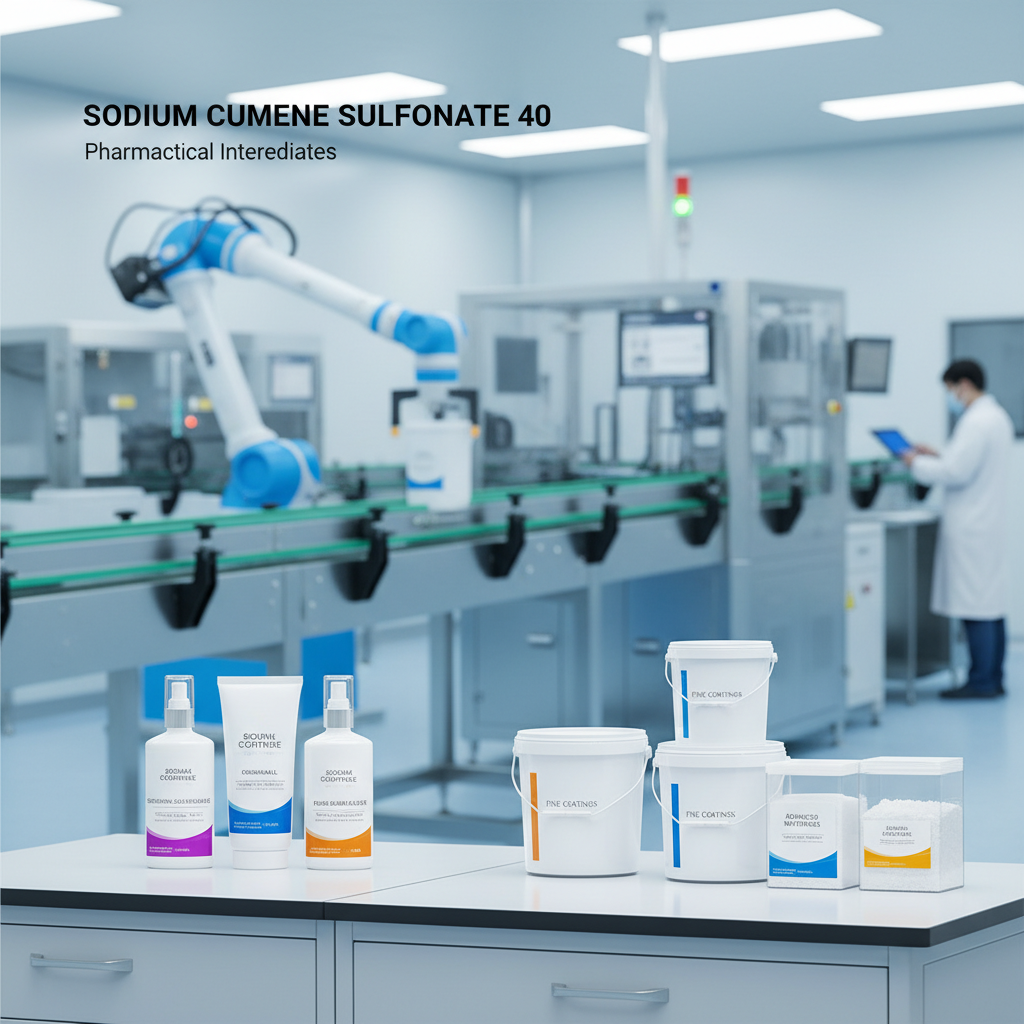
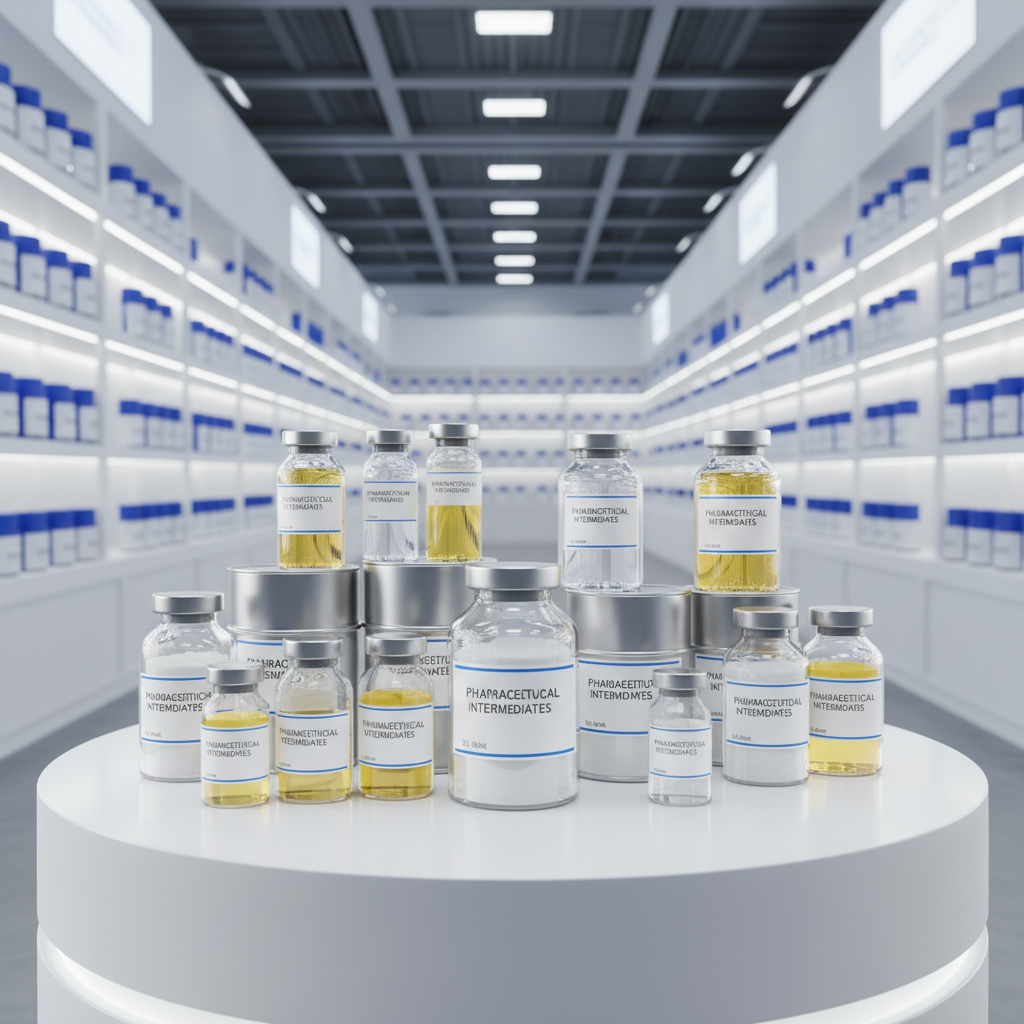
Bulk pharmaceutical intermediates are the cornerstone of modern drug manufacturing, representing the chemically processed compounds that precede active pharmaceutical ingredients (APIs). Their quality, cost, and availability directly impact the global supply of essential medicines. Understanding these intermediates is crucial for pharmaceutical companies, regulatory bodies, and healthcare providers alike, ensuring both efficacy and affordability in healthcare.
The global market for bulk pharmaceutical intermediates is experiencing significant growth, driven by factors such as an aging population, increasing prevalence of chronic diseases, and expanding access to healthcare in emerging economies. According to recent reports, the market is projected to reach billions of dollars in the coming years, highlighting its importance to the overall pharmaceutical industry. This growth necessitates a deeper understanding of the production processes, quality control measures, and supply chain dynamics associated with these vital compounds.
Investing in research and development focused on more efficient and sustainable production methods for bulk pharmaceutical intermediates is paramount. Furthermore, robust regulatory frameworks and quality assurance systems are essential to maintain the integrity of the pharmaceutical supply chain and safeguard public health, making expertise in this area ever more valuable.
Introduction to Bulk Pharmaceutical Intermediates
Bulk pharmaceutical intermediates occupy a vital position within the complex pharmaceutical supply chain. They aren’t the final drug product, but are crucial building blocks, undergoing further chemical transformations to become the APIs that deliver therapeutic effects. A consistent and reliable supply of high-quality intermediates is therefore essential for ensuring uninterrupted drug production.
The production of bulk pharmaceutical intermediates is a highly specialized field, requiring expertise in organic chemistry, process engineering, and analytical techniques. Ensuring adherence to stringent quality standards, such as those set by regulatory agencies like the FDA and EMA, is paramount. The increasing demand for generic drugs further emphasizes the importance of cost-effective and efficient intermediate production.
Defining Bulk Pharmaceutical Intermediates
Bulk pharmaceutical intermediates are organic compounds that are produced during the synthesis of an API. They represent a stage in the chemical process, typically involving multiple steps, between the starting materials and the final drug substance. These intermediates are characterized by their defined chemical structure and purity level, requiring meticulous analysis and quality control.
The distinction between an intermediate and a starting material can be subtle, but generally, intermediates undergo significant chemical transformation during the API synthesis. They are rarely used for other purposes and are specifically designed for pharmaceutical production. This focused application underscores the critical role they play in guaranteeing the safety and efficacy of medications.
Understanding the chemical pathways involved in intermediate production is key to optimizing processes and minimizing impurities. Utilizing advanced analytical tools and employing rigorous quality control measures are essential to ensure that each intermediate meets the required specifications for downstream processing and ultimately, for patient safety.
Key Characteristics of Quality Intermediates
High purity is arguably the most critical characteristic of quality bulk pharmaceutical intermediates. Impurities can arise from various sources, including incomplete reactions, side products, and residual solvents. These impurities must be carefully identified, quantified, and controlled to prevent adverse effects in the final drug product.
Consistent quality is equally important. Batch-to-batch variability can lead to inconsistent API synthesis and ultimately, affect drug performance. Robust manufacturing processes, coupled with stringent quality control testing, are vital to ensure that each batch of intermediate meets predefined specifications.
Finally, well-defined chemical structure and complete documentation are paramount. The intermediate’s structure must be unequivocally established through analytical techniques such as NMR, mass spectrometry, and elemental analysis. Comprehensive documentation, including batch records, analytical data, and stability studies, is essential for regulatory compliance and traceability.
Core Factors Influencing Intermediate Production
Process optimization is crucial for maximizing yield and minimizing production costs. This involves carefully controlling reaction conditions such as temperature, pressure, and catalyst concentration, as well as optimizing reaction time and solvent usage. Efficient process design directly impacts the cost of bulk pharmaceutical intermediates.
Sustainable manufacturing practices are becoming increasingly important. This includes minimizing waste generation, reducing energy consumption, and utilizing environmentally friendly solvents and reagents. Green chemistry principles are being actively incorporated into intermediate production to reduce the environmental footprint.
Production Cost Breakdown of Bulk Pharmaceutical Intermediates
Global Applications and Industries Served
Bulk pharmaceutical intermediates are used extensively in the production of a wide range of pharmaceuticals, including antibiotics, antivirals, cardiovascular drugs, and anti-cancer medications. The demand for these intermediates is therefore directly linked to global healthcare needs and pharmaceutical industry growth.
Major pharmaceutical manufacturing hubs, such as India and China, rely heavily on the supply of bulk pharmaceutical intermediates. These regions often serve as key sourcing locations for both domestic and international pharmaceutical companies. Furthermore, the growing generic drug market globally is driving increased demand for cost-effective intermediates.
The Advantages of Optimized Intermediates
Optimized bulk pharmaceutical intermediates contribute significantly to reducing overall drug manufacturing costs. Higher yields and lower impurity levels translate into less waste and reduced purification steps, ultimately lowering the cost of API production.
Improved purity profiles enhance the safety and efficacy of the final drug product. By minimizing the presence of harmful impurities, optimized intermediates contribute to better patient outcomes and reduced risk of adverse effects.
Sustainable production methods employed in optimized intermediate manufacturing minimize environmental impact. Reducing waste, conserving energy, and utilizing environmentally friendly materials contribute to a more responsible and ethical pharmaceutical supply chain.
Future Trends in Bulk Pharmaceutical Intermediates
Continuous manufacturing is gaining traction as a more efficient and cost-effective alternative to traditional batch processing. This technology allows for real-time monitoring and control of reaction parameters, resulting in improved product quality and reduced waste.
Biocatalysis, utilizing enzymes as catalysts, offers a sustainable and environmentally friendly approach to intermediate production. Biocatalytic reactions are often highly selective and can be carried out under mild conditions, reducing energy consumption and minimizing the use of hazardous chemicals.
Digitalization and automation are transforming the pharmaceutical manufacturing landscape. Advanced process control systems, coupled with data analytics and machine learning, are enabling manufacturers to optimize processes, predict potential problems, and improve overall efficiency.
Summary of Challenges and Potential Solutions for Bulk Pharmaceutical Intermediates
| Challenge Area |
Current Limitations |
Potential Solutions |
Impact Level (1-10) |
| Cost Reduction |
High raw material costs & inefficient processes |
Process optimization, alternative sourcing |
8 |
| Sustainability |
Waste generation & hazardous solvent use |
Green chemistry principles, biocatalysis |
7 |
| Quality Control |
Complex impurity profiles & analytical challenges |
Advanced analytical techniques, real-time monitoring |
9 |
| Supply Chain Resilience |
Geopolitical risks & single-source dependencies |
Diversified sourcing, regional manufacturing |
6 |
| Process Scalability |
Difficulty scaling up lab processes to industrial production |
Process modeling & simulation, pilot plant studies |
7 |
| Regulatory Compliance |
Stringent documentation requirements & evolving regulations |
Digital data management, automated reporting |
8 |
FAQS
Quality control for bulk pharmaceutical intermediates is a multifaceted process. It typically includes rigorous testing for purity using techniques like HPLC and GC, identification of impurities using mass spectrometry, and verification of chemical structure via NMR spectroscopy. Furthermore, tests for residual solvents, heavy metals, and water content are crucial. Adherence to pharmacopeial standards (USP, EP, JP) is essential, along with thorough documentation of all testing procedures and results to ensure traceability and compliance.
Supply chain disruptions can significantly affect the availability of bulk pharmaceutical intermediates, leading to drug shortages and increased costs. Factors such as geopolitical events, natural disasters, and manufacturing issues can all contribute to these disruptions. Mitigation strategies include diversifying sourcing, building buffer stocks, and developing alternative supply chains. Proactive risk assessment and supply chain visibility are also critical for ensuring a stable supply.
Regulatory agencies like the FDA (US) and EMA (Europe) play a crucial role in ensuring the safety and quality of bulk pharmaceutical intermediates. They establish guidelines and standards for manufacturing, testing, and documentation. They also conduct inspections of manufacturing facilities to verify compliance with these regulations. Furthermore, they review submissions for new drug applications (NDAs) and abbreviated new drug applications (ANDAs), which include detailed information on the intermediates used in the production of the API.
Common impurities in bulk pharmaceutical intermediates can include starting materials, by-products of the reaction, degradation products, and residual solvents. These are controlled through optimized reaction conditions, purification techniques like crystallization and chromatography, and rigorous analytical testing. Impurity levels are typically defined in pharmacopeial monographs and must be consistently below established limits. Thorough characterization of impurities is also necessary to assess their potential toxicity.
Green chemistry principles are increasingly applied to intermediate production to reduce environmental impact. This includes using safer solvents, designing more efficient synthetic routes, minimizing waste generation, and utilizing renewable feedstocks. Biocatalysis, employing enzymes as catalysts, is a particularly promising green chemistry approach. Ultimately, adopting these principles leads to more sustainable and environmentally responsible manufacturing processes.
Cost considerations involve a complex interplay of factors, including raw material prices, manufacturing costs, transportation expenses, and quality control requirements. Sourcing from different regions can significantly impact costs. It's crucial to balance cost with quality and reliability. Long-term contracts, volume discounts, and strategic partnerships with suppliers can help optimize costs without compromising product quality. Evaluating total cost of ownership, including potential risks and delays, is paramount.
Conclusion
In conclusion, bulk pharmaceutical intermediates represent a foundational element of the global pharmaceutical industry. Their quality, cost, and sustainable production are pivotal to ensuring access to safe and effective medicines worldwide. Continuous innovation in process chemistry, analytical techniques, and supply chain management will be critical for meeting the evolving demands of the healthcare landscape.
Looking ahead, a commitment to green chemistry principles, digitalization, and robust regulatory oversight will further enhance the resilience and sustainability of the bulk pharmaceutical intermediates sector. For further information on our offerings and capabilities in this vital area, please visit our website: www.kxdchem.com.