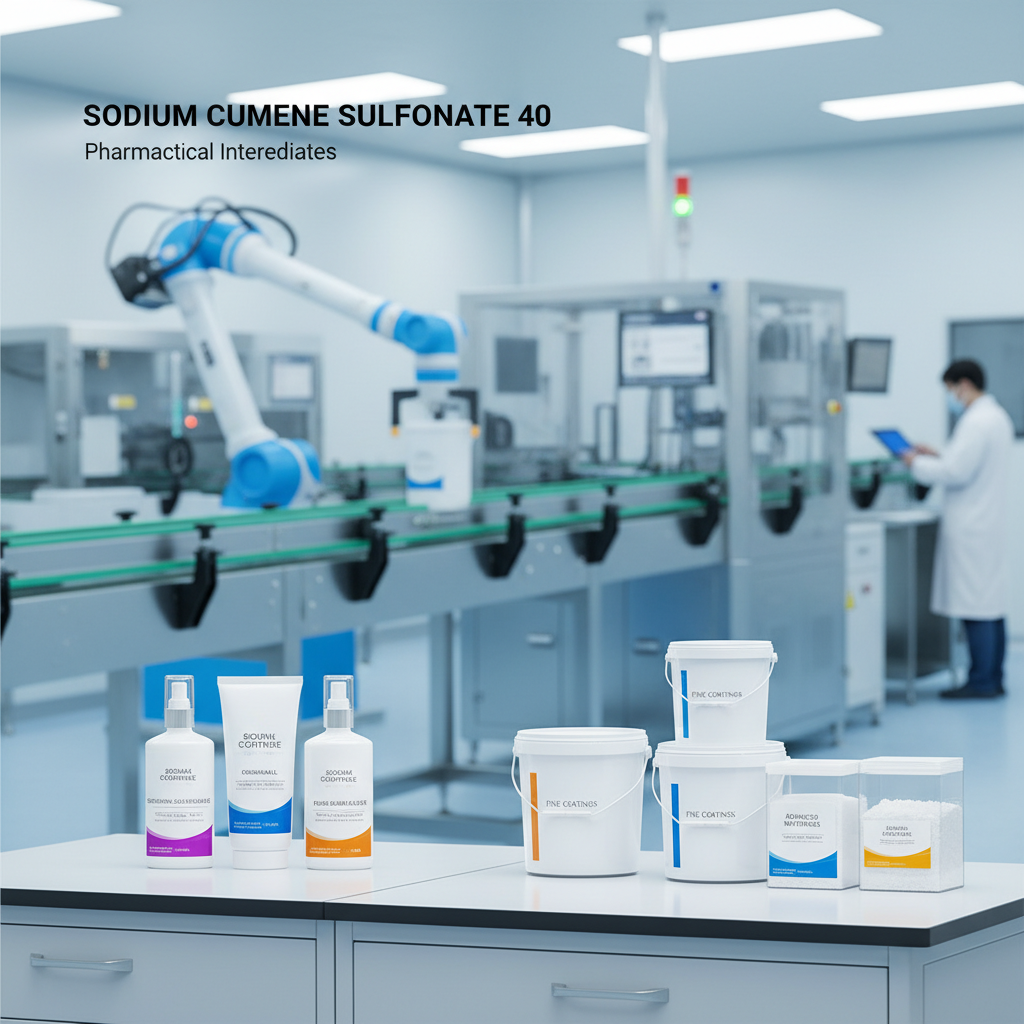
Intermediates in pharmaceuticals are the crucial building blocks in the complex process of drug manufacturing. These compounds, neither starting materials nor the final drug itself, require sophisticated chemical synthesis and rigorous quality control. Their importance stems from the fact that they allow pharmaceutical companies to streamline production, reduce costs, and focus on the final stages of drug development – formulation and clinical trials. The global pharmaceutical industry relies heavily on a robust and efficient supply chain of these intermediates, impacting healthcare access worldwide.
The demand for high-quality intermediates in pharmaceuticals is fueled by several factors, including the growing prevalence of chronic diseases, an aging global population, and increasing investment in research and development. A stable supply of these critical compounds is vital for ensuring the uninterrupted production of life-saving medications. Disruptions in the intermediates supply chain, as witnessed during recent global events, can lead to drug shortages and impact patient care. Therefore, understanding the intricacies of intermediates in pharmaceuticals is paramount for manufacturers, regulators, and healthcare professionals alike.
The strategic importance of intermediates in pharmaceuticals extends beyond mere cost efficiency. It involves considerations of intellectual property protection, regulatory compliance (such as adherence to Good Manufacturing Practices - GMP), and sustainable chemical practices. A strong foundation in this area enables innovation in drug discovery and manufacturing, ultimately leading to the development of more effective and affordable treatments for a wide range of illnesses.


The pharmaceutical industry operates on a tiered structure, where the synthesis of a final drug product is rarely a single-step process. Intermediates in pharmaceuticals represent these crucial stepping stones, carefully crafted molecules that undergo further transformations to eventually become the active pharmaceutical ingredient (API). These compounds are typically produced by specialized chemical companies who supply them to pharmaceutical manufacturers.
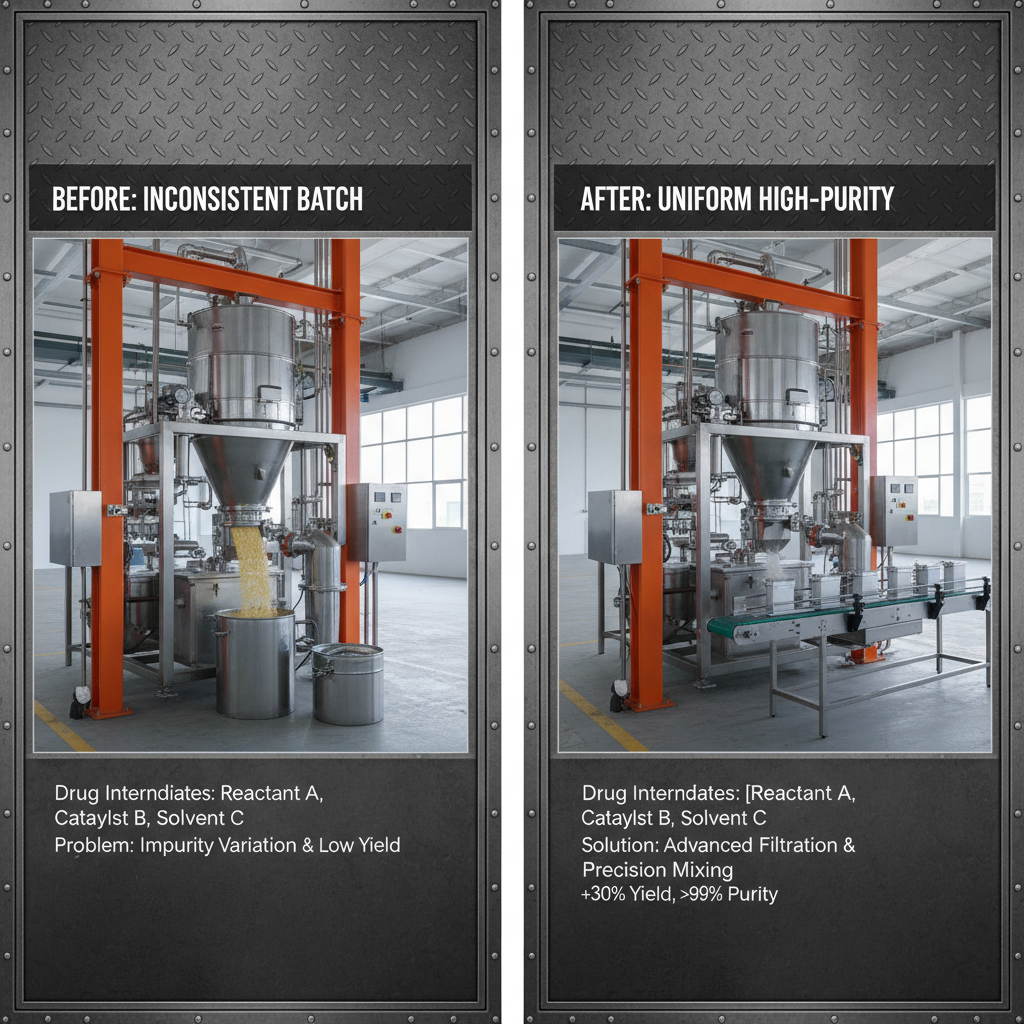
The production of intermediates is a complex undertaking, demanding specialized expertise in organic chemistry, process optimization, and analytical techniques. Factors such as reaction yield, purity, and scalability are paramount. The effective management of intermediates throughout the supply chain is critical for ensuring the consistent quality and availability of life-saving medications.
Intermediates fall under the purview of Good Manufacturing Practices (GMP) guidelines set by regulatory bodies like the FDA and EMA. These guidelines mandate strict quality control procedures, comprehensive documentation, and validation of manufacturing processes. Specific requirements include impurity profiling, stability testing, and adherence to strict batch-to-batch consistency. Compliance with these regulations is essential for ensuring the safety and efficacy of the final drug product.
Diversifying suppliers is a crucial strategy. Relying on a single source for critical intermediates creates significant vulnerability. Establishing relationships with multiple qualified suppliers in different geographical regions can enhance supply chain resilience. Holding strategic safety stock of key intermediates is another proactive measure. Furthermore, implementing robust supply chain monitoring systems can provide early warnings of potential disruptions.
PAT involves the real-time monitoring of critical process parameters (CPPs) during intermediate synthesis. This allows for dynamic adjustments to maintain optimal conditions, ensuring consistent product quality and minimizing the formation of impurities. Techniques like Raman spectroscopy, near-infrared spectroscopy, and online HPLC are commonly used in PAT systems. This leads to reduced cycle times and improved yields.
Sustainability is becoming increasingly important, driven by regulatory pressures and ethical considerations. Adopting green chemistry principles – such as using renewable feedstocks, minimizing waste, and employing safer solvents – is crucial. Companies are also exploring biocatalysis and flow chemistry to reduce environmental impact. A focus on energy efficiency and responsible waste management are also essential.
There's a growing trend toward outsourcing intermediate production to Contract Manufacturing Organizations (CMOs), particularly in regions like India and China, due to cost advantages and specialized expertise. However, companies are also prioritizing supply chain security and quality, leading to a focus on CMOs with strong regulatory compliance records and robust quality systems. Regionalization of supply chains is another emerging trend.
High-Performance Liquid Chromatography (HPLC) is extensively used for purity assessment and impurity profiling. Gas Chromatography-Mass Spectrometry (GC-MS) is valuable for identifying volatile impurities. Nuclear Magnetic Resonance (NMR) spectroscopy provides detailed structural information. Infrared (IR) spectroscopy is used for functional group analysis, and mass spectrometry (MS) confirms the molecular weight. These techniques are often used in combination to ensure comprehensive characterization.
In conclusion, intermediates in pharmaceuticals are the unsung heroes of the drug manufacturing process. They represent critical building blocks that enable the efficient and reliable production of life-saving medications. A thorough understanding of their characteristics, quality control measures, and the evolving trends in their production is essential for all stakeholders in the pharmaceutical industry. The responsible sourcing, manufacturing, and management of these compounds are paramount for ensuring patient safety and access to effective treatments.
Looking ahead, the future of intermediates in pharmaceuticals will be shaped by a continued focus on sustainability, digitalization, and supply chain resilience. Embracing innovative technologies and adhering to the highest quality standards will be crucial for navigating the challenges and opportunities that lie ahead. We at Kxdchem are committed to providing high-quality intermediates and supporting our partners in their pursuit of pharmaceutical innovation.