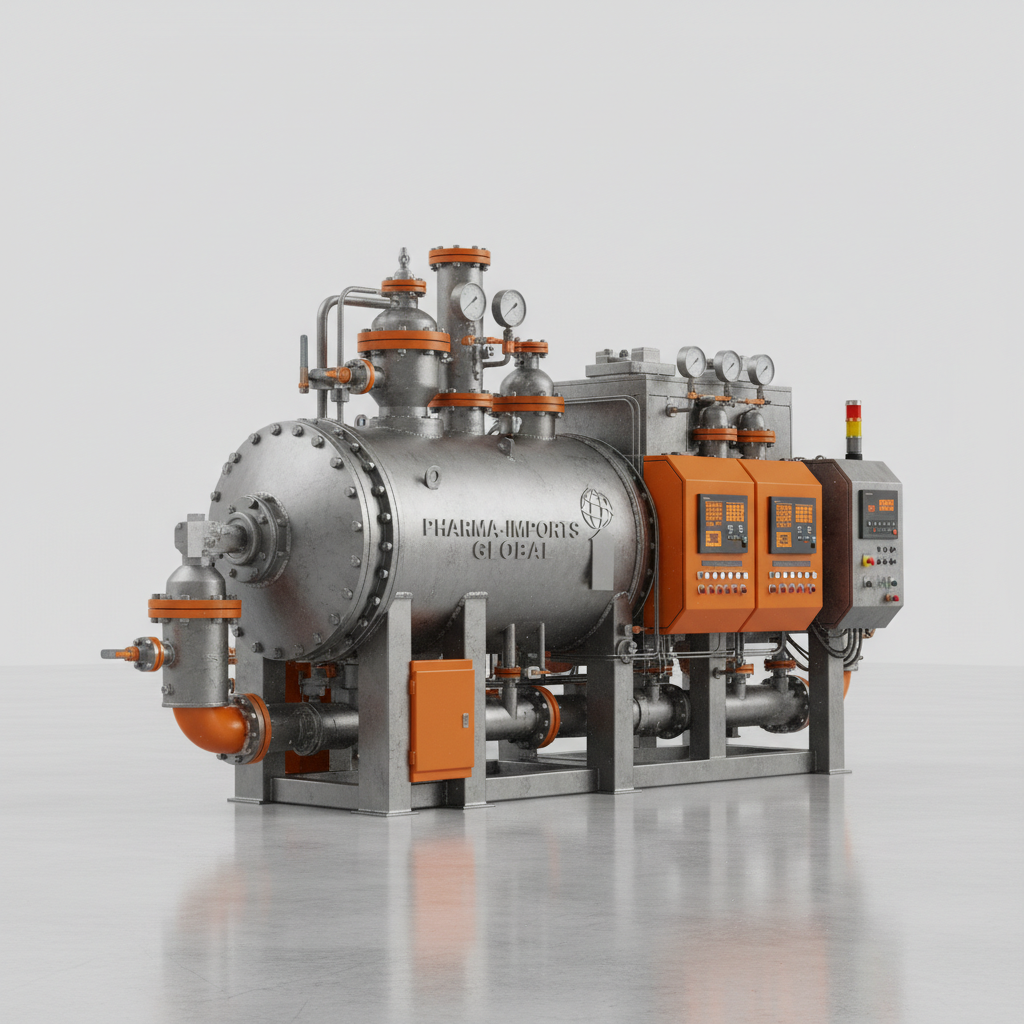
In the dynamic landscape of pharmaceutical development, the concept of intermediates plays a crucial role. These compounds, formed during the synthesis of an Active Pharmaceutical Ingredient (API), are not the final drug substance but essential building blocks. Understanding what is an intermediate in pharmaceuticals is vital for optimizing manufacturing processes, ensuring product quality, and ultimately, delivering life-saving medications to patients worldwide. It’s a complex field driven by stringent regulations and constant innovation.
The global pharmaceutical industry is a multi-trillion-dollar market, and the demand for efficient and cost-effective drug manufacturing is continuously growing. According to the World Health Organization, access to essential medicines remains a significant challenge in many parts of the world. Efficient intermediate production directly impacts the affordability and availability of these medicines. The use of advanced technologies and sustainable practices in intermediate manufacturing is therefore not just a commercial imperative but a global health necessity.
Challenges facing the pharmaceutical industry, such as supply chain disruptions and the need for faster drug development timelines, are increasingly addressed through optimized intermediate strategies. A robust understanding of what is an intermediate in pharmaceuticals and its characteristics is paramount for researchers, manufacturers, and regulatory bodies alike. It’s a foundational element in creating a resilient and responsive pharmaceutical ecosystem.
Definition & Meaning
Simply put, what is an intermediate in pharmaceuticals refers to a substance created during the multi-step process of synthesizing an API. It isn't the final drug itself, but a crucial stepping stone, chemically transformed into the API through subsequent reactions. These intermediates are often isolated and purified before continuing the synthesis.
The connection to modern industry is profound. Pharmaceutical companies rely on efficient and scalable intermediate production to maintain competitive pricing and ensure a consistent supply of medications. Moreover, understanding the properties of these intermediates allows for process optimization, leading to reduced waste and environmental impact.
This concept directly addresses humanitarian needs as well. Affordable access to essential medicines relies heavily on streamlined manufacturing processes – and that begins with effectively producing and managing pharmaceutical intermediates. The efficient synthesis of these compounds reduces the overall cost of drug production, making vital treatments more accessible to populations in need.
Key Factors or Core Components
Several factors are critical when considering pharmaceutical intermediates. Purity is paramount – impurities can carry through to the final API, impacting safety and efficacy. Maintaining high purity levels requires stringent quality control measures at each stage of intermediate production.
Yield directly affects cost-effectiveness. Maximizing the yield of each reaction step minimizes waste and reduces the amount of raw materials needed. Scalability is another key consideration; a process that works well on a small laboratory scale must be easily adaptable to large-scale manufacturing.
Stability is essential for storage and transportation. Intermediates must remain chemically stable under typical storage conditions to prevent degradation and maintain quality. Finally, Cost Efficiency is always a major driver, balancing the need for high quality with competitive pricing within the global pharmaceutical marketplace.
Global Applications & Use Cases
Pharmaceutical intermediates are globally traded commodities, with major production hubs located in countries like China and India. These regions benefit from lower labor costs and established chemical manufacturing infrastructure. These intermediates are then shipped worldwide to pharmaceutical companies for API synthesis.
The application extends across various therapeutic areas – from cardiovascular drugs and antibiotics to cancer treatments and antiviral medications. Each API requires its own specific set of intermediates, creating a diverse and complex supply chain. Pharmaceutical companies often outsource intermediate production to specialized manufacturers.
In post-disaster relief operations, ensuring a reliable supply of essential medicines is vital. Efficient intermediate production helps maintain this supply even in challenging circumstances. Similarly, in remote industrial zones with limited infrastructure, locally sourced or efficiently transported intermediates can be critical for establishing domestic pharmaceutical manufacturing capacity.
Advantages & Long-Term Value
The advantages of focusing on high-quality pharmaceutical intermediates are numerous. Significant cost savings are achievable through optimized manufacturing processes and reduced waste. Sustainability is also enhanced through the development of greener chemical processes and the reduction of hazardous materials.
Beyond the economic and environmental benefits, there’s a crucial social impact. Reliable intermediate supply chains contribute to the consistent availability of essential medicines, improving public health outcomes. From a regulatory standpoint, utilizing well-characterized intermediates builds trust and streamlines the approval process for new drugs.
Intermediate Synthesis Methods Comparison
Future Trends & Innovations
The future of pharmaceutical intermediate manufacturing is likely to be shaped by several key trends. Green chemistry principles – utilizing environmentally friendly solvents and catalysts – will become increasingly important. Continuous manufacturing technologies are gaining traction, offering improved efficiency and process control.
Digital transformation is also playing a significant role, with the adoption of advanced data analytics and artificial intelligence to optimize reaction conditions, predict potential issues, and improve overall process efficiency. Automation and robotics will further streamline manufacturing processes and reduce human error.
Challenges & Solutions
One significant challenge is the complexity of supply chains and the potential for disruptions, as highlighted by recent global events. Diversifying sourcing and building stronger relationships with suppliers can mitigate this risk. Another challenge is the stringent regulatory requirements and the need for comprehensive documentation.
Implementing robust quality management systems and utilizing advanced analytical techniques are essential for ensuring compliance. Finally, the need for sustainable manufacturing practices presents a challenge, requiring investment in greener technologies and a commitment to responsible chemical handling. Innovative solutions, such as bioreactors and flow chemistry, are emerging to address these challenges.
FAQ: Frequently Asked Questions About what is an intermediate in pharmaceuticals
An API (Active Pharmaceutical Ingredient) is the final biologically active component of a drug, responsible for its therapeutic effect. An intermediate, however, is a precursor compound used to create the API through a series of chemical reactions. Intermediates are not pharmacologically active themselves but are essential building blocks in the overall synthesis process.
The quality of pharmaceutical intermediates directly influences the quality of the final API. Impurities present in intermediates can carry over into the API, potentially impacting its safety and efficacy. Stringent quality control measures throughout intermediate manufacturing are critical for ensuring a pure and safe final product, adhering to regulatory standards like those set by the FDA and EMA.
Pharmaceutical intermediate production is subject to stringent regulations, often falling under Good Manufacturing Practice (GMP) guidelines. These regulations cover aspects like documentation, quality control, validation, and facility maintenance. Regulatory bodies like the FDA (US) and EMA (Europe) have specific requirements for intermediate manufacturers to ensure product safety and consistency.
While some large pharmaceutical companies may produce certain key intermediates in-house, it’s more common to outsource their production to specialized intermediate manufacturers. This allows pharmaceutical companies to focus on their core competencies – API synthesis and drug formulation – while benefiting from the expertise and efficiency of dedicated intermediate suppliers.
Continuous manufacturing involves a seamless, end-to-end production process, rather than batch-wise operations. For intermediates, this means integrating intermediate synthesis directly into the API production stream. It offers advantages like improved efficiency, reduced waste, and better process control compared to traditional batch processing.
Green chemistry principles aim to minimize the environmental impact of chemical processes. In intermediate production, this translates to using safer solvents, reducing waste generation, employing catalytic reactions, and designing more efficient synthetic routes. The adoption of green chemistry practices enhances sustainability and reduces the overall environmental footprint of pharmaceutical manufacturing.
Conclusion
In conclusion, understanding what is an intermediate in pharmaceuticals is fundamental to appreciating the complexities and nuances of modern drug development and manufacturing. These crucial building blocks impact everything from cost and efficiency to sustainability and patient access. A focus on quality, innovation, and responsible practices in intermediate production is essential for ensuring a reliable supply of safe and effective medications globally.
Looking ahead, continued investment in green chemistry, continuous manufacturing, and digital technologies will further optimize intermediate production. Collaboration between pharmaceutical companies, intermediate suppliers, and regulatory bodies is key to overcoming challenges and fostering a more resilient and sustainable pharmaceutical ecosystem. Visit our website at www.kxdchem.com to learn more about our commitment to high-quality pharmaceutical intermediates.