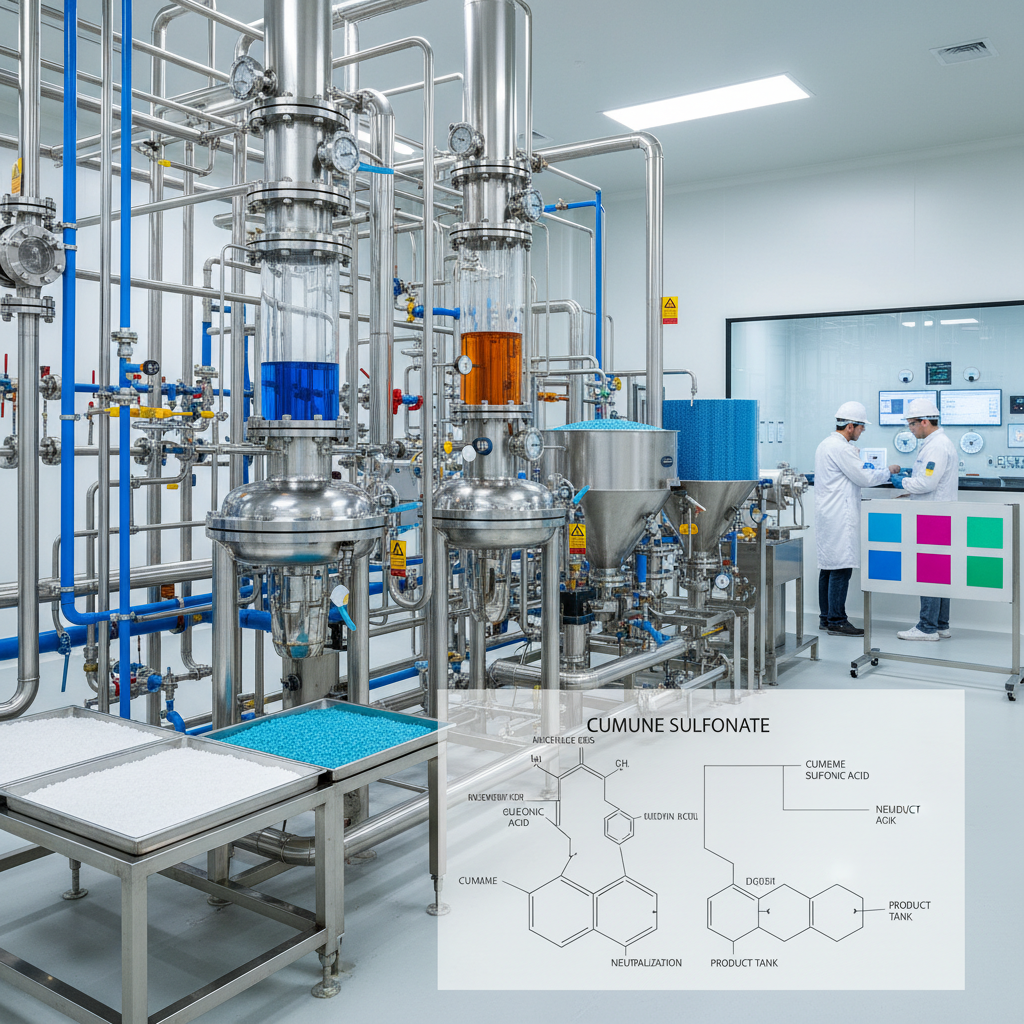
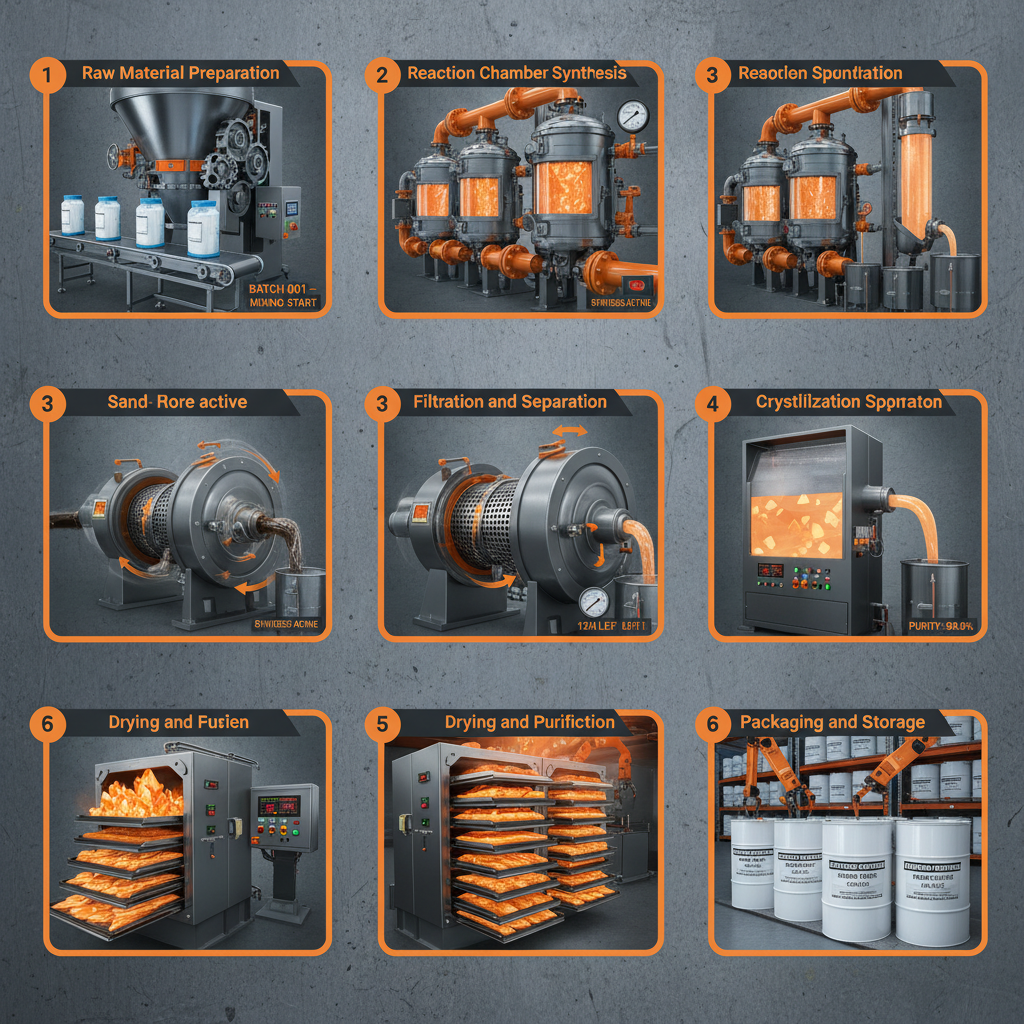
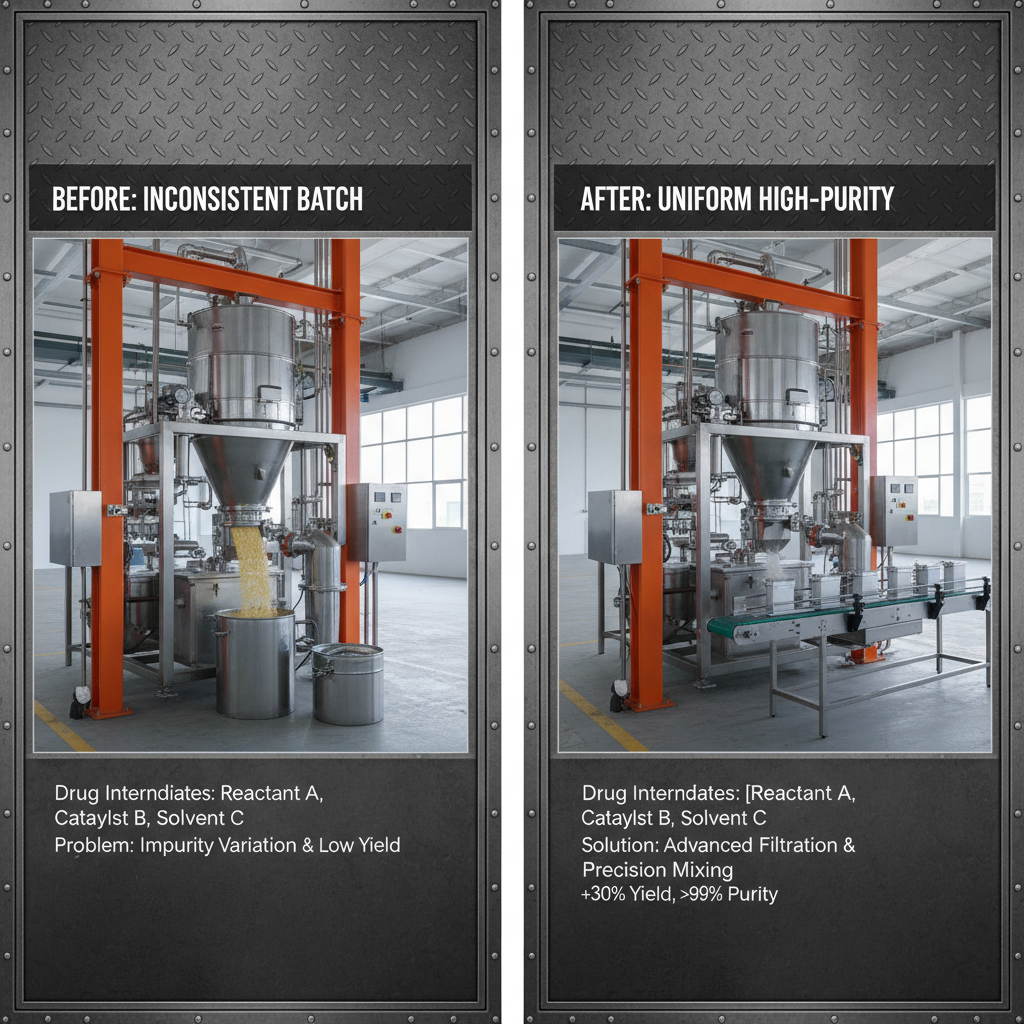
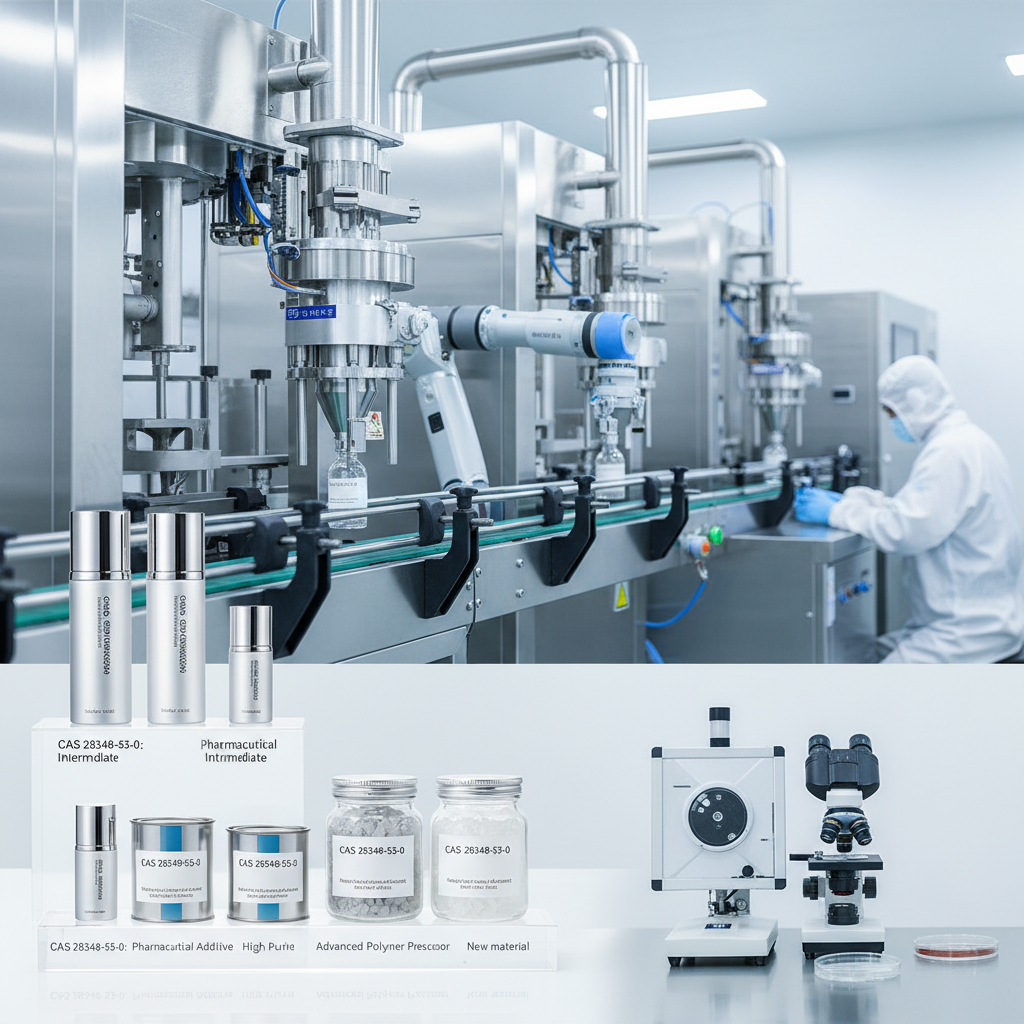
The pharmaceutical intermediate market is a crucial, yet often unseen, component of the global healthcare industry. It encompasses the production and supply of chemical compounds that are not themselves active pharmaceutical ingredients (APIs), but are essential building blocks in their creation. Understanding this market is vital for pharmaceutical companies, investors, and policymakers alike, as it directly impacts drug development timelines, production costs, and ultimately, patient access to life-saving medications. A robust and efficient pharmaceutical intermediate market is a cornerstone of a stable and innovative pharmaceutical sector.
Globally, the pharmaceutical intermediate market is experiencing significant growth, driven by factors such as the increasing demand for generic drugs, the rise of contract manufacturing organizations (CMOs), and the expanding pharmaceutical industry in emerging economies. According to recent reports, the market is projected to reach billions of dollars in the coming years, signifying its importance to the world economy. This growth creates opportunities for both established players and new entrants, but also presents challenges related to supply chain resilience, quality control, and regulatory compliance.
The significance of a streamlined pharmaceutical intermediate market extends beyond purely economic considerations. It plays a critical role in ensuring a consistent and secure supply of essential medicines, particularly during public health crises like pandemics. By understanding the intricacies of this market, stakeholders can proactively address potential bottlenecks, mitigate risks, and foster innovation that ultimately benefits global health. pharmaceutical intermediate market plays a vital role in global pharmaceutical production.
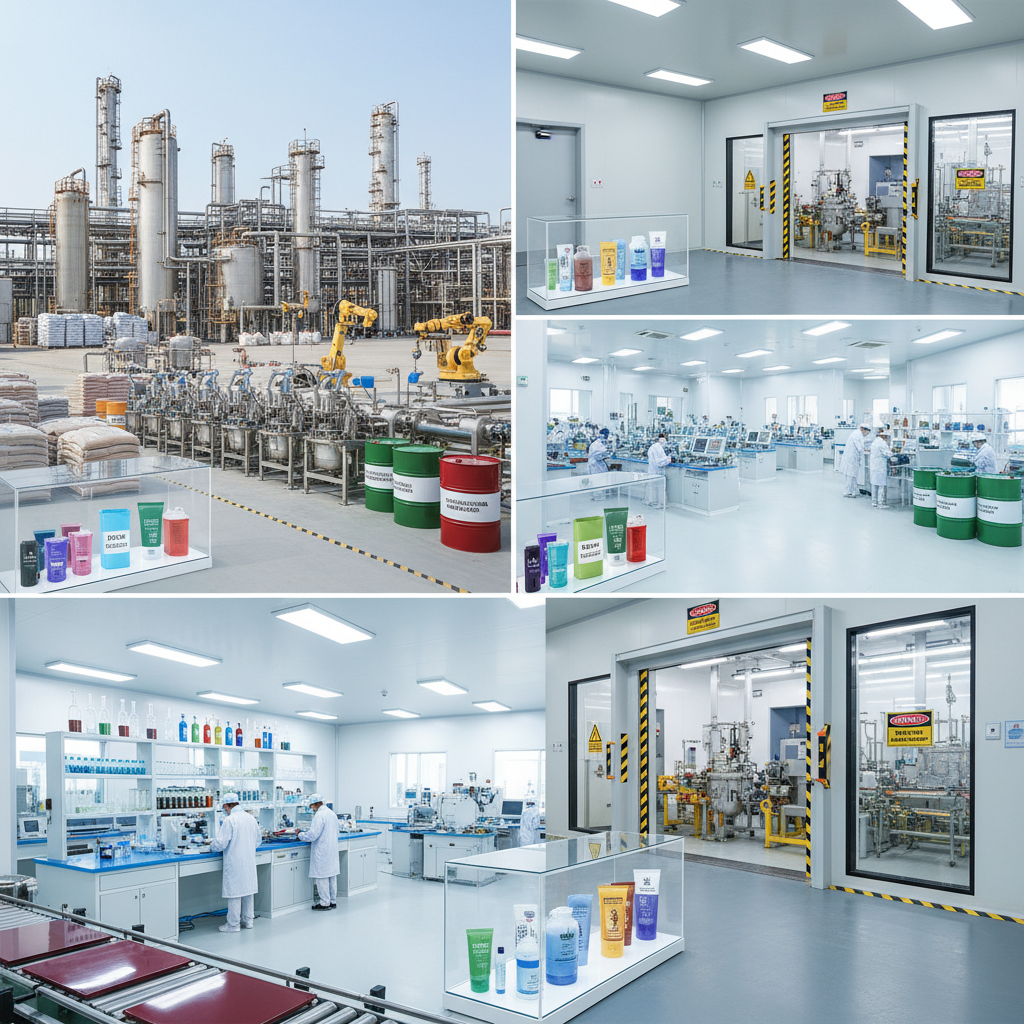
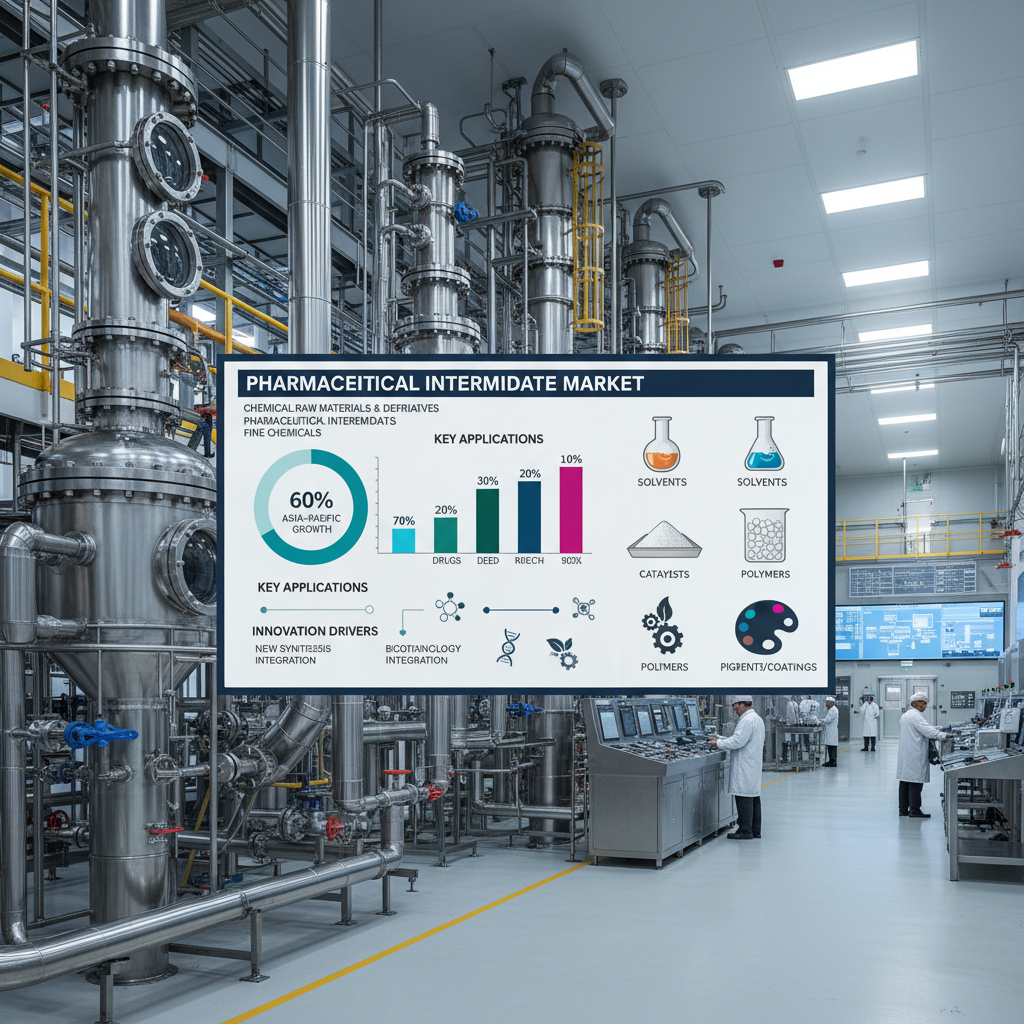
The pharmaceutical intermediate market is fundamentally a business-to-business (B2B) sector, where suppliers provide specialized chemical compounds to pharmaceutical manufacturers. These intermediates undergo further processing to become the APIs found in finished drug products. The complexity of these molecules requires specialized expertise in organic chemistry, process development, and analytical testing, creating a niche market demanding high levels of quality and reliability.
The market's structure is quite diverse, ranging from large multinational chemical companies to smaller, specialized manufacturers often based in regions with lower labor costs and favorable regulatory environments. This diversity presents both opportunities and challenges regarding supply chain security and quality assurance. Effective risk management and supplier qualification are paramount for pharmaceutical companies operating within this complex landscape.
Several factors contribute to the expanding pharmaceutical intermediate market, including the rising demand for generic pharmaceuticals, the increasing outsourcing of pharmaceutical manufacturing to Contract Manufacturing Organizations (CMOs), and the growth of the pharmaceutical industry in emerging economies like India and China. Moreover, innovation in drug development and a focus on more complex molecules necessitate sophisticated intermediates, further fueling market expansion. These developments increase the need for reliable suppliers and quality assurance measures.
Quality control is absolutely paramount in pharmaceutical intermediate manufacturing. Intermediates are direct precursors to APIs, and any impurities or inconsistencies can impact the safety and efficacy of the final drug product. Stringent quality control measures, including rigorous analytical testing, adherence to Good Manufacturing Practices (GMP), and thorough documentation, are essential to ensure the integrity of the supply chain and protect patient health. This is a non-negotiable aspect of the pharmaceutical intermediate market.
Relying on single-source suppliers poses significant risks to pharmaceutical manufacturers. Disruptions due to natural disasters, geopolitical instability, or supplier-specific issues (e.g., facility closures, quality problems) can lead to supply shortages and delays in drug production. This can have serious consequences for patient access to essential medications. Diversifying the supply base and establishing robust contingency plans are crucial mitigation strategies.
Regulatory requirements are becoming increasingly stringent for pharmaceutical intermediates, mirroring those applied to APIs. Regulatory agencies are focusing on traceability, quality control, and GMP compliance throughout the entire supply chain. Manufacturers must demonstrate robust quality systems and adhere to strict documentation standards to meet these requirements. Failure to comply can result in penalties, delays in product approvals, and damage to reputation.
Sustainability is playing an increasingly important role. There is a growing demand for "greener" chemistry practices, including the use of biocatalysis, flow chemistry, and environmentally friendly solvents. Reducing waste, minimizing energy consumption, and implementing responsible sourcing practices are becoming critical for companies seeking to differentiate themselves and meet the expectations of stakeholders. Sustainable practices are not just environmentally responsible but also often lead to cost savings.
Digitalization is revolutionizing the pharmaceutical intermediate supply chain. Technologies like blockchain are enhancing traceability and transparency, while advanced analytics and machine learning are optimizing manufacturing processes and predicting potential disruptions. Digital platforms are also facilitating communication and collaboration between suppliers, manufacturers, and regulators. These digital transformations lead to greater efficiency, improved quality control, and enhanced supply chain resilience.
The pharmaceutical intermediate market is a complex yet vital component of the global healthcare ecosystem. Its success hinges on a delicate balance of quality, cost-efficiency, reliability, and increasingly, sustainability. Understanding the key trends, challenges, and emerging technologies within this market is crucial for all stakeholders – from pharmaceutical manufacturers and suppliers to regulators and investors. A robust and resilient pharmaceutical intermediate market is not merely a commercial imperative, but a foundational element of public health.
Looking ahead, continued investment in innovation, digitalization, and sustainable practices will be essential to address the evolving demands of the pharmaceutical industry. Collaboration across the supply chain, coupled with a commitment to transparency and ethical sourcing, will be paramount in ensuring a secure and reliable supply of essential medicines for patients worldwide. To learn more about navigating this dynamic market, visit our website: www.kxdchem.com.