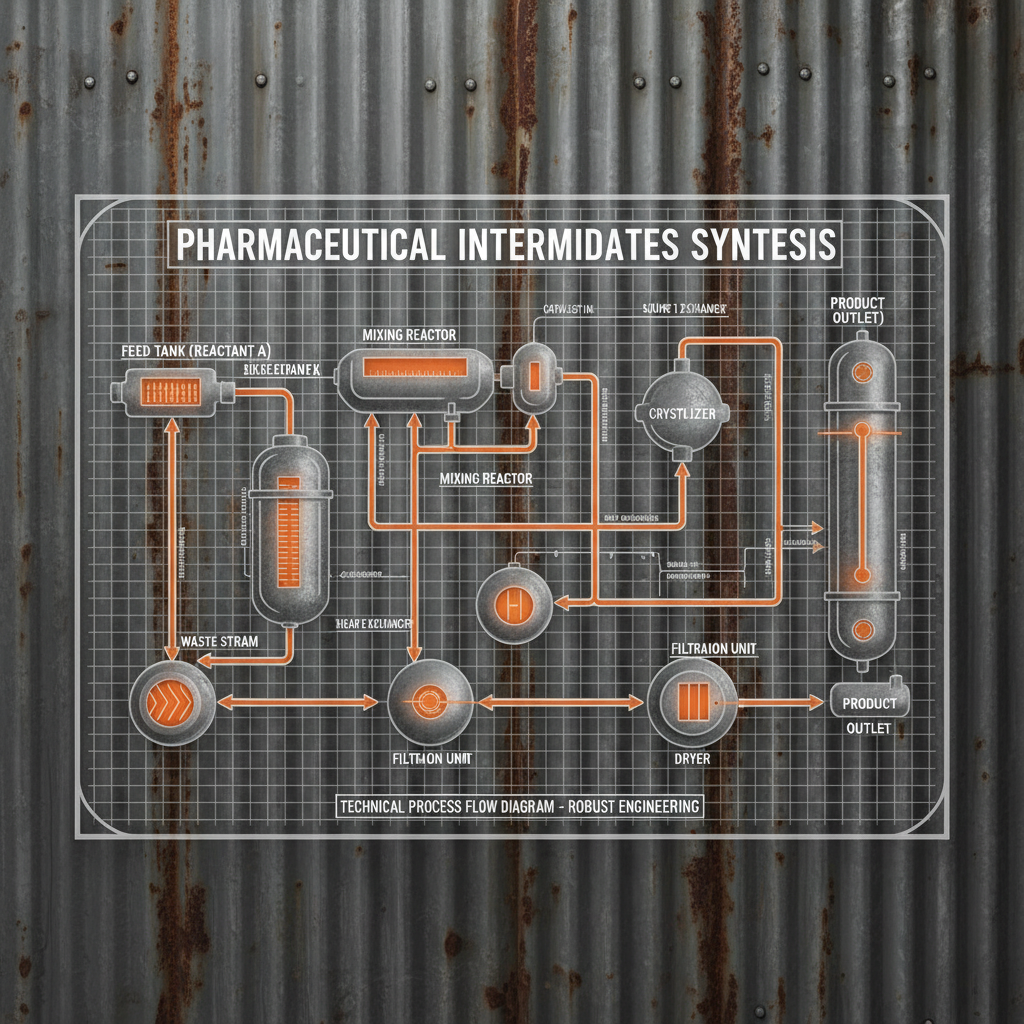
Drug intermediates are the crucial building blocks in the synthesis of active pharmaceutical ingredients (APIs), representing a significant segment of the pharmaceutical industry. Their quality, availability, and cost directly impact the final drug product. Understanding drug intermediates isn’t merely a technical necessity; it's fundamental to ensuring global access to affordable and effective medicines. The pharmaceutical landscape relies heavily on efficient and reliable sourcing of these compounds.
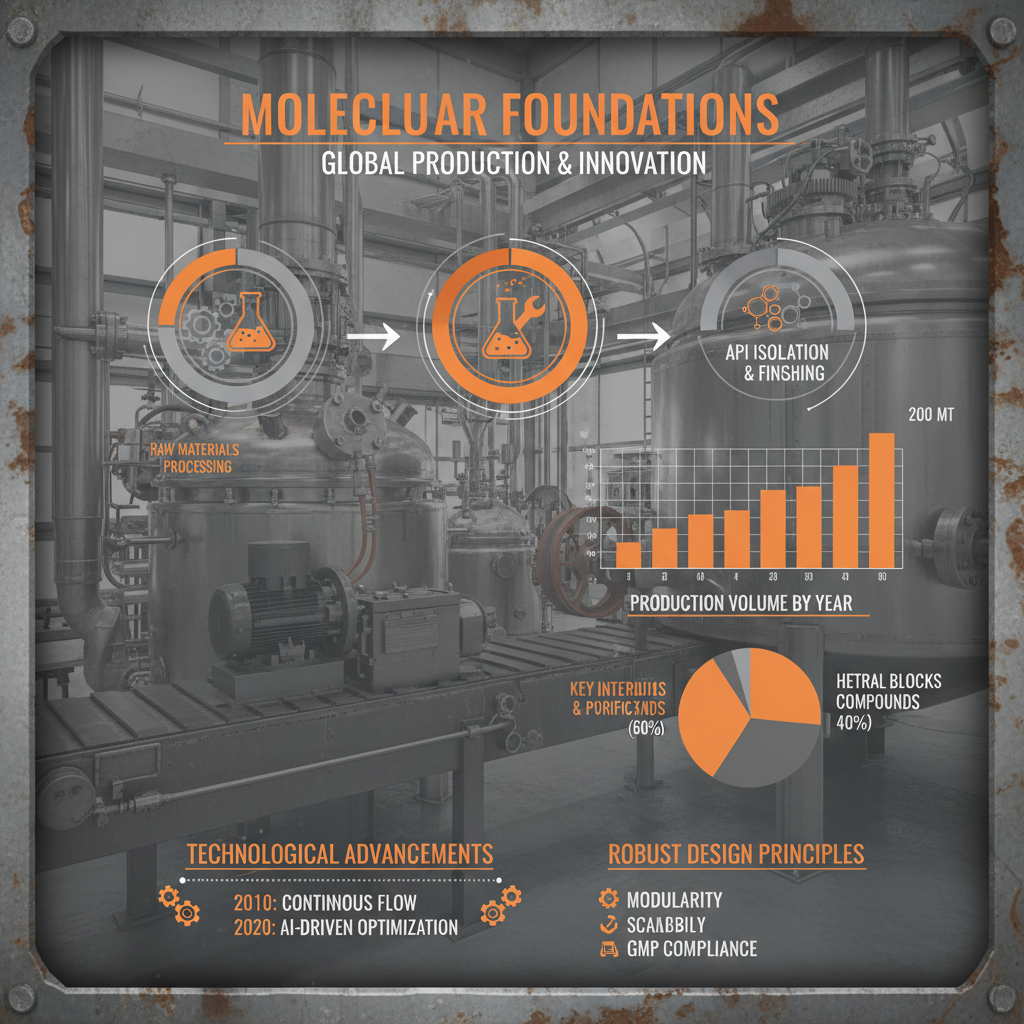
The global drug intermediate market is experiencing substantial growth, driven by factors such as increasing demand for generic drugs, rising prevalence of chronic diseases, and the outsourcing of pharmaceutical manufacturing to emerging economies. This growth presents both opportunities and challenges, including the need for stricter quality control, sustainable manufacturing processes, and secure supply chains. The complexities of regulatory compliance also add to this dynamic environment.
A thorough grasp of drug intermediates benefits researchers, manufacturers, regulatory bodies, and ultimately, patients. It's essential for fostering innovation, reducing production costs, and guaranteeing the safety and efficacy of medications worldwide. drug intermediates are the foundation of modern pharmacology.
Introduction to Drug Intermediates
Drug intermediates are not merely chemical compounds; they are the vital link between raw materials and finished pharmaceuticals. Their precise chemical structure and purity levels are paramount, directly influencing the efficacy and safety of the final drug. Understanding their role is crucial for optimizing manufacturing processes and ensuring quality control.
The complexity of API synthesis often necessitates multiple intermediate steps, each requiring meticulous optimization and control. Companies specializing in drug intermediates play a critical role in supporting pharmaceutical manufacturers globally, providing the specialized expertise and resources needed to navigate this intricate process.
Defining Drug Intermediates and Their Importance
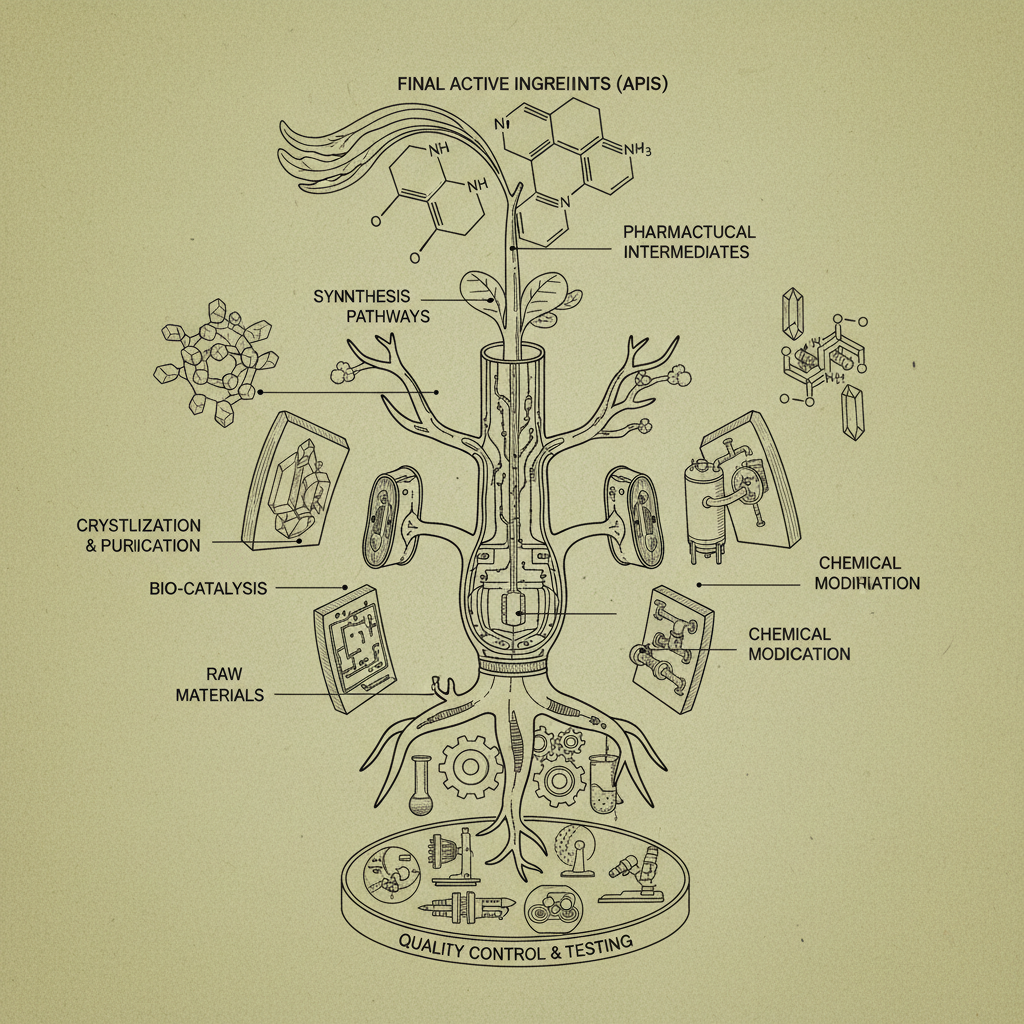
Drug intermediates, in simple terms, are compounds formed during the synthesis of an Active Pharmaceutical Ingredient (API). They are not the final drug substance itself, but rather stepping stones in the chemical process. These intermediates undergo further chemical transformations to eventually yield the API, the component responsible for the therapeutic effect of a medication.
The importance of drug intermediates stems from their direct impact on the quality, cost, and timeline of drug production. A poorly manufactured intermediate can lead to impurities in the final API, potentially compromising patient safety. Conversely, efficient intermediate production can significantly reduce manufacturing costs and accelerate the delivery of life-saving medications to those in need.
Modern pharmaceutical and humanitarian needs are deeply interwoven with the efficient and reliable production of high-quality drug intermediates. They are essential for ensuring a consistent supply of vital medications across the globe, addressing pressing health challenges and improving patient outcomes.
Key Factors in Drug Intermediate Manufacturing
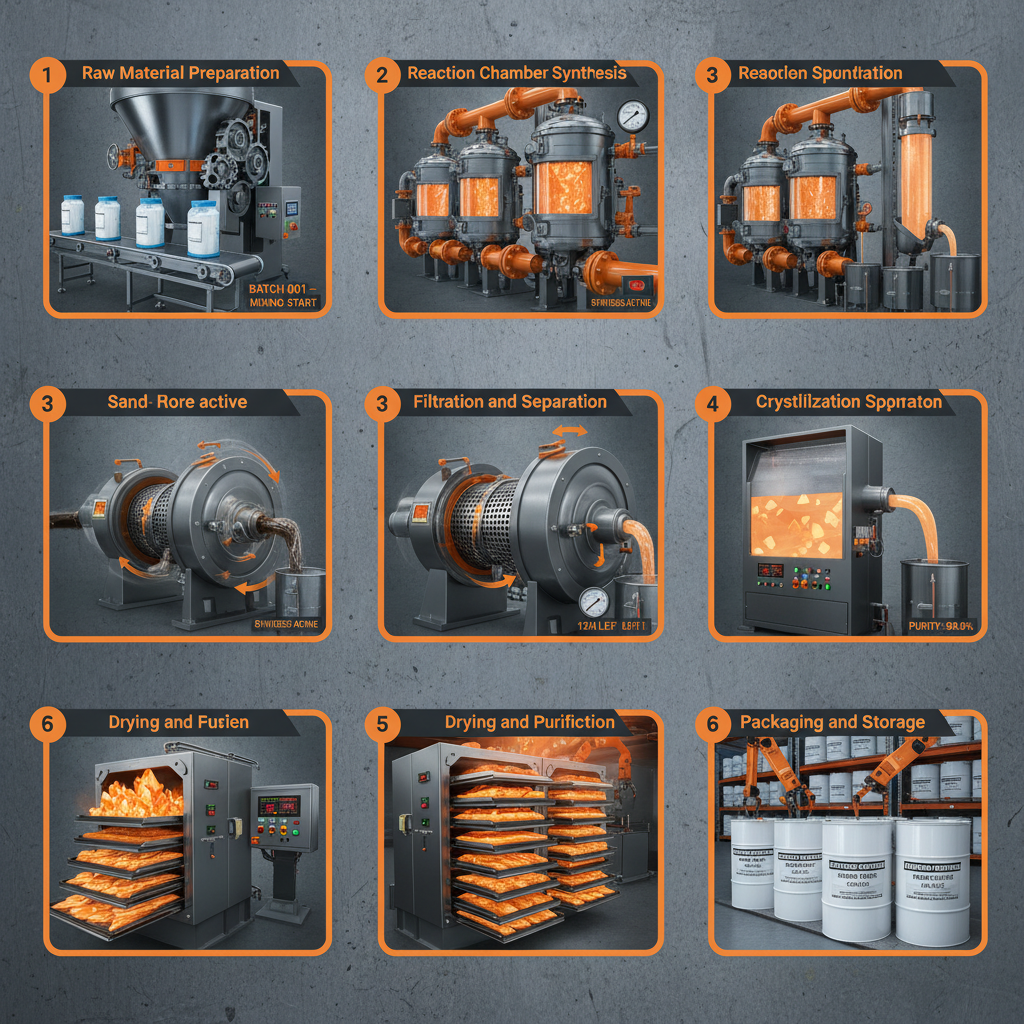
Several key factors contribute to successful drug intermediate manufacturing. Firstly, Purity is paramount. Intermediates must meet stringent purity standards to avoid introducing unwanted impurities into the final API. Secondly, Scalability is essential – the manufacturing process must be capable of being scaled up to meet increasing demand without compromising quality.
Cost-Effectiveness is another crucial consideration. Pharmaceutical companies are constantly seeking ways to reduce manufacturing costs, and optimizing intermediate production is a key strategy. This involves efficient raw material sourcing, process optimization, and waste reduction. Finally, Regulatory Compliance is non-negotiable. Drug intermediate manufacturers must adhere to strict regulatory guidelines set forth by agencies like the FDA and EMA.
Process Safety is also a vital factor. Many chemical reactions involved in intermediate production can be hazardous. Ensuring a safe working environment and preventing accidents requires robust safety protocols and well-trained personnel. And lastly, Analytical Capabilities are crucial for verifying the quality and purity of intermediates at each stage of the manufacturing process.
Global Applications and Use Cases of Drug Intermediates
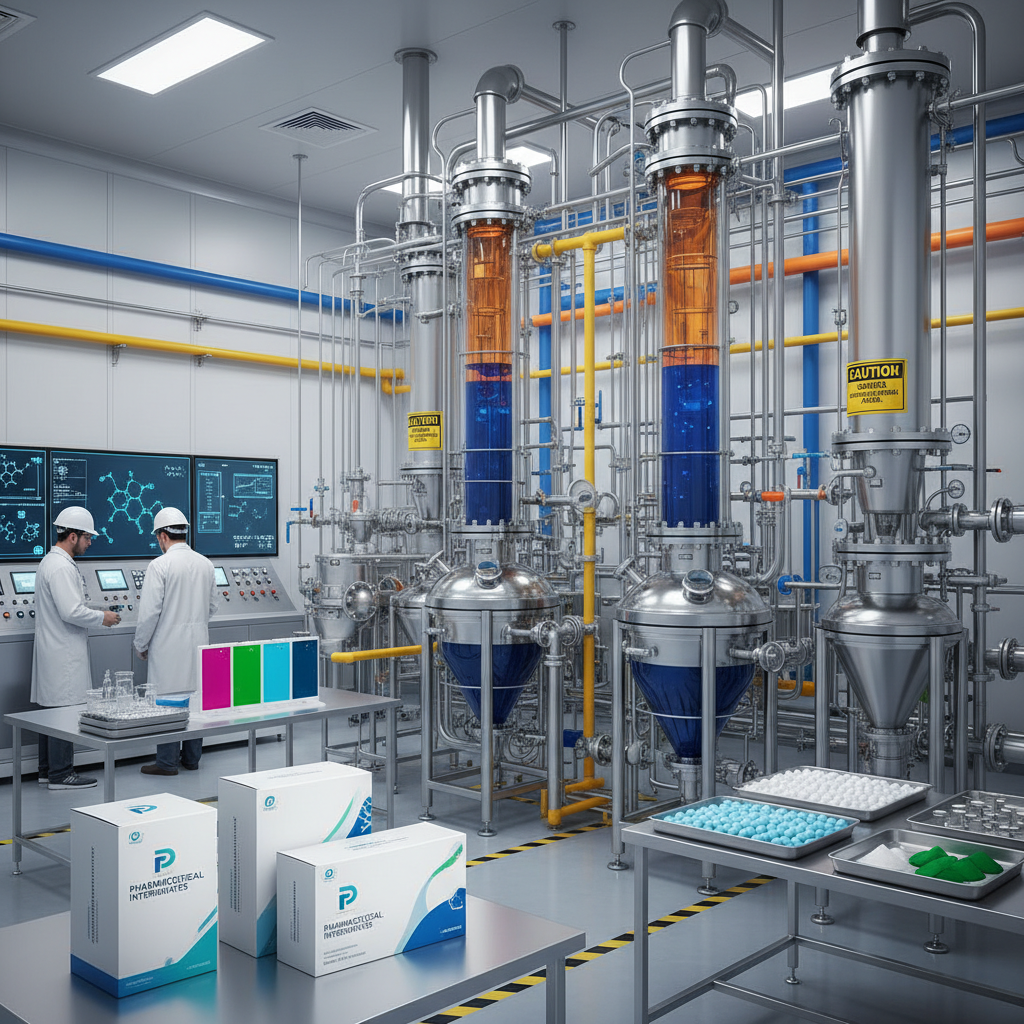
Drug intermediates find widespread application across the entire pharmaceutical industry. They are essential for the production of a vast array of medications, including antibiotics, antivirals, cardiovascular drugs, and cancer therapies. Different pharmaceutical companies may specialize in producing intermediates for specific therapeutic areas.
Globally, major manufacturing hubs for drug intermediates include India, China, and Europe. These regions benefit from established chemical industries, skilled labor forces, and favorable regulatory environments. The use of intermediates often extends to contract manufacturing organizations (CMOs) supporting larger pharmaceutical firms.
In post-disaster relief operations, access to essential medicines depends heavily on a secure supply of drug intermediates. In remote industrial zones, local production of intermediates can reduce dependence on imports and enhance self-sufficiency. Moreover, research and development labs require drug intermediates for the synthesis of novel compounds and the exploration of new therapeutic possibilities.
Drug Intermediate Method Performance
Advantages and Long-Term Value of Utilizing Quality Intermediates
Employing high-quality drug intermediates translates into tangible benefits across the pharmaceutical value chain. Cost savings are significant, stemming from reduced waste, fewer rework cycles, and minimized risk of batch failures. Sustainability is enhanced through optimized processes and reduced environmental impact.
Beyond the economic advantages, there's a profound social impact. Reliable access to quality medicines improves public health outcomes and strengthens healthcare systems. The use of validated intermediates builds trust between pharmaceutical companies, regulatory agencies, and ultimately, patients, fostering confidence in the medications they consume.
Future Trends and Innovations in Drug Intermediate Production
The future of drug intermediate production is marked by several exciting trends. Green chemistry principles are gaining prominence, focusing on environmentally friendly and sustainable manufacturing processes. Digital transformation, including the use of artificial intelligence and machine learning, is optimizing process control and improving efficiency.
Continuous manufacturing is emerging as a disruptive technology, offering advantages over traditional batch processing. Automation and robotics are streamlining operations and reducing labor costs. Furthermore, advanced analytical techniques are enabling real-time monitoring of intermediate quality, ensuring consistent product standards.
Challenges and Solutions in Drug Intermediate Supply Chains
Drug intermediate supply chains face several challenges. Geopolitical instability and disruptions, such as natural disasters or pandemics, can impact sourcing and lead to shortages. Maintaining consistent quality across multiple suppliers is also a significant concern.
Solutions include diversifying sourcing, building strategic partnerships with reliable suppliers, and investing in robust quality control systems. Implementing advanced supply chain visibility technologies can provide real-time tracking of intermediates and proactively mitigate potential disruptions. Adopting circular economy principles – reusing and recycling materials – can contribute to sustainability and resilience.
Strengthening collaboration between pharmaceutical companies, intermediate manufacturers, and regulatory agencies is vital for addressing these challenges and ensuring a secure and sustainable supply of essential medicines.
Key Factors for Assessing Drug Intermediate Suppliers
| Supplier Reputation & Experience |
Quality Control Systems |
Regulatory Compliance |
Supply Chain Security |
| Years in business, client testimonials, industry recognition. |
ISO certifications, analytical capabilities, documented procedures. |
FDA inspections, adherence to GMP guidelines, DMF filing status. |
Geographical diversification, risk mitigation strategies, inventory management. |
| Track record of consistent quality and on-time delivery. |
Detailed impurity profiling, comprehensive testing data, robust documentation. |
Evidence of proactive communication with regulatory agencies. |
Secure warehousing and transportation protocols, contingency planning. |
| Financial stability and long-term viability. |
Validation of analytical methods, adherence to pharmacopoeial standards. |
Demonstrated commitment to ethical sourcing and responsible manufacturing. |
Transparency in sourcing raw materials. |
| Responsiveness to customer inquiries and technical support. |
Change control procedures, deviation handling protocols, CAPA systems. |
Regular audits and inspections to ensure ongoing compliance. |
Ability to trace materials back to their origin. |
| Capacity to meet future demand and scale up production. |
Qualified personnel and continuous training programs. |
Commitment to continuous improvement and innovation. |
Resilience to potential disruptions and force majeure events. |
| Flexible manufacturing capabilities to accommodate custom synthesis requests. |
Establishment of acceptable quality limits (AQLs) and specifications. |
Implementation of a robust data integrity system. |
Proactive communication regarding potential risks and challenges. |
FAQS
Lead times for custom drug intermediates vary significantly depending on the complexity of the synthesis, the required quantity, and the availability of raw materials. Generally, you can expect a lead time of 8-24 weeks, but this is just an estimate. A detailed project assessment, including a thorough evaluation of the synthetic route and required resources, is essential for providing an accurate timeline. We at drug intermediates prioritize clear communication and transparent project management throughout the entire process.
We employ a comprehensive quality control system that adheres to stringent regulatory guidelines, including GMP standards. This involves rigorous testing at each stage of the manufacturing process, utilizing advanced analytical techniques such as HPLC, GC-MS, and NMR. We provide detailed Certificates of Analysis (COAs) with every shipment, guaranteeing the purity and identity of the compound. Our commitment to quality extends to our supply chain management, ensuring only approved vendors are used.
Yes, we offer comprehensive analytical method development and validation services to support our customers’ needs. Our experienced analytical chemists can develop and validate methods for impurity profiling, assay determination, and identification of drug intermediates. We ensure that all methods meet the requirements of regulatory agencies, and we provide complete documentation for audit purposes. This service is crucial for ensuring the reliability and accuracy of your results.
We understand the critical importance of protecting our customers’ intellectual property. We have robust confidentiality agreements and security protocols in place to ensure that all information shared with us remains strictly confidential. Our facilities are secured, and access to sensitive data is limited to authorized personnel only. We operate under strict ethical guidelines and prioritize the protection of our clients’ innovations.
Yes, we have the capacity to handle both small-scale and large-scale production of drug intermediates. Our manufacturing facilities are equipped with a range of reactor sizes and processing equipment, allowing us to efficiently scale up production to meet your specific requirements. We have a proven track record of successfully managing large-volume orders while maintaining consistent quality and adhering to strict timelines. drug intermediates scaling capabilities can be customized to meet your needs.
With each shipment of drug intermediates, we provide a comprehensive set of documentation, including a Certificate of Analysis (COA), Material Safety Data Sheet (MSDS), and a batch record. The COA details the analytical results for each batch, confirming its purity and identity. The MSDS provides information on the safe handling and storage of the compound. We also offer comprehensive regulatory support documentation upon request, including DMFs where applicable.
Conclusion
In conclusion, drug intermediates represent a cornerstone of the pharmaceutical industry, impacting everything from drug affordability and accessibility to patient safety and treatment efficacy. Understanding the key factors governing their manufacturing, the global applications they support, and the future trends shaping their production is crucial for all stakeholders. Investing in high-quality intermediates, embracing innovative technologies, and fostering collaborative partnerships are essential for ensuring a sustainable and resilient pharmaceutical supply chain.
Looking ahead, a commitment to green chemistry principles, continuous manufacturing, and digital transformation will be paramount. By proactively addressing the challenges and leveraging the opportunities presented by these advancements, we can unlock the full potential of drug intermediates and pave the way for the development of life-saving medications for generations to come. Visit our website at www.kxdchem.com to learn more about how we can support your drug development and manufacturing needs.