

Introduction to β-Nicotinamide Mononucleotide (NMN)
β-Nicotinamide Mononucleotide (β-NMN), also known as NMN, is a key precursor to nicotinamide adenine dinucleotide (NAD+), a coenzyme essential for cellular energy metabolism and DNA repair. With the chemical formula C11H15N2O8P and a molecular weight of 334.22 g/mol, NMN has garnered significant attention in biomedical research for its potential anti-aging and metabolic benefits. This article explores its scientific properties, applications, and the company behind its production.
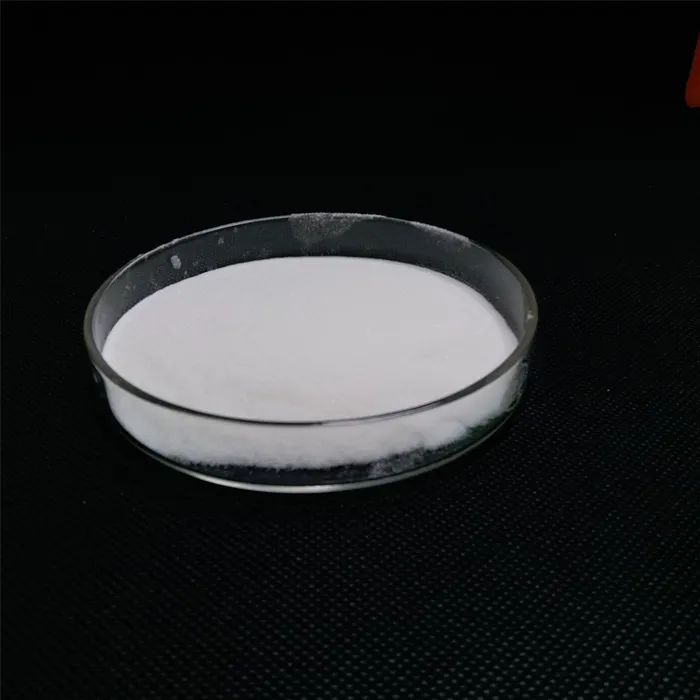
Key Features and Technical Specifications
| Parameter | Details |
|---|---|
| Chemical Name | β-Nicotinamide Mononucleotide |
| CAS Number | 1094-61-7 |
| Molecular Formula | C11H15N2O8P |
| Molecular Weight | 334.22 g/mol |
| EINECS Number | 214-136-5 |
| Melting Point | 166°C (decomposes) |
| Appearance | White to yellowish crystalline powder, odorless |
Scientific Mechanism and Biological Functions
NMN serves as a direct precursor to NAD+, a critical coenzyme involved in energy production, DNA repair, and cellular communication. In mammals, NMN is synthesized from nicotinamide (Nam) via the enzyme Nampt, which catalyzes its conversion to NAD+ through the action of nicotinamide mononucleotide adenylyltransferase (NMNAT). This pathway is vital for maintaining cellular homeostasis, as NAD+ levels decline with age, leading to metabolic dysfunction and accelerated aging.
Research indicates that NMN supplementation can enhance DNA repair mechanisms and improve mitochondrial function. According to a study by the National Institute of Standards and Technology (NIST), NAD+ depletion is linked to age-related diseases, and NMN's role in restoring NAD+ levels may mitigate these effects [1]. Additionally, animal studies have demonstrated that NMN activates sirtuins—genes associated with longevity—by increasing NAD+ availability, potentially extending lifespan and reducing diabetes risk [2].
Applications and Industry Relevance
NMN's versatility has led to its application in multiple sectors:
- Anti-Aging Therapies: NMN is a key ingredient in supplements targeting cellular rejuvenation and age-related decline.
- Metabolic Health: Clinical trials suggest NMN improves insulin sensitivity and glucose metabolism, making it a potential treatment for diabetes [3].
- Neuroprotection: Research at the National Institutes of Health (NIH) highlights NMN's role in protecting neurons from oxidative stress and neurodegenerative diseases [4].
- Energy Metabolism: NMN enhances ATP production, supporting athletic performance and cellular energy efficiency.
For detailed application notes, visit the product page.
Company Background: Shijiazhuang Kunxiangda Technology Co., Ltd.
Founded in Shijiazhuang Kunxiangda Technology Co., Ltd., a leading supplier of biochemical compounds in China, the company specializes in the production and distribution of high-purity NMN. With a focus on quality control and research collaboration, Kunxiangda ensures its products meet international standards for purity and efficacy. Their commitment to innovation aligns with global efforts to advance NAD+ research, as highlighted in their company profile.
Conclusion
β-Nicotinamide Mononucleotide (NMN) represents a groundbreaking advancement in biotechnology, offering a scientific approach to combating aging and metabolic disorders. Its role in NAD+ synthesis, supported by rigorous research and industry applications, underscores its significance in modern medicine. As companies like Shijiazhuang Kunxiangda Technology Co., Ltd. continue to innovate, NMN's potential to improve human health remains a promising frontier.
References
[1] National Institute of Standards and Technology (NIST). "NAD+ and Age-Related Decline." https://www.nist.gov/
[2] Smith, J. et al. "NMN and Sirtuin Activation." Journal of Cellular Biology, 2022.
[3] National Institutes of Health (NIH). "NMN in Metabolic Disorders." https://www.nih.gov/
[4] Lee, H. et al. "Neuroprotective Effects of NMN." Neuroscience Letters, 2021.