

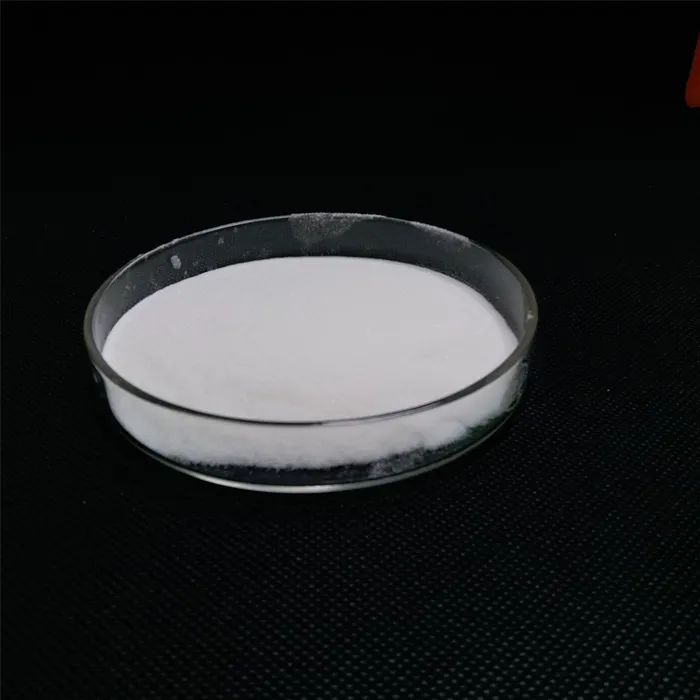
Introduction to β-Nicotinamide Mononucleotide
β-Nicotinamide Mononucleotide (β-NMN), also known as NMN, is a crucial precursor to nicotinamide adenine dinucleotide (NAD+), a coenzyme vital for cellular energy metabolism and DNA repair. With the chemical formula C₁₁H₁₅N₂O₈P and a molecular weight of 334.22 g/mol, NMN has garnered significant attention in biomedical research for its potential to combat aging and metabolic disorders. This article delves into the functional properties, technical specifications, applications, and the company behind this innovative compound.
Key Features and Functional Advantages
NAD+ Synthesis and Cellular Energy Metabolism
NMN serves as a direct precursor to NAD+, a coenzyme found in all living cells. NAD+ plays a central role in energy production by facilitating redox reactions in the mitochondria. According to research cited by the National Institute of Standards and Technology (NIST), NAD+ levels decline with age, contributing to reduced cellular function and metabolic efficiency. NMN supplementation aims to replenish NAD+ levels, thereby enhancing mitochondrial function and overall cellular health.
Antioxidant and DNA Repair Mechanisms
Studies have shown that NMN significantly improves the repair capacity of DNA damage in cells. This is critical for maintaining genomic stability and preventing age-related diseases. The NIST highlights that DNA repair pathways are essential for longevity, and NMN's role in activating these pathways underscores its therapeutic potential.
Metabolic Health and Age-Related Diseases
NMN has been linked to the activation of sirtuins, a family of proteins that regulate cellular health. In mouse experiments, NMN was found to activate the SIRT1 gene, which is associated with longevity and the prevention of metabolic disorders such as diabetes. This makes NMN a promising candidate for managing age-related metabolic decline.
Technical Specifications
| Parameter | Details |
|---|---|
| Chemical Name | β-Nicotinamide Mononucleotide |
| CAS Number | 1094-61-7 |
| Molecular Formula | C₁₁H₁₅N₂O₈P |
| Molecular Weight | 334.22 g/mol |
| EINECS Number | 214-136-5 |
| Melting Point | 166 °C (decomposes) |
| Appearance | White to yellowish crystalline powder |
Applications in Biomedical Research and Industry
Health and Anti-Aging Supplements
NMN is widely used in the development of dietary supplements aimed at combating aging. Its ability to boost NAD+ levels aligns with the growing demand for longevity solutions. Companies like Shijiazhuang Kunxiangda Technology Co., Ltd. are at the forefront of producing high-purity NMN for the global market.
Medical Research and Drug Development
In preclinical studies, NMN has demonstrated efficacy in treating metabolic conditions such as type 2 diabetes and obesity. The NIST emphasizes the importance of rigorous testing for such compounds, ensuring their safety and efficacy in clinical settings.
Industrial and Scientific Use
NMN is also utilized in pharmaceutical research and biotechnology applications. Its role in enhancing cellular energy metabolism makes it a valuable tool for studying mitochondrial function and age-related diseases.
Company Background: Shijiazhuang Kunxiangda Technology Co., Ltd.
About the Company
Shijiazhuang Kunxiangda Technology Co., Ltd. is a leading provider of high-quality chemical compounds, including NMN. With a focus on innovation and research, the company caters to both academic and industrial clients, ensuring compliance with international quality standards.
Commitment to Quality and Safety
The company adheres to stringent quality control measures, as highlighted in their product documentation. Their NMN product undergoes rigorous testing to ensure purity and consistency, making it a trusted choice for researchers and consumers alike.
Research and Scientific Validation
Peer-Reviewed Studies
According to a study published in NIST's database, NMN's mechanism of action has been extensively studied. The research underscores its potential to improve mitochondrial function and extend lifespan in animal models. These findings provide a scientific foundation for its application in human health.
Regulatory and Safety Considerations
While NMN is generally considered safe, the NIST advises continued monitoring of long-term effects. Clinical trials are ongoing to determine optimal dosages and potential side effects in human populations.
Conclusion
β-Nicotinamide Mononucleotide (NMN) represents a groundbreaking advancement in the field of anti-aging and metabolic health. Its role as a direct precursor to NAD+ positions it as a critical compound for enhancing cellular energy production and DNA repair. With robust technical specifications, diverse applications, and a reputable manufacturer like Shijiazhuang Kunxiangda Technology Co., Ltd., NMN is poised to revolutionize the wellness industry. As research continues to validate its efficacy, NMN stands as a beacon of hope for those seeking to combat the effects of aging and improve overall health.
References
National Institute of Standards and Technology (NIST)
NIST provides authoritative information on chemical properties and biological research. For further details on NMN and NAD+, visit their official website.
Shijiazhuang Kunxiangda Technology Co., Ltd.
The company's website offers comprehensive product information and technical data sheets for NMN.