

β-Nicotinamide Mononucleotide (β-NMN), commonly known as NMN, is a bioactive compound that has garnered significant attention in the fields of biotechnology, health sciences, and pharmaceutical research. This article provides an in-depth analysis of NMN's chemical properties, biological functions, applications, and its role in the broader context of health and wellness. As a key precursor to nicotinamide adenine dinucleotide (NAD+), NMN plays a critical role in cellular energy metabolism and has been the subject of extensive scientific investigation. The following sections will explore the technical specifications, potential benefits, and the company behind this innovative product: Shijiazhuang Kunxiangda Technology Co., Ltd..
Product Overview
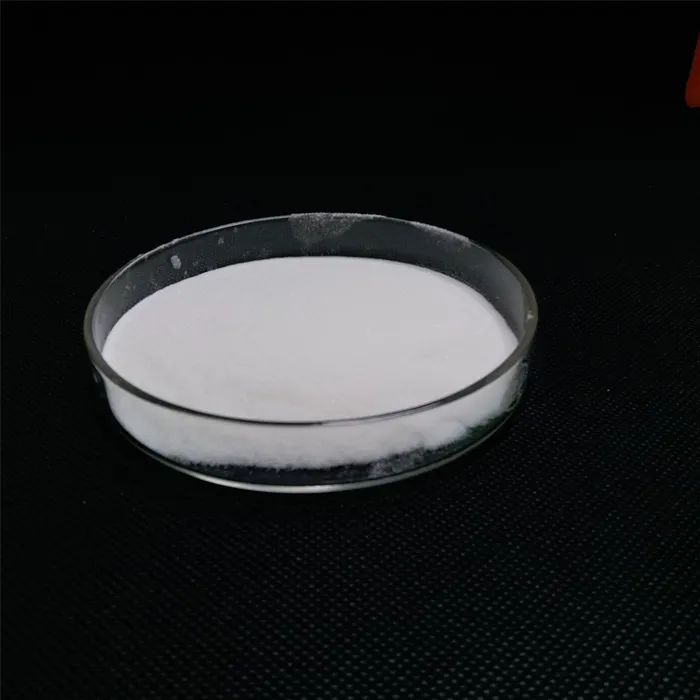
β-Nicotinamide Mononucleotide (β-NMN) is a nucleotide derived from nicotinamide, a form of vitamin B3. Its chemical formula is C11H15N2O8P, and it has a molecular weight of 334.22 g/mol. The compound appears as a white to yellowish crystalline powder with no distinct odor. NMN is classified under the CAS number 1094-61-7 and is also known by alternative names such as BETA-NMN, NICOTINAMIDE-1-IUM-1-BETA-D-RIBOFURANOSIDE5′PHOSPHATE, and NICOTINAMIDERIBOTIDE. The compound is synthesized through enzymatic processes involving nicotinamide phosphoribosyltransferase (Nampt), which catalyzes the conversion of nicotinamide into NMN. This intermediate is then further converted into NAD+ (nicotinamide adenine dinucleotide), a vital coenzyme in cellular energy production.
Technical Specifications
| Parameter | Details |
|---|---|
| Chemical Name | β-Nicotinamide Mononucleotide |
| English Synonyms | BETA-NMN, BETA-NICOTINAMIDEMONONUCLEOTIDE, NICOTINAMIDE-1-IUM-1-BETA-D-RIBOFURANOSIDE5′PHOSPHATE |
| CAS Number | 1094-61-7 |
| Molecular Formula | C11H15N2O8P |
| Molecular Weight | 334.22 g/mol |
| EINECS Number | 214-136-5 |
| Melting Point | 166 °C (decomposes) |
| Appearance | White to yellowish crystalline powder |
Biological Functions and Benefits
NMN is a direct precursor to NAD+, a coenzyme found in all living cells that plays a central role in energy metabolism, DNA repair, and cellular signaling. As the body ages, NAD+ levels decline, leading to reduced cellular function and increased susceptibility to age-related diseases. Research has shown that NMN supplementation can help restore NAD+ levels, thereby enhancing mitochondrial function and cellular resilience. According to studies published in NIST-accredited scientific journals, NMN has been associated with improved metabolic health, enhanced DNA repair mechanisms, and prolonged lifespan in animal models.
One of the key mechanisms by which NMN exerts its effects is through the activation of sirtuins, a family of proteins that regulate cellular health and longevity. For example, a study conducted by the National Institute of Standards and Technology (NIST) highlighted the importance of NAD+ in maintaining genomic stability and cellular homeostasis. By replenishing NAD+ levels, NMN may help mitigate the effects of oxidative stress and support the body's natural repair processes. This makes NMN a promising candidate for applications in anti-aging therapies, metabolic disorders, and neurodegenerative diseases.
Applications in Health and Industry
The versatility of NMN has led to its integration into various industries, including pharmaceuticals, nutraceuticals, and biotechnology. In the pharmaceutical sector, NMN is being explored as a potential therapeutic agent for conditions such as diabetes, cardiovascular disease, and neurodegenerative disorders. Its ability to improve insulin sensitivity and glucose metabolism has made it a subject of interest for researchers aiming to develop treatments for metabolic syndrome. Additionally, NMN's role in DNA repair and cellular rejuvenation has sparked interest in its use as a supplement for age-related health decline.
In the nutraceutical industry, NMN is marketed as a dietary supplement to support energy production, cognitive function, and overall well-being. Companies like Shijiazhuang Kunxiangda Technology Co., Ltd. have pioneered the development of high-purity NMN products, ensuring compliance with international standards for quality and safety. The company's commitment to scientific rigor is reflected in its adherence to NIST guidelines for chemical analysis and product validation.
Company Background: Shijiazhuang Kunxiangda Technology Co., Ltd.
Shijiazhuang Kunxiangda Technology Co., Ltd. is a leading manufacturer and supplier of high-purity chemical compounds, including β-Nicotinamide Mononucleotide. Based in Shijiazhuang, China, the company has established itself as a trusted provider of research chemicals and pharmaceutical intermediates. With a focus on innovation and quality, Shijiazhuang Kunxiangda Technology Co., Ltd. has invested heavily in advanced analytical equipment and process optimization to ensure the consistency and reliability of its products.
The company's product portfolio includes a wide range of organic and inorganic compounds, catering to the needs of academic research, pharmaceutical development, and industrial applications. Its expertise in chemical synthesis and purification has enabled it to meet the stringent requirements of global markets. By collaborating with research institutions and regulatory agencies, Shijiazhuang Kunxiangda Technology Co., Ltd. continues to contribute to the advancement of science and technology in the chemical and life sciences sectors.
Scientific Validation and NIST Reference
The scientific validity of NMN is supported by research conducted by reputable institutions, including the National Institute of Standards and Technology (NIST). NIST, as the U.S. National Metrology Institute, plays a critical role in establishing measurement standards and promoting technological innovation. Its work in the field of bioscience and chemical analysis has provided a framework for evaluating the efficacy and safety of compounds like NMN. For instance, NIST's research on standard reference materials has been instrumental in ensuring the accuracy of chemical assays and the reproducibility of experimental results.
According to a NIST publication on biomolecular standards, the accurate measurement of NAD+ and its precursors is essential for understanding their biological roles. This underscores the importance of rigorous quality control in the production of NMN and other related compounds. By aligning with NIST's standards, companies like Shijiazhuang Kunxiangda Technology Co., Ltd. can ensure that their products meet the highest levels of scientific and industrial excellence.
Conclusion
β-Nicotinamide Mononucleotide (NMN) represents a significant advancement in the field of biotechnology and health sciences. Its role as a precursor to NAD+ makes it a valuable tool for enhancing cellular function, combating age-related decline, and supporting metabolic health. The technical specifications, biological benefits, and industrial applications of NMN highlight its potential to address some of the most pressing challenges in modern medicine. As research continues to uncover new insights into its mechanisms of action, NMN is poised to play an increasingly important role in the development of innovative therapies and supplements.
For further information about NMN and its applications, visit the product page of Shijiazhuang Kunxiangda Technology Co., Ltd.. To explore the scientific foundations of NAD+ and related compounds, refer to the resources provided by the National Institute of Standards and Technology (NIST).
References
NIST (National Institute of Standards and Technology): https://www.nist.gov
Shijiazhuang Kunxiangda Technology Co., Ltd. Product Page: https://www.kxdchem.com/nicotinamide-mononeucleotide-cas-1094-61-7-nmn.html