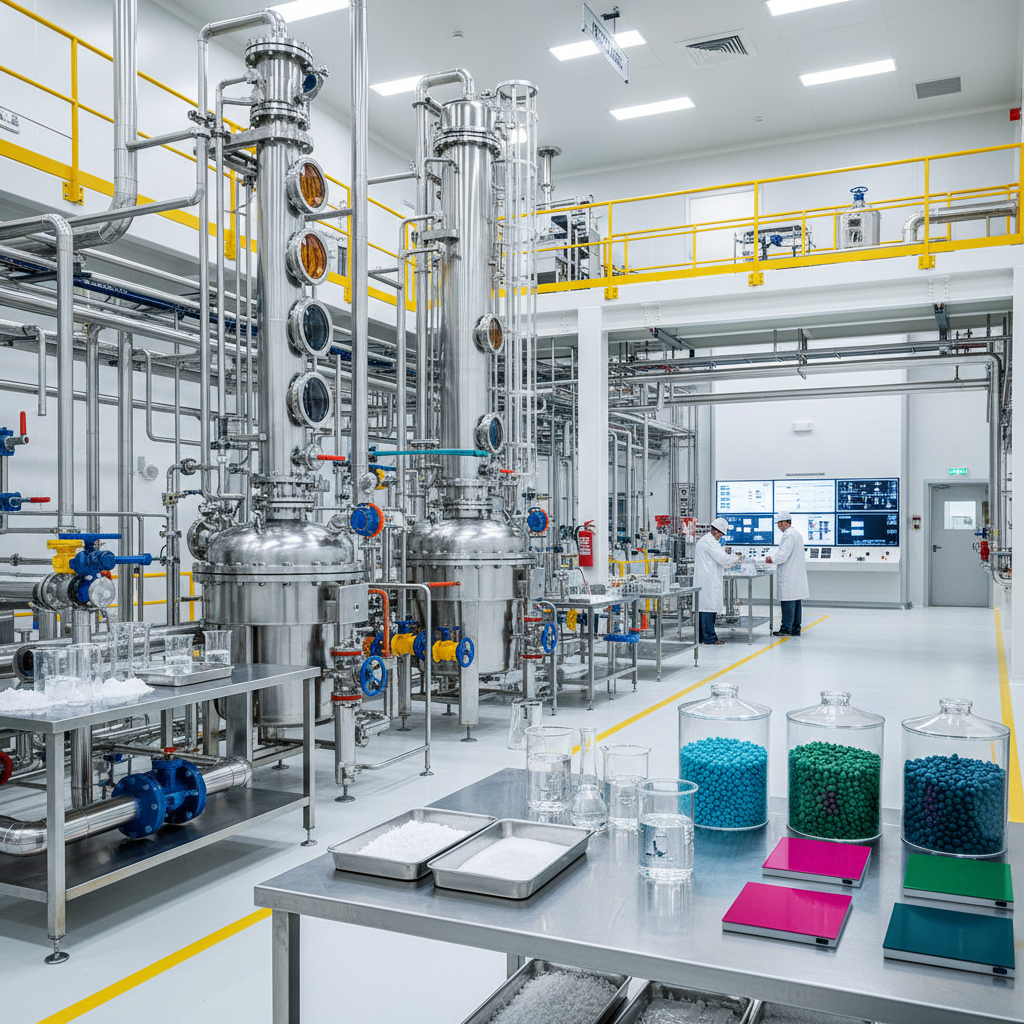
Pharmaceutical intermediates are the building blocks for creating active pharmaceutical ingredients (APIs), the components responsible for a drug’s therapeutic effect. Understanding what are pharmaceutical intermediates is crucial for anyone involved in drug development, manufacturing, and quality control. They represent a significant portion of the pharmaceutical supply chain, impacting cost, efficiency, and ultimately, patient access to life-saving medications.
Globally, the pharmaceutical industry is a multi-trillion dollar market, heavily reliant on a robust and reliable supply of intermediates. According to the UN Comtrade database, the trade in organic chemicals, which include many pharmaceutical intermediates, exceeded $350 billion in 2022. This highlights the interconnectedness of the global pharmaceutical landscape and the importance of efficient intermediate sourcing. Disruptions in this supply chain, as witnessed during the COVID-19 pandemic, can have severe consequences for healthcare systems worldwide.
The ability to efficiently and sustainably produce high-quality pharmaceutical intermediates is therefore paramount. It’s a field that demands scientific expertise, rigorous quality control, and a commitment to innovation. Investing in understanding what are pharmaceutical intermediates translates to more affordable medicines, faster drug development cycles, and a stronger, more resilient healthcare industry.
Introduction: Global or Industry Context
The pharmaceutical intermediate market is a critical component of the global healthcare ecosystem, valued at approximately $85 billion in 2023 and projected to reach $120 billion by 2030. This growth is driven by increasing demand for generic drugs, the rise of chronic diseases, and ongoing pharmaceutical research and development. Understanding what are pharmaceutical intermediates is therefore fundamental to navigating this complex landscape.
The production of these intermediates is heavily concentrated in certain regions, particularly China and India, which together account for over 70% of global production. This concentration creates both opportunities and vulnerabilities in the supply chain. Geopolitical factors, environmental regulations, and manufacturing capabilities in these regions significantly influence the availability and cost of pharmaceutical intermediates worldwide.
Definition & Meaning
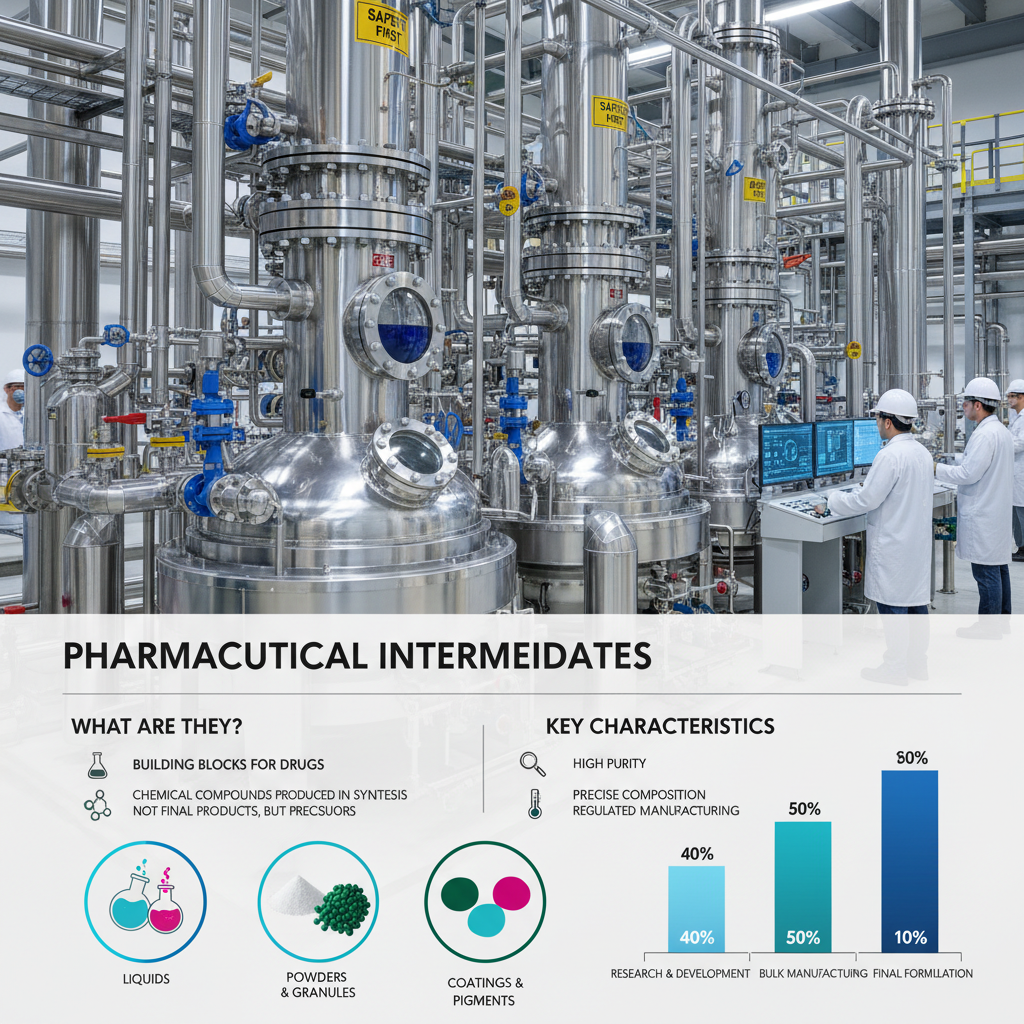
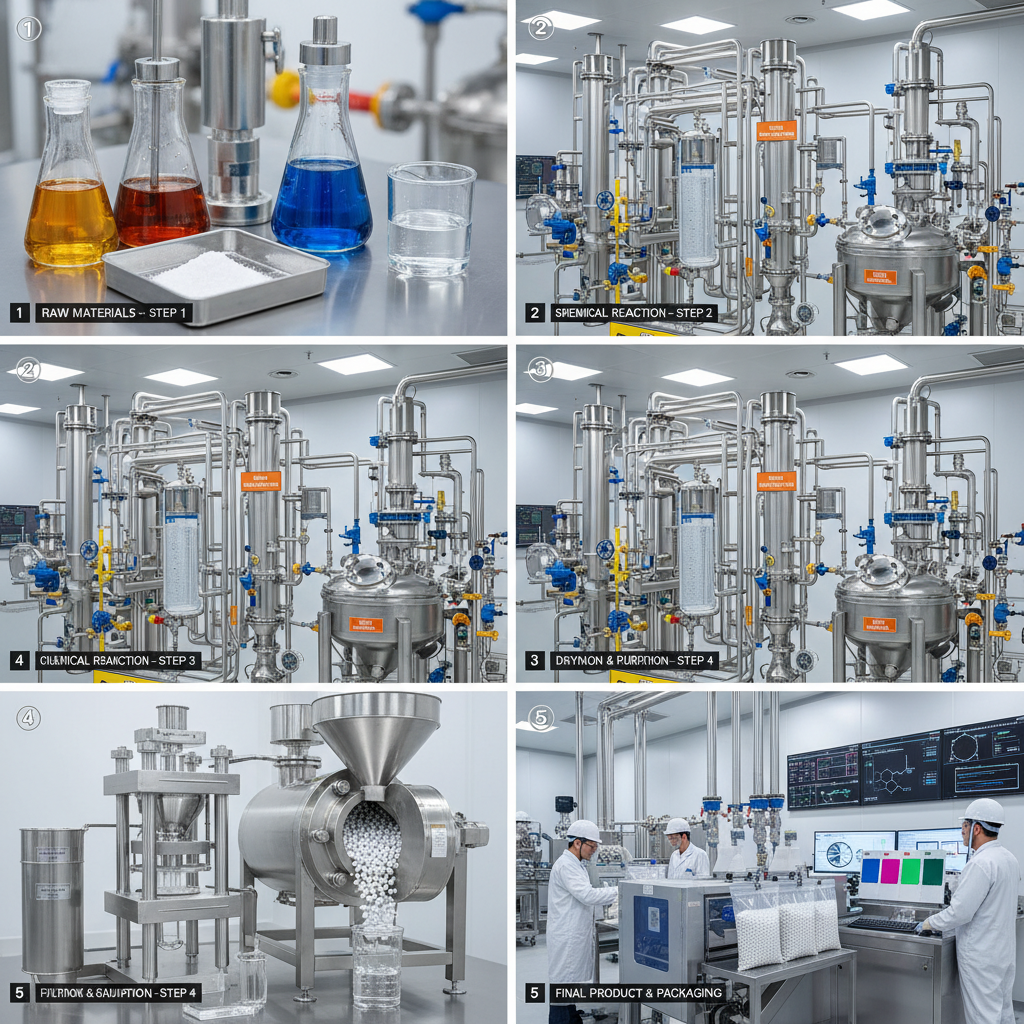
Simply put, pharmaceutical intermediates are compounds formed during the synthesis of an API. They aren't the final drug itself, but rather the necessary stepping stones created through various chemical reactions. Think of them as the individual ingredients in a recipe before the final dish is prepared – each intermediate contributes to the ultimate therapeutic effect of the drug.
The connection to modern industry and humanitarian needs is direct. Without a steady supply of quality intermediates, the production of essential medicines – from antibiotics to cancer treatments – would be severely hampered. Efficient intermediate production helps lower drug costs, making them more accessible to patients in need globally.
Crucially, pharmaceutical intermediates are subject to stringent regulatory oversight, though generally less so than APIs. However, ensuring their purity, stability, and traceability is vital to maintain the safety and efficacy of the final drug product.
Key Factors or Core Components
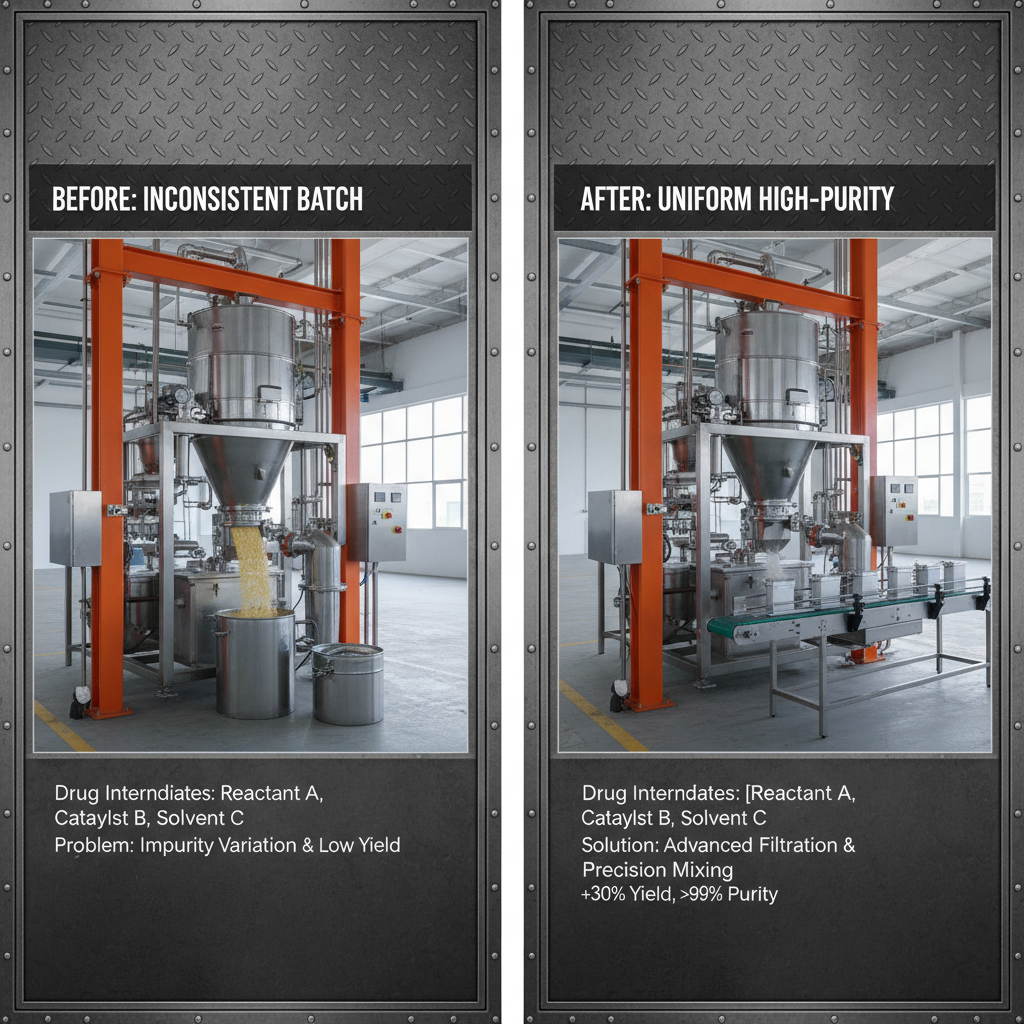
Purity: The purity of pharmaceutical intermediates directly impacts the quality of the final API. Impurities can lead to unwanted side effects or reduce the drug’s effectiveness. Achieving high purity levels often requires sophisticated purification techniques and rigorous analytical testing.
Scalability: The ability to scale up production of an intermediate from laboratory quantities to commercial volumes is critical. This requires careful process optimization, robust engineering, and reliable sourcing of raw materials. Scalability is particularly important for drugs with high demand.
Cost-Effectiveness: Reducing the cost of intermediates is a key driver in lowering overall drug prices. This can be achieved through process innovation, alternative synthetic routes, and efficient supply chain management. Competition among intermediate manufacturers also plays a significant role.
Regulatory Compliance: Intermediates must be manufactured in compliance with Good Manufacturing Practices (GMP) guidelines to ensure quality and consistency. Documentation, validation, and audits are essential components of regulatory compliance.
Stability: Maintaining the chemical stability of intermediates during storage and transportation is crucial. Degradation can lead to the formation of impurities or loss of potency. Proper packaging, temperature control, and storage conditions are essential.
Global Applications & Use Cases
Pharmaceutical intermediates are utilized across a wide spectrum of therapeutic areas, including cardiovascular disease, oncology, infectious diseases, and central nervous system disorders. The specific intermediates required depend on the complexity of the API being synthesized.
Regions like Europe and North America are major consumers of pharmaceutical intermediates, relying heavily on imports from Asia. However, there's a growing trend towards diversifying supply chains and establishing regional manufacturing hubs to enhance resilience. In remote industrial zones of India, specialized intermediate manufacturers cater to global pharmaceutical companies.
In post-disaster relief operations, access to essential medicines relies on the uninterrupted supply of intermediates needed for local production or rapid importation. Similarly, in developing countries with limited pharmaceutical manufacturing infrastructure, the availability of affordable intermediates is vital for ensuring access to essential healthcare.
Rating of Different what are pharmaceutical intermediates Methods
Advantages & Long-Term Value
The use of high-quality pharmaceutical intermediates translates directly into cost savings for pharmaceutical companies, allowing them to offer medications at more affordable prices. This enhanced accessibility is a significant social benefit. Furthermore, optimized intermediate production processes can minimize waste and reduce environmental impact, promoting sustainability.
Beyond financial benefits, investing in reliable intermediate sourcing builds trust between pharmaceutical manufacturers and healthcare providers. Knowing that the ingredients used in medications meet stringent quality standards fosters confidence and strengthens the integrity of the healthcare system. This reliability is also crucial for maintaining public health and preventing drug shortages.
Future Trends & Innovations
Green chemistry principles are increasingly being applied to pharmaceutical intermediate production, focusing on developing more sustainable and environmentally friendly synthetic routes. This includes utilizing renewable raw materials, minimizing waste, and reducing the use of hazardous solvents.
Digital transformation, including the use of artificial intelligence and machine learning, is optimizing process development, quality control, and supply chain management in the intermediate sector. Automation and continuous manufacturing technologies are also gaining traction, leading to increased efficiency and reduced costs.
Challenges & Solutions
A major challenge is the dependence on a limited number of suppliers, particularly in Asia, which creates vulnerability to supply chain disruptions. Diversifying sourcing, establishing regional manufacturing hubs, and investing in domestic production capacity are potential solutions.
Ensuring the authenticity and traceability of intermediates is another critical challenge, as counterfeit or substandard materials can compromise drug quality. Implementing robust tracking systems, utilizing blockchain technology, and strengthening regulatory oversight can help address this issue.
The environmental impact of intermediate production also presents a challenge. Adopting green chemistry principles, investing in waste treatment technologies, and promoting circular economy models are essential for mitigating this impact.
Summary of Key Challenges and Potential Solutions for what are pharmaceutical intermediates
| Challenge |
Impact on what are pharmaceutical intermediates |
Proposed Solution |
Implementation Difficulty (1-10) |
| Supply Chain Concentration |
Vulnerability to disruptions, price fluctuations |
Diversify sourcing, regional manufacturing |
7 |
| Counterfeit Intermediates |
Compromised drug quality, patient safety risks |
Blockchain tracking, regulatory enforcement |
8 |
| Environmental Impact |
Waste generation, hazardous solvent use |
Green chemistry principles, waste treatment |
6 |
| Regulatory Compliance Costs |
Increased production expenses |
Harmonize regulations, streamline audits |
5 |
| Scalability Challenges |
Difficulty meeting increasing demand |
Process optimization, continuous manufacturing |
7 |
| Lack of Transparency |
Difficult to verify origin and quality |
Enhanced data sharing, supply chain mapping |
6 |
FAQS
An API (Active Pharmaceutical Ingredient) is the biologically active component in a drug that produces the intended effects. A pharmaceutical intermediate is a compound synthesized during the multi-step process of making that API. Intermediates are not biologically active themselves; they're precursors transformed into the API through further chemical reactions. Essentially, the intermediate is a building block, while the API is the finished product.
Quality control is absolutely paramount. Even minor impurities in an intermediate can carry through to the final API, potentially impacting its safety, efficacy, and stability. Rigorous testing, adherence to Good Manufacturing Practices (GMP), and detailed documentation are critical throughout the entire intermediate manufacturing process. This ensures that the final drug product meets regulatory standards and protects patient health.
While generally less strict than API regulations, intermediate manufacturing is still subject to significant oversight. Key regulations include ICH Q7 (Good Manufacturing Practice Guide for Active Pharmaceutical Ingredients), which also applies to intermediates. Regional regulations like those from the FDA (US), EMA (Europe), and PMDA (Japan) also influence requirements, emphasizing traceability, quality control, and documentation.
Green chemistry is revolutionizing intermediate production by focusing on sustainability. This involves designing processes that minimize waste, utilize renewable feedstocks, reduce the use of hazardous solvents, and improve energy efficiency. By adopting green chemistry principles, manufacturers can lower their environmental impact, reduce costs, and create more sustainable pharmaceutical supply chains.
Supply chain disruptions, such as those experienced during the COVID-19 pandemic, can severely impact the availability of pharmaceutical intermediates. These disruptions can stem from geopolitical events, natural disasters, or manufacturing bottlenecks. Companies are responding by diversifying their sourcing, building regional manufacturing capacity, and increasing inventory levels to mitigate these risks.
Technology plays a crucial role in optimizing intermediate manufacturing. Automation, continuous manufacturing, and data analytics are improving efficiency, reducing costs, and enhancing quality control. Artificial intelligence (AI) and machine learning (ML) are also being used to predict process outcomes, identify potential problems, and optimize reaction conditions. Digitalization is transforming the entire intermediate lifecycle.
Conclusion
Understanding what are pharmaceutical intermediates is vital for anyone involved in the pharmaceutical industry, from researchers and manufacturers to regulators and healthcare providers. These compounds represent the crucial foundation upon which life-saving medications are built. By prioritizing quality, sustainability, and supply chain resilience, we can ensure a more secure and affordable pharmaceutical future.
As the industry evolves, embracing innovative technologies, adopting green chemistry principles, and fostering greater transparency will be essential. Continued investment in research and development, coupled with proactive risk management, will be key to overcoming the challenges and realizing the full potential of pharmaceutical intermediates. For more information and access to high-quality intermediates, visit our website: www.kxdchem.com.