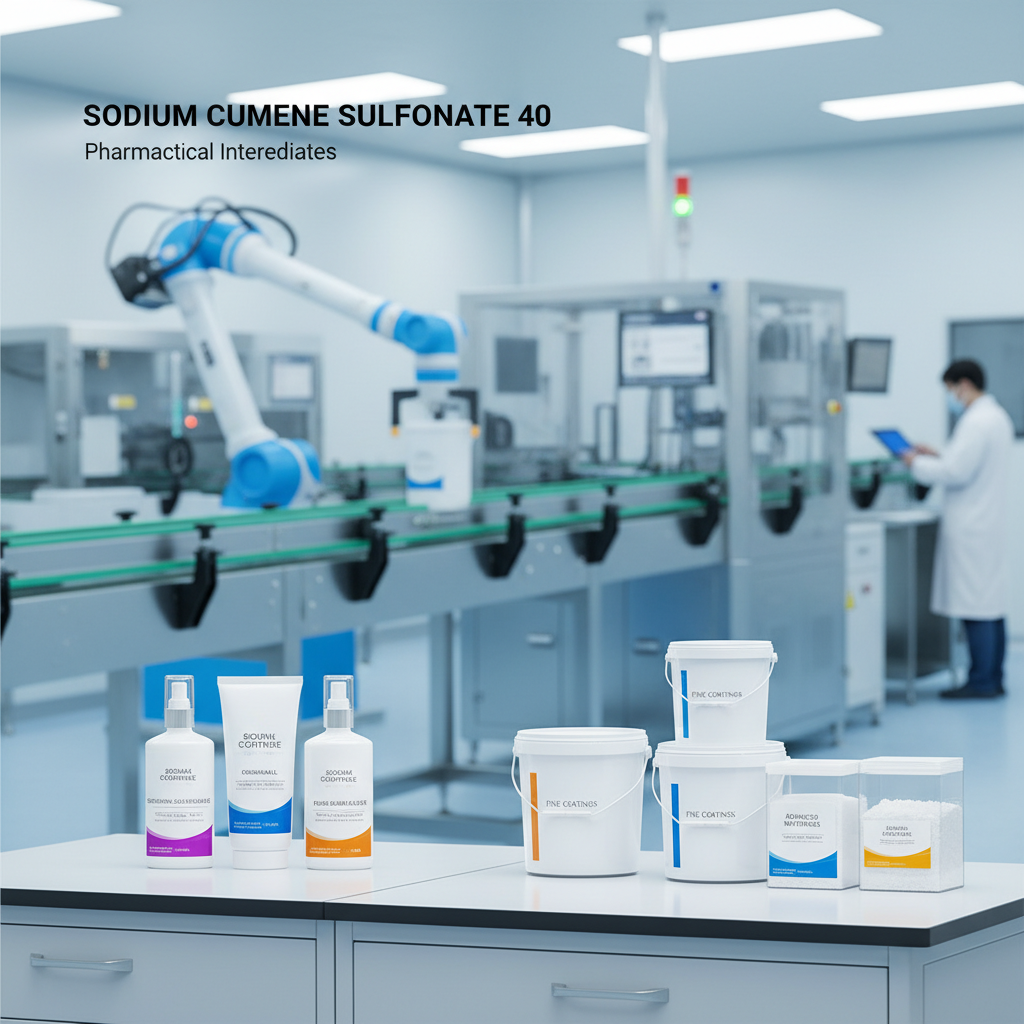
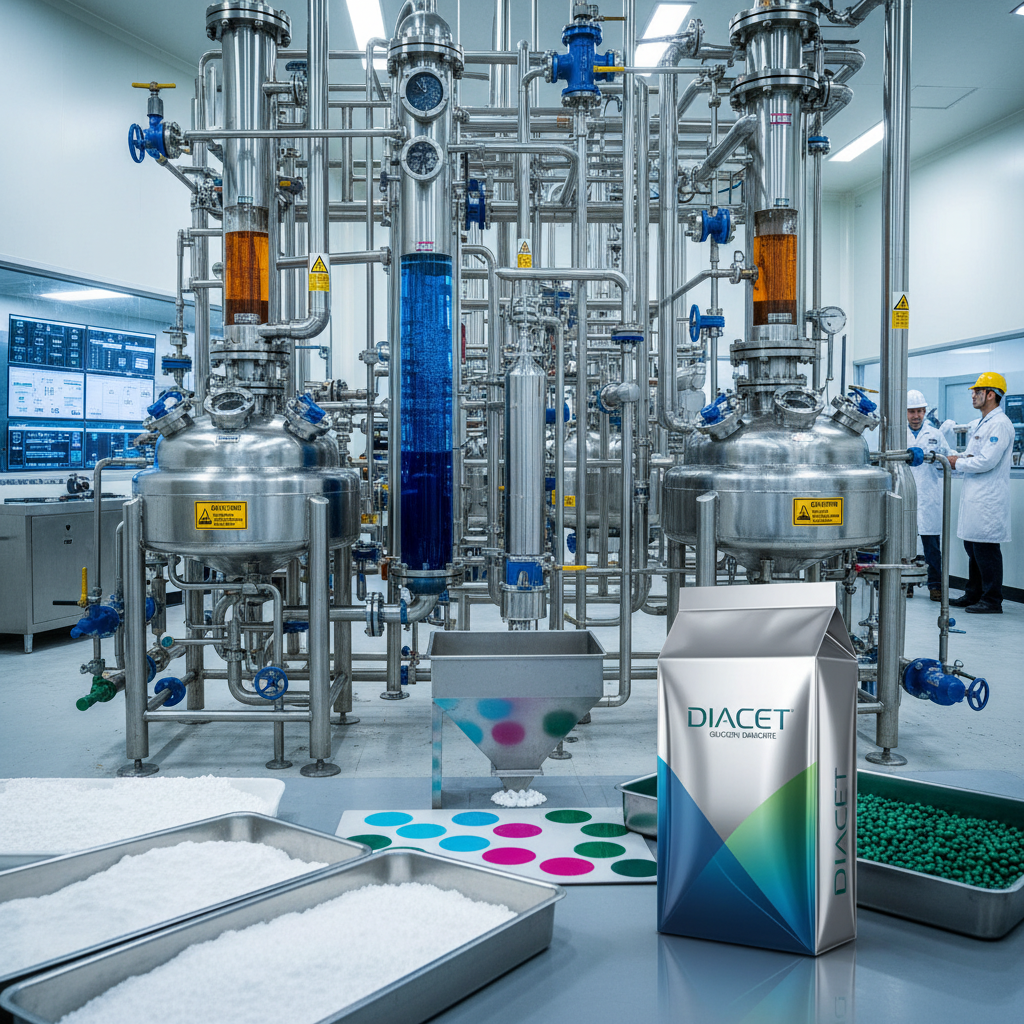
Drug intermediates represent the crucial building blocks in the synthesis of active pharmaceutical ingredients (APIs), the core components of medicines. Understanding their significance is paramount, not only for pharmaceutical companies but also for ensuring global health security and access to affordable healthcare. The efficient production and quality control of drug intermediates directly impact the cost, availability, and safety of life-saving drugs worldwide.
The global market for drug intermediates is experiencing substantial growth, driven by increasing demand for generic drugs, rising healthcare expenditure, and the expansion of the pharmaceutical industry in emerging economies. According to recent reports, the market is projected to reach billions of dollars in the coming years, highlighting the strategic importance of this sector. However, challenges such as stringent regulatory requirements, complex supply chains, and the need for sustainable manufacturing processes demand continuous innovation and collaboration.
Ultimately, a deep understanding of drug intermediates meaning is crucial for optimizing pharmaceutical manufacturing, ensuring drug quality, and improving global health outcomes. It bridges the gap between raw materials and finished pharmaceuticals, forming the backbone of the modern pharmaceutical industry.
Introduction to Drug Intermediates
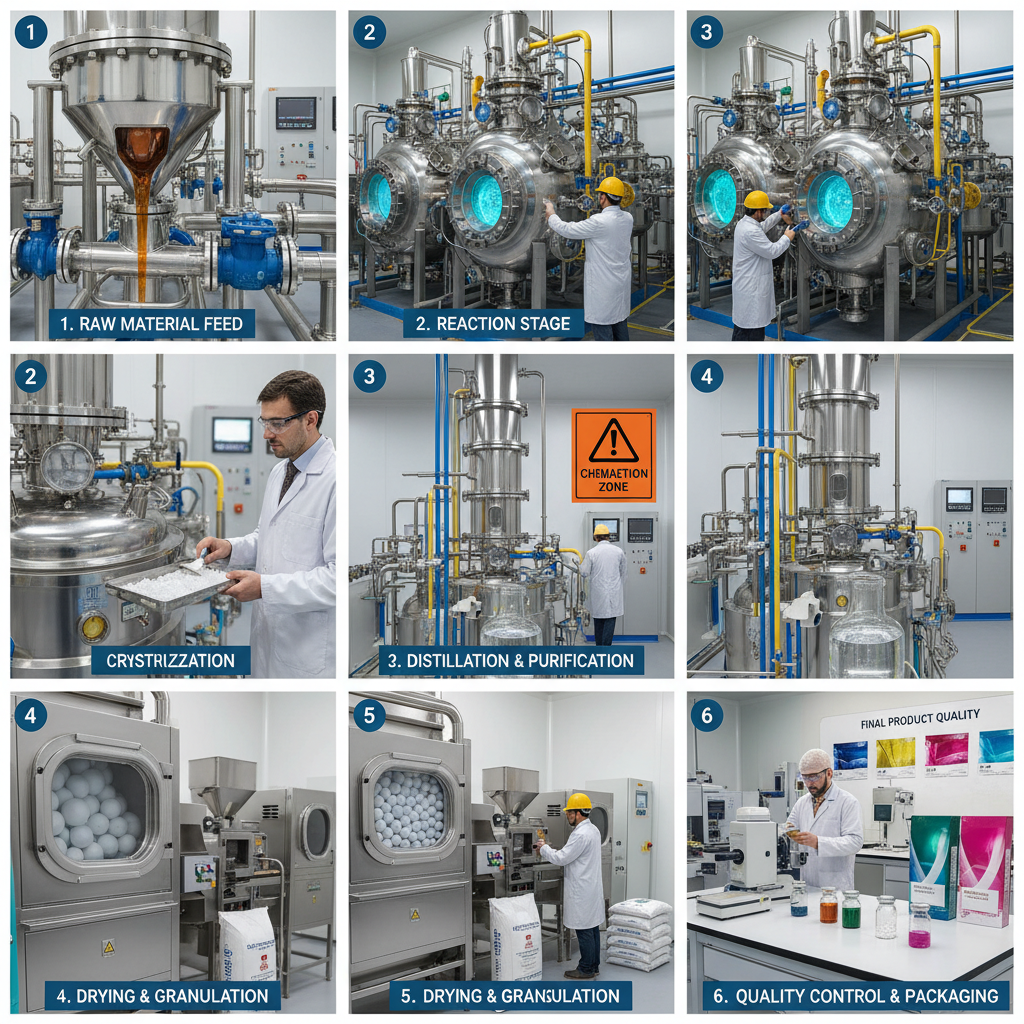
Drug intermediates are not the final pharmaceutical product, but essential compounds formed during the multi-step process of API synthesis. They require meticulous control over reaction conditions, purification techniques, and quality assurance protocols. This complex process ensures that the final API meets stringent regulatory standards for purity, potency, and safety.
The production of these intermediates often involves sophisticated organic chemistry, requiring specialized expertise and equipment. Companies involved in this sector must prioritize process optimization, cost-effectiveness, and environmental responsibility to remain competitive in the global market. The fundamental drug intermediates meaning is a crucial step in the overall drug manufacturing process.
Defining Drug Intermediates Meaning
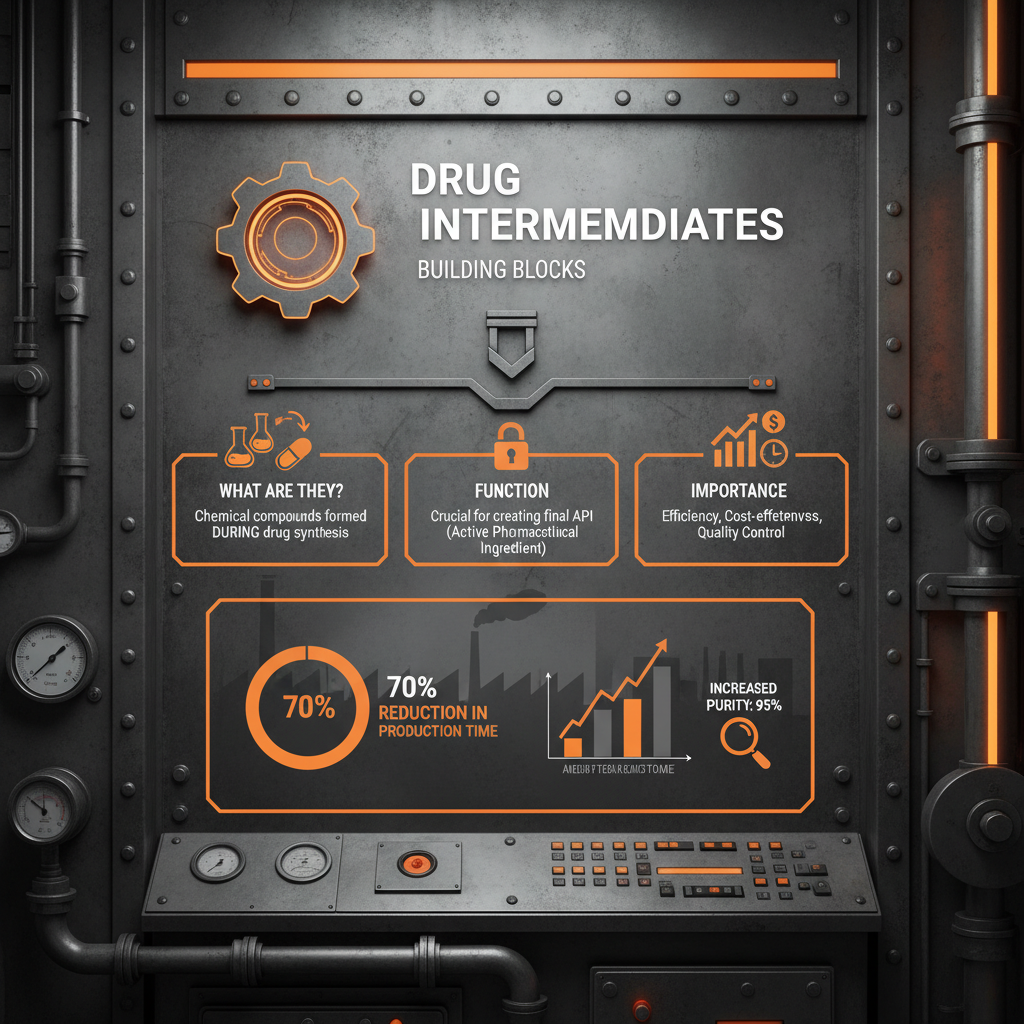
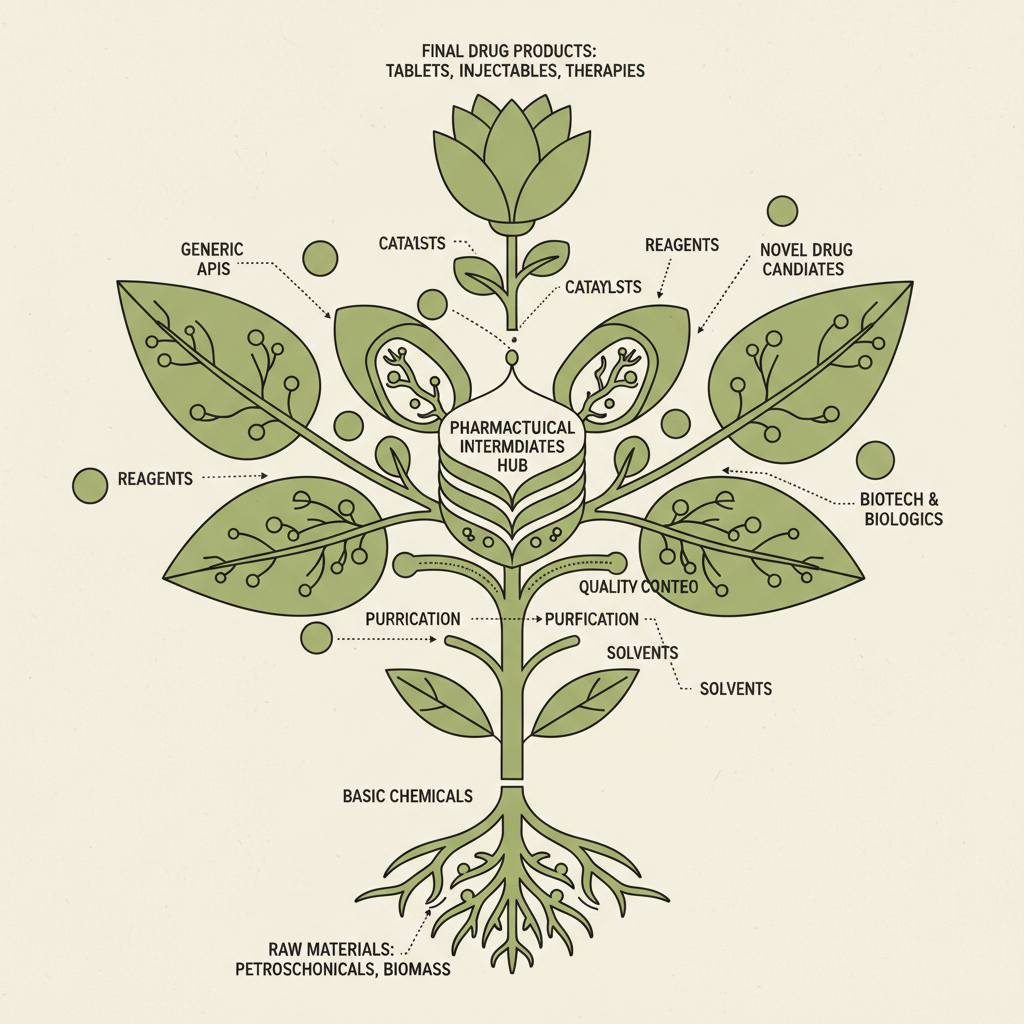
Simply put, drug intermediates are the chemical compounds that are formed during the synthesis of an Active Pharmaceutical Ingredient (API). They aren't the API itself, nor are they the starting raw materials. Think of them as the 'steps' along the path to the finished drug. The drug intermediates meaning is best understood in relation to a complete synthesis pathway.
Their significance lies in enabling the complex chemical transformations necessary to build the API molecule. The quality and purity of these intermediates directly affect the final API’s quality, influencing its efficacy and safety. The pharmaceutical industry’s reliance on these compounds makes them a critical link in the global healthcare supply chain.
This concept is essential to modern medicine and humanitarian needs as it enables the large-scale and cost-effective production of vital medications, addressing critical health challenges worldwide. The production and availability of high-quality drug intermediates have a direct impact on the affordability and accessibility of essential medicines.
Key Factors in Drug Intermediate Production
Several critical factors govern the successful production of drug intermediates. Purity is paramount; intermediates must be free from unwanted by-products and impurities that could compromise the final API quality. Maintaining high purity levels requires advanced analytical techniques and robust purification processes.
Cost-Effectiveness is also vital, especially for generic drug manufacturers. Optimizing reaction conditions, minimizing waste, and sourcing affordable raw materials are crucial for achieving competitive pricing. This often involves process chemistry innovation and efficient supply chain management.
Scalability represents the ability to reliably increase production volumes to meet growing demand. A process that works well in the lab must be adaptable to large-scale manufacturing without sacrificing quality or efficiency. This requires thorough process validation and engineering considerations. Furthermore, Regulatory Compliance is non-negotiable, demanding adherence to stringent guidelines from authorities like the FDA and EMA. Finally, Sustainability is increasingly important, with a focus on environmentally friendly practices and waste reduction.
Global Applications and Use Cases
Drug intermediates are utilized globally in the production of a vast array of pharmaceuticals, spanning therapeutic areas from cardiovascular diseases to infectious diseases and oncology. Major pharmaceutical manufacturing hubs, such as India and China, are significant consumers and producers of these crucial compounds.
In developed nations, companies focus heavily on research & development and the production of complex, high-value intermediates. In emerging economies, the emphasis is often on cost-competitive manufacturing of generic drug intermediates.
International organizations, like the World Health Organization (WHO), depend on reliable sources of high-quality drug intermediates to ensure access to essential medicines in resource-limited settings. For example, in post-disaster relief operations, the swift delivery of essential drugs necessitates a readily available supply of pre-manufactured intermediates to accelerate API production.
Drug Intermediate Production Efficiency by Method
Advantages and Long-Term Value
The advantages of a robust drug intermediate supply chain are numerous. Cost savings, driven by efficient manufacturing and sourcing, are significant. Furthermore, a reliable supply ensures uninterrupted API production, minimizing the risk of drug shortages and enhancing patient access to critical medications.
Long-term value extends beyond economic benefits. Sustainable manufacturing practices, reducing environmental impact, contribute to corporate social responsibility. Improved drug quality and safety enhance patient trust and foster innovation in pharmaceutical development. This impacts everything from a patient's health to the overall sustainability of the industry.
Future Trends and Innovations
The future of drug intermediate production is being shaped by several key trends. Green chemistry principles, focused on minimizing waste and utilizing renewable resources, are gaining traction. Continuous manufacturing technologies, offering increased efficiency and reduced costs, are also being widely adopted.
Digital transformation, including the use of artificial intelligence and machine learning, is poised to revolutionize process optimization and quality control. Moreover, advancements in biocatalysis and flow chemistry promise more sustainable and efficient routes for synthesizing complex intermediates.
Challenges and Solutions in Drug Intermediate Supply
Despite progress, challenges remain. Supply chain disruptions, geopolitical instability, and stringent regulatory scrutiny can all hinder the smooth flow of drug intermediates. Ensuring traceability and security throughout the supply chain is also a critical concern.
Solutions include diversifying sourcing options, building strategic partnerships, and investing in advanced tracking technologies. Furthermore, promoting collaboration between manufacturers, regulators, and researchers can foster innovation and address emerging challenges proactively. Implementing robust quality management systems and embracing digital technologies can also mitigate risks and improve supply chain resilience.
Addressing these challenges is essential to ensure the continued availability of affordable and high-quality medicines worldwide. A proactive approach to risk management and a commitment to sustainable practices will be critical in navigating the evolving landscape of drug intermediate supply.
Summary of Key Challenges and Mitigation Strategies
| Challenge |
Impact on Drug Intermediate Supply |
Mitigation Strategy |
Implementation Difficulty (1-10) |
| Supply Chain Disruptions |
Delays, increased costs, potential shortages |
Diversify sourcing, build strategic reserves |
6 |
| Regulatory Complexity |
Increased compliance costs, longer approval timelines |
Invest in robust quality management systems, stay updated on regulations |
8 |
| Geopolitical Instability |
Disruptions to raw material supply, trade barriers |
Develop alternative sourcing locations, build strong relationships with suppliers |
7 |
| Counterfeit Intermediates |
Compromised API quality, patient safety risks |
Implement robust traceability systems, conduct thorough supplier audits |
9 |
| Lack of Transparency |
Difficulty identifying risks, hindering supply chain resilience |
Adopt blockchain technology, implement end-to-end visibility solutions |
5 |
| Environmental Concerns |
Increased regulatory pressure, negative public perception |
Implement green chemistry principles, invest in sustainable manufacturing processes |
7 |
FAQS
Drug intermediates are chemical compounds formed during the synthesis of the Active Pharmaceutical Ingredient (API), directly contributing to its molecular structure. Excipients, however, are inactive substances added to the final drug formulation to aid in administration, absorption, or stability, but are not part of the API's chemical structure. Understanding this distinction is vital for quality control and regulatory compliance in pharmaceutical manufacturing.
The FDA doesn't directly approve drug intermediates, but they do scrutinize their quality through inspections of manufacturing facilities and by requiring manufacturers to demonstrate control over the entire manufacturing process, including the intermediates. This is typically achieved through adherence to Good Manufacturing Practices (GMP) and comprehensive documentation, ensuring intermediates meet pre-defined specifications for purity, identity, and safety. The focus is on ensuring the final API is safe and effective.
Common challenges include geopolitical instability in sourcing regions, potential supply chain disruptions, and the risk of counterfeit or substandard materials. Additionally, maintaining consistent quality across different suppliers and ensuring compliance with evolving regulatory requirements can be difficult. Proactive sourcing strategies, supplier audits, and robust quality control measures are essential to mitigate these risks.
Green chemistry principles aim to minimize the environmental impact of chemical processes. In drug intermediate production, this translates to using safer solvents, reducing waste generation, employing renewable feedstocks, and designing more efficient synthetic routes. Adopting these practices not only benefits the environment but also can lead to cost savings and improved process safety.
Process Analytical Technology (PAT) involves using real-time measurements to monitor and control critical process parameters during drug intermediate manufacturing. This allows for faster identification and correction of deviations, leading to improved product quality, reduced waste, and increased process efficiency. PAT tools often include spectroscopic techniques and automated control systems.
Key Starting Materials (KSMs) are the raw materials used to begin the synthesis of a drug intermediate or the API itself. They are typically commercially available compounds. Drug intermediates are created from these KSMs through a series of chemical reactions. KSMs are defined by regulatory guidelines and serve as the initial building blocks for the entire synthetic pathway, while intermediates represent the stages in between.
Conclusion
In summary, understanding drug intermediates meaning is fundamental to the entire pharmaceutical industry. They represent the critical building blocks of modern medicines, influencing cost, quality, and accessibility. A robust and sustainable supply chain for these compounds is paramount to ensuring global health security and continued innovation in drug development.
Looking ahead, embracing green chemistry principles, investing in advanced technologies like PAT and continuous manufacturing, and fostering collaboration across the supply chain will be vital for addressing the challenges and unlocking the full potential of drug intermediate production. Visit our website at www.kxdchem.com to learn more about our services and expertise in this vital field.